
Collagen is the most abundant protein in the human body, forming the structural scaffold of skin, joints, tendons, and bones. After age 25, natural collagen production declines by roughly 1% each year. Choosing the right foods slows this decline and supports the body’s ability to rebuild collagen from the inside out.
Bone broth and fish skin deliver direct collagen peptides. Vitamin C from bell peppers activates the enzymes that build collagen fibers. Zinc from oysters supports the repair cycle in joints. Type I collagen from marine sources improves skin elasticity. Type II from chicken cartilage reduces joint pain in clinical trials lasting 6 to 24 weeks.
Lifestyle factors shape how fast collagen breaks down. UV radiation, smoking, and excess sugar accelerate collagen degradation faster than diet alone can compensate. This guide covers the best collagen-rich foods, the nutrients that support synthesis, and the habits that protect what the body builds.
What Are Collagen-Rich Foods?
Collagen-rich foods are the primary dietary sources of the body’s most abundant structural protein. Collagen accounts for approximately 30% of total body protein mass. These foods divide into two categories: direct sources from animal connective tissue and skin, and precursor-rich foods that supply the nutrients needed for the body to synthesize collagen on its own.
Collagen forms the scaffolding that holds skin, bones, tendons, and cartilage together. The body builds collagen from three key amino acids: glycine, proline, and hydroxyproline. Animal connective tissue is the richest dietary source of all three. Plant foods cannot provide collagen directly but supply cofactors that trigger the body’s own production.
Not all dietary collagen survives digestion intact. The digestive system breaks collagen proteins into peptides and free amino acids. These smaller units enter the bloodstream and travel to tissues where collagen synthesis occurs. Hydrolyzed collagen peptides from food have an absorption rate of approximately 90% within 6 hours of ingestion according to research from Nippon Suisan Kaisha.
Why Does Collagen Matter for the Body?
Collagen supports the structural integrity of every connective tissue in the body. It acts as the primary load-bearing component in tendons, ligaments, and cartilage. Skin firmness, joint cushioning, and bone density all depend on adequate collagen levels. Three collagen types drive most of these functions: Type I in skin and bone, Type II in cartilage, and Type III in blood vessels and skin.
Type I collagen is the most abundant form in the body. It forms thick fiber bundles that give tendons the tensile strength to handle substantial mechanical loads. Bone matrix is approximately 90% Type I collagen by dry weight. Without it, bones become brittle even when calcium levels are adequate.
Type II collagen keeps joints functional under compression. Cartilage contains no blood vessels. It relies entirely on the mechanical pumping of synovial fluid for nutrients. When Type II collagen breaks down, cartilage loses its sponge-like ability to absorb impact. Joint pain and stiffness follow.
When Do Collagen Levels Start to Drop?
Collagen production begins declining at approximately 1% per year after age 25. By age 40, the body produces significantly less collagen than it breaks down each day. By 60, visible changes are widespread. Skin thins, wrinkles deepen, joints ache, and tendons become less flexible. Diet directly influences how quickly this decline accelerates.
Women experience a sharper collagen decline after menopause. Estrogen plays a direct role in regulating collagen synthesis. In the first 5 years after menopause, women lose up to 30% of skin collagen. Supporting dietary collagen intake during this period is especially important for skin thickness, bone density, and joint health.
Chronic stress accelerates collagen breakdown through elevated cortisol. Cortisol suppresses fibroblast activity, which is the cellular mechanism responsible for collagen synthesis. Poor sleep compounds this effect. The body produces most of its growth hormone during deep sleep stages, and growth hormone signals fibroblasts to increase collagen output.
Our Top Pick
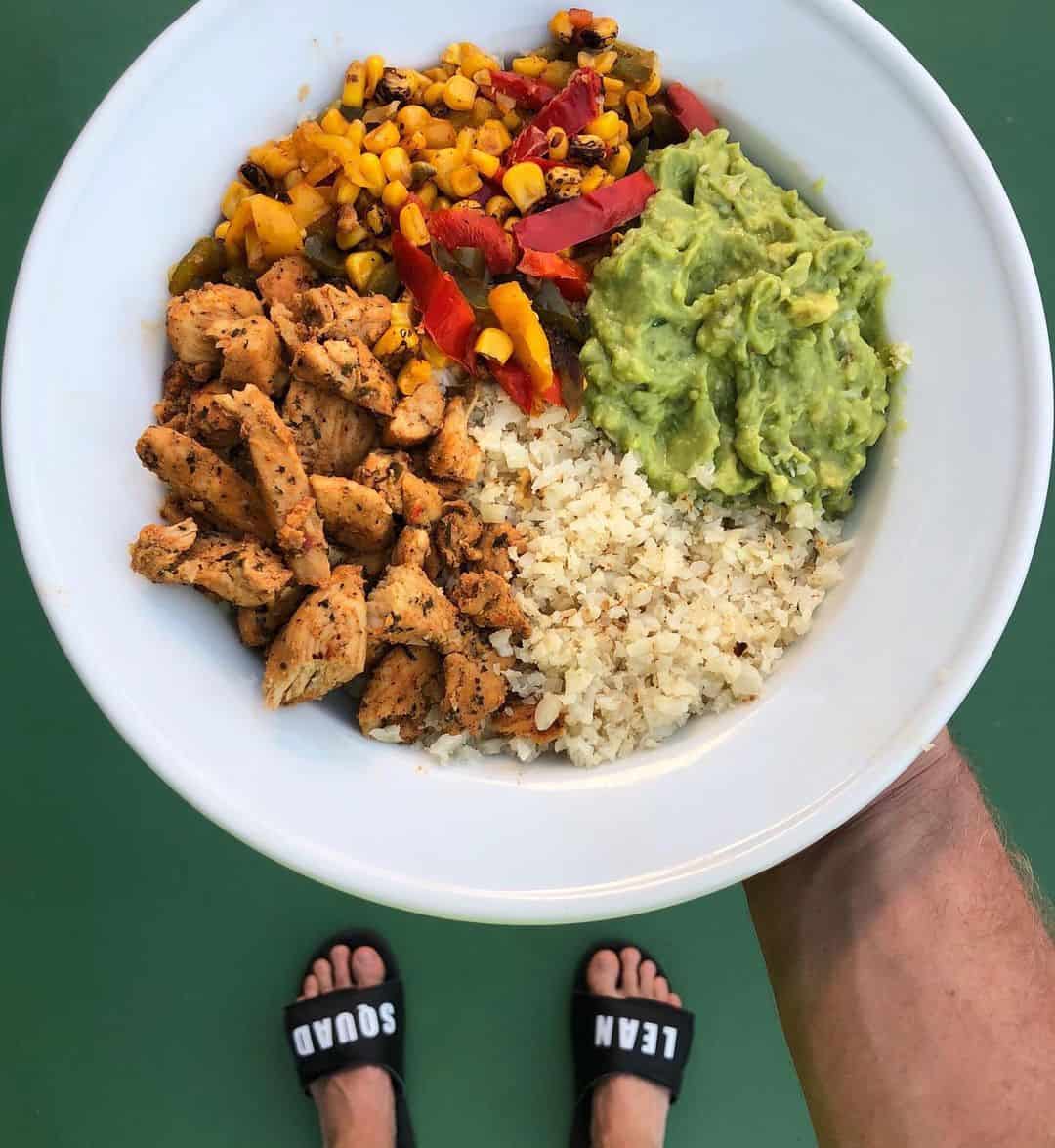
Clean Eatz Kitchen Weight Loss Meal Plan
Chef-prepared, portion-controlled meals designed for real weight loss results. No cooking required. No calorie counting. Just fresh food that works.
View on AmazonWhich Foods Are Highest in Collagen?
Bone broth, chicken skin, and fish skin are among the highest-collagen foods available in a typical diet. These foods contain collagen in its natural protein form, extracted directly from connective tissue and skin. Marine collagen from fish scales and skin has the smallest peptide size, which improves bioavailability compared to bovine sources. A single cup (240 ml) of homemade bone broth typically delivers 6 to 12 grams of protein, including significant collagen peptides.
Pork skin and pork rinds are among the most concentrated natural collagen sources by weight. Beef tendon and tripe also deliver high levels. Chicken feet, a traditional ingredient in East Asian cooking, are particularly rich in Type II collagen. Egg whites provide glycine and proline, two amino acids essential for collagen formation, though they contain no collagen directly.
Marine collagen from fish and shellfish offers a distinct advantage in bioavailability. Fish skin and scales are 70 to 80% collagen by dry weight. The peptides are smaller than bovine collagen peptides. Smaller peptides cross the intestinal wall more efficiently. Studies show marine collagen peptides reach peak plasma concentration faster than bovine alternatives.
Does Bone Broth Really Boost Collagen?
Yes. Bone broth is a genuine source of collagen peptides and collagen-building amino acids. Long-simmered bones release gelatin, which is partially denatured collagen. This gelatin dissolves into the broth and delivers glycine, proline, and hydroxyproline in high concentrations. A 2019 study in the International Journal of Sport Nutrition and Exercise Metabolism found that consuming collagen-rich gelatin before exercise increased collagen synthesis markers in tendons by 17%.
The collagen content of bone broth varies significantly by preparation method. Simmering chicken or beef bones for 12 to 24 hours at 85 to 95 degrees Celsius (185 to 203 degrees Fahrenheit) maximizes gelatin extraction. Adding an acid such as apple cider vinegar helps break down the bone matrix and releases more minerals and proteins. A few tablespoons are sufficient.
Commercial bone broths deliver inconsistent collagen content. Many store-bought versions contain less than 2 grams of collagen per serving. Homemade broth from high-collagen cuts such as chicken feet, knuckle bones, or oxtail consistently outperforms commercial options. The broth should gel when refrigerated. A solid gel texture is a reliable indicator of high collagen content.
What Animal Foods Are Rich in Collagen?
Chicken, fish, beef, and pork all provide substantial dietary collagen when prepared from collagen-dense cuts. The collagen content depends heavily on the specific cut or part used. Standard muscle meat contains little collagen. Connective tissue, skin, cartilage, and bone are the parts that deliver meaningful amounts. Traditional cooking methods such as slow braising and stewing are specifically designed to extract collagen from these cuts.
Collagen-Rich Animal Foods:
- Chicken feet and wings (Type II collagen)
- Fish skin and fish scales (marine collagen, Type I)
- Beef tendon and knuckle bones
- Pork skin and pork rinds
- Egg whites (collagen amino acid precursors)
- Oysters and shellfish (collagen and zinc)
Sardines and mackerel eaten with their bones deliver additional benefits. Edible fish bones provide calcium alongside collagen peptides. Salmon skin is a practical marine collagen source. A 100-gram (3.5-ounce) serving of salmon with skin delivers Type I marine collagen alongside omega-3 fatty acids that reduce collagen-damaging inflammation.
What Foods Help the Body Produce More Collagen?
Vitamin C, zinc, and copper are the three most critical nutrients for the body’s collagen synthesis pathway. Without adequate vitamin C, the enzyme prolyl hydroxylase cannot function. This enzyme converts proline into hydroxyproline, a step required to stabilize the collagen triple helix structure. Without this step, the body cannot form stable collagen. Scurvy is the most extreme example of collagen failure caused by vitamin C deficiency.
Glycine is the most abundant amino acid in collagen. The body synthesizes some glycine internally, but dietary intake from animal products supplements this supply. Proline comes primarily from meat, dairy, and eggs. Both amino acids become conditionally essential during high collagen turnover, such as after injury, surgery, or intense physical training.
Antioxidant-rich foods protect existing collagen from oxidative damage. Free radicals generated by UV exposure, pollution, and metabolic processes degrade collagen fibers over time. Foods high in vitamins A, C, and E, along with polyphenols from berries and green tea, neutralize these free radicals. This protective function is separate from collagen synthesis but equally important for maintaining collagen density long-term.
How Does Vitamin C Support Collagen Production?
Vitamin C is an irreplaceable cofactor in the collagen synthesis enzyme pathway. Two enzymes, prolyl hydroxylase and lysyl hydroxylase, require vitamin C to function. These enzymes hydroxylate specific amino acid residues in the collagen protein chain. This hydroxylation creates cross-links between collagen fibers, giving the final structure mechanical stability. Without these cross-links, collagen fibers remain weak and fragile.
The richest food sources of vitamin C include bell peppers, citrus fruits, kiwi, strawberries, and broccoli. A single red bell pepper provides approximately 190 milligrams (mg) of vitamin C. That amount exceeds the recommended daily intake of 75 to 90 mg for adults. Papaya, guava, and blackcurrants are even more concentrated sources per 100-gram (3.5-ounce) serving.
Cooking destroys a significant portion of dietary vitamin C. Boiling vegetables reduces vitamin C content by up to 50%. Steaming or eating vitamin C-rich foods raw preserves more of the nutrient. Consuming vitamin C alongside collagen-rich foods in the same meal is the most efficient strategy. This co-ingestion timing aligns with the body’s active collagen synthesis window.
Which Minerals Help Build Collagen?
Zinc and copper are essential mineral cofactors in the enzymes that assemble and stabilize collagen fibers. Zinc activates collagenase enzymes that remodel collagen during tissue repair. Copper is required by lysyl oxidase, the enzyme that cross-links collagen and elastin fibers. Without copper, cross-linking fails and connective tissue becomes structurally weak. Both minerals work together in the collagen matrix.
Best Food Sources of Collagen-Supporting Minerals:
| Mineral | Top Food Sources | Amount per Serving |
|---|---|---|
| Zinc | Oysters (6 medium) | 32 mg (4x RDA) |
| Zinc | Beef (85g / 3oz) | 5.3 mg |
| Zinc | Pumpkin seeds (28g / 1oz) | 2.2 mg |
| Copper | Beef liver (85g / 3oz) | 14 mg (15x RDA) |
| Copper | Cashews (28g / 1oz) | 0.6 mg |
| Copper | Crab (85g / 3oz) | 0.6 mg |
Zinc deficiency is among the most common mineral deficiencies worldwide. The body does not store zinc reserves. Daily intake from food is necessary for continuous collagen matrix repair. Vegetarians face higher risk of deficiency because plant zinc is bound to phytates, which reduce absorption. Soaking legumes before cooking reduces phytate content and improves zinc bioavailability meaningfully.
What Are the Benefits of Eating Collagen-Rich Foods?
Eating collagen-rich foods delivers measurable improvements to skin elasticity, joint function, and bone density. These benefits emerge from consistent dietary collagen intake over weeks to months. Clinical studies use hydrolyzed collagen at doses of 2.5 to 10 grams per day. Food-based collagen achieves comparable amino acid delivery when consumed regularly from high-collagen sources. The body allocates collagen amino acids based on tissue demand and activity level.
Bone density responds to collagen-rich diets over longer timeframes than skin or joints. Bone collagen forms the organic matrix that calcium and phosphate bind to. Low collagen density makes bones brittle even when mineral content is adequate. This is why osteoporotic fractures occur even in people with normal calcium intake. Supporting the collagen scaffold is as important as supplying calcium.
Gut health is an emerging area of collagen research. The intestinal lining contains Type IV collagen, which forms the basement membrane of the gut wall. Collagen peptides may support the integrity of this barrier. A compromised gut barrier allows bacterial fragments to enter the bloodstream. Early research suggests dietary collagen supports tight junction proteins in the gut lining.
Can Collagen-Rich Foods Improve Skin?
Yes. Collagen-rich foods do improve skin hydration, elasticity, and wrinkle depth when consumed consistently. A 2019 meta-analysis in the Journal of Drugs in Dermatology reviewed 11 randomized controlled trials. Eight weeks of collagen intake at 2.5 to 10 grams per day produced statistically significant improvements in skin elasticity, hydration, and collagen density compared to placebo. Food-based collagen delivers the same amino acid building blocks as supplements.
Skin fibroblasts are the cells responsible for producing new collagen. Dietary collagen peptides act as signaling molecules for fibroblasts. When collagen peptides appear in the bloodstream after digestion, fibroblasts detect them as a sign of collagen breakdown and increase collagen production. This feedback mechanism is one way dietary collagen stimulates the skin’s own repair process.
Marine collagen from fish shows particularly strong skin benefits in clinical research. A 2021 study in Nutrients found that 10 grams of marine collagen per day for 12 weeks improved skin hydration by 28% and reduced wrinkle depth by 13%. The small peptide size of marine collagen may explain the faster skin response compared to bovine sources. Salmon skin, sea bass, and tilapia skin are practical food sources.
Do Collagen-Rich Foods Help with Joint Pain?
Yes. Collagen-rich foods reduce joint pain and stiffness by supporting cartilage repair and lowering joint inflammation. A 2008 study published in Current Medical Research and Opinion followed 97 athletes consuming 10 grams of collagen hydrolysate daily for 24 weeks. Joint pain scores decreased by 43% in the collagen group compared to 28% in the placebo group. Knee, hip, and ankle joints all showed improvement. Dietary collagen from bone broth and connective tissue delivers equivalent amino acids.
Type II collagen is the structural protein in cartilage. The body cannot repair cartilage without adequate Type II collagen substrates. Chicken cartilage is one of the best dietary sources of Type II collagen. Chicken breast skin and knuckle cartilage contain meaningful concentrations. Slow-cooked chicken soups and stews extract Type II collagen from these parts effectively.
Gelatin, the cooked form of collagen, shows joint benefits in exercise physiology research. A 2017 study in the American Journal of Clinical Nutrition found that 15 grams of gelatin consumed with vitamin C before exercise increased collagen synthesis in tendons by 17%. The authors recommended taking this combination 1 hour before activity for maximum effect. Homemade bone broth consumed before workouts replicates this protocol. For those also following a structured weight loss program, collagen-rich foods support lean muscle preservation during caloric restriction.
What Lifestyle Habits Protect Collagen Levels?
Sleep, stress management, and sun protection are the three most impactful lifestyle habits for preserving collagen. During deep sleep, the body releases growth hormone. Growth hormone directly stimulates fibroblasts to synthesize new collagen. Adults who sleep fewer than 6 hours per night show measurably lower skin collagen density than those sleeping 8 hours. Sleep quality matters as much as duration for collagen production.
Regular low-intensity exercise promotes collagen synthesis in tendons and ligaments. Mechanical loading of connective tissue signals fibroblasts to upregulate collagen production. Walking, swimming, and cycling all provide this stimulus. High-intensity training without adequate recovery reverses this benefit. Overtraining elevates cortisol, which suppresses fibroblast activity and slows collagen renewal.
Hydration supports the structural properties of collagen in skin and joints. Collagen fibers swell when hydrated. This turgidity gives skin its plump appearance. Dehydration causes collagen networks to contract and lose volume. Eight to ten glasses (2 to 2.5 liters) of water daily maintain optimal tissue hydration for collagen function.
What Damages Collagen in the Body?
UV radiation, excess sugar, smoking, and alcohol are the four most destructive factors for the body’s collagen supply. UV radiation from sunlight activates matrix metalloproteinases (MMPs), enzymes that degrade skin collagen. Even 10 to 15 minutes of unprotected UV exposure significantly increases MMP activity. Daily SPF 30 sunscreen reduces UV-induced collagen breakdown by up to 60% compared to unprotected skin.
Excess sugar damages collagen through glycation. Glucose and fructose molecules bond to collagen proteins in a process called advanced glycation end-product (AGE) formation. Glycated collagen is stiffer and less functional than healthy collagen. It breaks down faster. High-sugar diets rich in refined carbohydrates and fructose accelerate this process across all collagen-containing tissues.
Smoking reduces skin collagen by up to 40% compared to non-smokers. Nicotine constricts blood vessels in the skin, reducing oxygen and nutrient delivery to fibroblasts. The toxins in cigarette smoke directly damage collagen fibers through oxidative stress. Smokers show an average of 10 additional years of skin aging compared to non-smokers of the same age. Quitting allows skin fibroblasts to recover partial collagen synthesis capacity within months.
Want Your Free Collagen Nutrition Plan from Our OPTAVIA Coaches?
You have the science. Now you need the plan. Our Independent OPTAVIA Coaches at Optimal Weight Plan put together a step-by-step collagen nutrition guide built on exactly this research. It tells you which foods to prioritize, how to pair vitamin C with collagen sources, and which daily habits protect the collagen you build. It’s free and built around your specific goals.
The coaches at Optimal Weight Plan work with hundreds of people every month on targeted nutrition strategies. They know which collagen approaches work fastest and which mistakes most people make. A free collagen plan from our team maps this research directly to your daily meals, your schedule, and your body’s specific needs. That’s the difference between knowing the facts and actually using them.
Getting started takes 2 minutes. Our Independent OPTAVIA Coaches review your goals and send a tailored collagen nutrition roadmap to your inbox. No supplements required. Just real food strategies backed by the science you just read. Tap the link, tell our coaches at Optimal Weight Plan what you’re working toward, and get your free action plan today.
Our Top Pick
Clean Eatz Kitchen Weight Loss Meal Plan
Chef-prepared, portion-controlled meals designed for real weight loss results. No cooking required. No calorie counting. Just fresh food that works.
View on Amazon