Coke Zero and Diet Coke are the two most popular sugar-free colas on the market. Both deliver zero calories and zero sugar, but they differ in sweetener blend, taste, and ingredient composition. For anyone managing weight or dietary goals, understanding those differences helps make a smarter choice.
Coke Zero uses aspartame and acesulfame potassium to replicate original Coca-Cola flavor. Diet Coke relies on aspartame alone and delivers a lighter, more citrusy taste. Caffeine content differs too. Diet Coke contains 46 mg per 12-ounce can. Coke Zero contains 34 mg. Research into their sweeteners and long-term health effects continues to evolve.
This guide covers ingredient differences, taste profiles, health effects, and weight loss implications of both drinks. It also addresses who should avoid them entirely and which choice better fits specific dietary goals. The science on both is clearer than the marketing suggests.
What Is the Difference Between Coke Zero and Diet Coke?
Coke Zero and Diet Coke are both sugar-free, calorie-free cola beverages made by the Coca-Cola Company. The core difference is flavor intent and sweetener formula. Coke Zero is engineered to replicate the taste of original Coca-Cola. Diet Coke delivers a lighter, more citrusy profile. It was developed in 1982 as its own distinct product, not a diet version of regular Coke.
Diet Coke launched in summer 1982. It became the first major diet soda to succeed without reminding drinkers it was low-calorie. Coke Zero arrived in 2005, built specifically to match the taste of full-sugar Coca-Cola while keeping calories at zero. The two drinks serve different flavor preferences despite sharing the same category.
Coca-Cola confirms the intent directly. The company states that Coca-Cola Zero Sugar ‘looks and tastes more like Coca-Cola original taste.’ Diet Coke, by contrast, uses ‘a different blend of flavours which gives it a lighter taste.’ Both come in caffeine-free versions for drinkers watching their stimulant intake.
Do Coke Zero and Diet Coke Have the Same Ingredients?
Coke Zero and Diet Coke share most base ingredients but differ in two key additives. Both contain carbonated water, caramel color, phosphoric acid, potassium benzoate, aspartame, natural flavors, and caffeine. The differences lie in sweetener combination and acid type. Those two differences account for the distinct taste profiles between the drinks.
Coke Zero contains two ingredients Diet Coke does not: potassium citrate and acesulfame potassium. Potassium citrate adjusts acidity. Acesulfame potassium, known as Ace-K, adds sweetness and smooths out the flavor to bring it closer to regular Coca-Cola. Ace-K is roughly 200 times sweeter than sugar.
Diet Coke contains one ingredient absent from Coke Zero: citric acid. Citric acid contributes the lighter, slightly tart character that defines Diet Coke’s taste. Both drinks use aspartame as their primary sweetener. Coke Zero adds Ace-K on top. That combination gives Coke Zero a fuller, sweeter finish.
Ingredient Differences at a Glance:
- Shared: carbonated water, caramel color, phosphoric acid, potassium benzoate, aspartame, natural flavors, caffeine
- Coke Zero only: acesulfame potassium (Ace-K), potassium citrate
- Diet Coke only: citric acid
Both formulas are built from FDA-approved ingredients. The small differences produce a large difference in taste experience for most drinkers.
How Do the Nutrition Facts Compare?
Coke Zero and Diet Coke are nearly identical from a macronutrient standpoint. A 12-ounce (355 ml) serving of either drink contains zero calories, zero grams of sugar, and zero grams of fat. Neither provides meaningful vitamins or minerals. From a pure calorie perspective, choosing between them makes no difference to daily energy intake.
Caffeine content is where the two diverge. Diet Coke contains approximately 46 mg of caffeine per 12-ounce (355 ml) can. Coke Zero contains approximately 34 mg per serving. Drinkers sensitive to caffeine get measurably less stimulation from Coke Zero. Anyone tracking caffeine for sleep or anxiety management should account for this gap.
Sodium levels are similar in both. Coke Zero provides roughly 40 mg of sodium per can. Diet Coke provides around 40 mg as well. Neither contributes carbohydrates, protein, or fat. Both are suitable for low-carbohydrate and ketogenic diets from a macronutrient standpoint. The sweetener content, not the macros, is where health questions arise.
Nutrition Comparison (per 12 oz / 355 ml):
| Nutrient | Coke Zero | Diet Coke |
|---|---|---|
| Calories | 0 | 0 |
| Sugar | 0 g | 0 g |
| Caffeine | 34 mg | 46 mg |
| Sodium | 40 mg | 40 mg |
| Primary Sweetener | Aspartame + Ace-K | Aspartame only |
| Unique Acid | Potassium citrate | Citric acid |
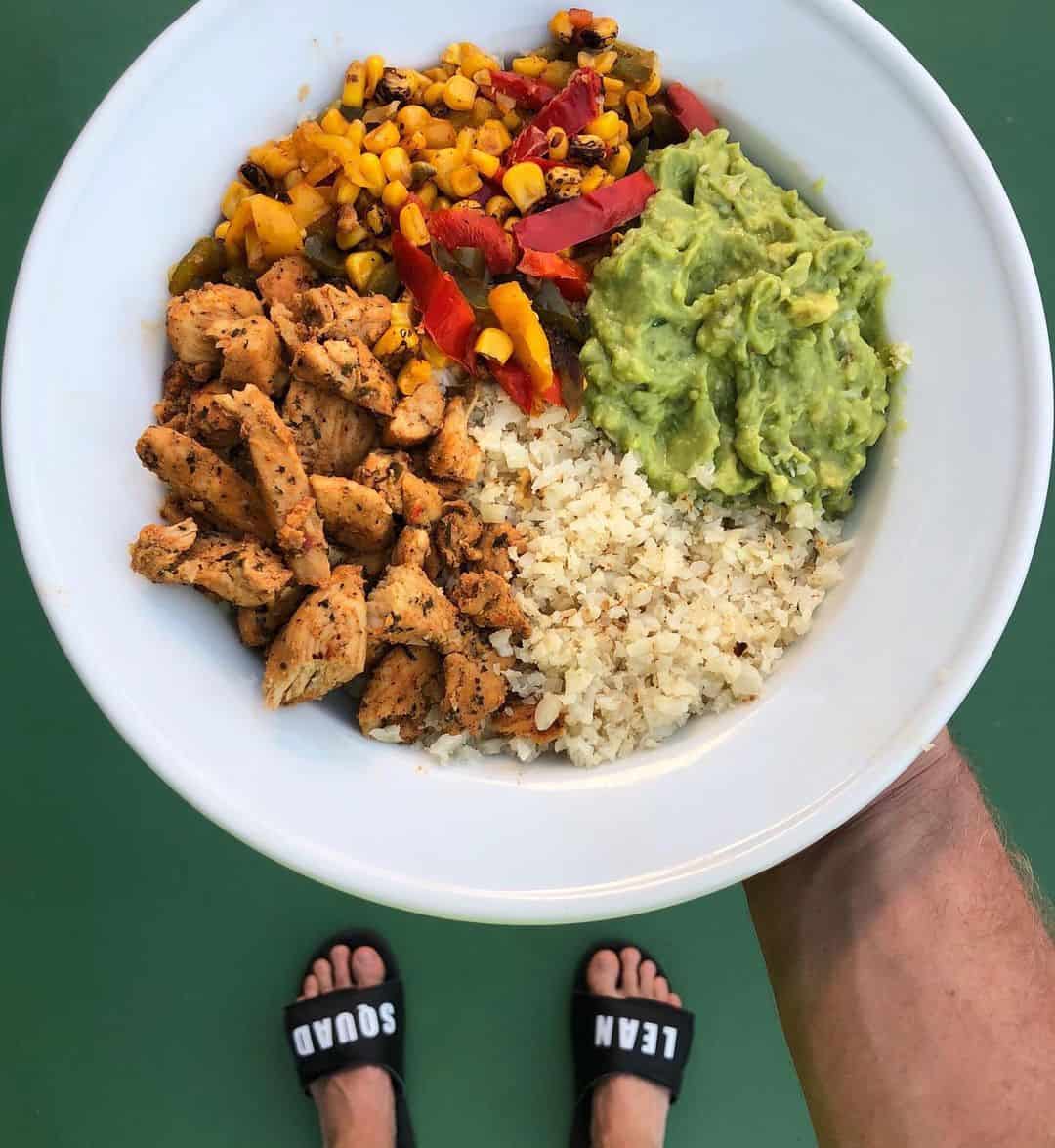
Our Top Pick
Clean Eatz Kitchen Weight Loss Meal Plan
Chef-prepared, portion-controlled meals designed for real weight loss results. No cooking required. No calorie counting. Just fresh food that works.
View on AmazonHow Do Coke Zero and Diet Coke Taste Different?
Coke Zero and Diet Coke have distinctly different flavor profiles despite identical calorie counts. Coke Zero is smoother, sweeter, and closer to regular Coca-Cola. Diet Coke is lighter and slightly tart with a more pronounced citrusy finish. Most blind taste tests identify Coke Zero as the stronger match to original Coke. Here is why that matters: if you are replacing regular soda, the closer the taste match, the easier the transition.
The flavor difference traces back to ingredient choices. Citric acid in Diet Coke adds brightness and a subtle tang. Acesulfame potassium and potassium citrate in Coke Zero smooth out the aftertaste. Taste of Home editors who blind-tested both found Coke Zero ‘smoother and sweeter’ and ‘more bubbly’ than Diet Coke in a direct comparison. That carbonation difference is also noted by frequent drinkers.
Dietitian Abbey Sharp identifies the sweetener combination as the ‘one key difference’ shaping the taste. Ace-K is slightly bitter on its own, but combined with aspartame, it rounds out the flavor into something closer to sucrose. Diet Coke, relying on aspartame alone, reads as lighter and more tart. The sweetener blend explains most of the taste gap between the two drinks.
Which One Tastes More Like Regular Coke?
Coke Zero is specifically designed to taste like original Coca-Cola. The Coca-Cola Company confirms this directly. Coke Zero Sugar uses a dual-sweetener blend that mimics the mouthfeel and sweetness curve of full-sugar Coke. Diet Coke was never designed as a replica. It stands as its own flavor, separate from regular Coke’s taste profile.
The dual-sweetener strategy plays a direct role in closing the taste gap. Aspartame provides primary sweetness. Ace-K extends the sweetness duration and reduces bitter aftertaste. Together, they replicate the sweetness profile of sucrose more closely than aspartame alone achieves. Regular Coke drinkers generally find Coke Zero a more satisfying substitute.
For drinkers who want a calorie-free alternative to regular Coke, Coke Zero is the closer match. Diet Coke suits drinkers who prefer a lighter, more distinct cola flavor that stands on its own merits. The choice ultimately depends on whether you want a substitute for regular Coke or a separate diet cola experience.
How Do Artificial Sweeteners in Each Drink Affect Your Health?
The artificial sweeteners in Coke Zero and Diet Coke are FDA-approved and considered safe for most adults in moderate amounts. Both drinks rely primarily on aspartame. Coke Zero adds acesulfame potassium. Research into long-term effects is ongoing. Some studies raise questions about regular high-dose consumption, but standard intake from one or two cans per day sits well within accepted safety margins.
In 2023, the International Agency for Research on Cancer classified aspartame as ‘possibly carcinogenic to humans’ under Group 2B. This classification reflects limited evidence, not confirmed harm. Group 2B includes items like aloe vera extract. The FDA and European Food Safety Authority maintain that aspartame is safe at normal consumption levels. The daily acceptable intake for aspartame is 40 mg per kilogram (18 mg per pound) of body weight.
Acesulfame potassium, used in Coke Zero, received FDA approval in 1988. It passes through the body without being metabolized. Regulatory agencies worldwide consider it safe at the amounts found in commercial beverages. Both sweeteners have decades of regulatory review behind them. The debate continues in research, but the consensus position from health authorities has not shifted.
Can Diet Sodas Affect Gut Health?
Some research suggests that artificial sweeteners may alter the composition of gut bacteria in high-consumption scenarios. Animal studies show that large doses of saccharin and sucralose disrupt microbial balance. Human studies on aspartame and Ace-K remain more limited. Some small trials report changes in gut microbiome diversity following regular consumption of non-nutritive sweeteners. Does this apply to Diet Coke and Coke Zero specifically? Research is not yet definitive.
A 2022 study published in Cell found that certain non-nutritive sweeteners, including saccharin and sucralose, produced measurable changes in human gut microbiota and glycemic responses. Aspartame showed smaller effects in that trial. Results varied significantly between individuals, suggesting personal microbiome composition determines sensitivity. No single sweetener response applies universally.
Practical concern scales with quantity. One or two cans per day is unlikely to produce meaningful gut disruption for most healthy adults. Daily high-volume intake may warrant more attention, particularly for people managing digestive conditions. Pairing sweetened beverages with a fiber-rich diet supports microbial diversity regardless of sweetener exposure. Food quality surrounding beverage choices matters more than the beverages alone.
Do Artificial Sweeteners Cause Weight Gain?
No. Artificial sweeteners do not directly cause weight gain through caloric intake. Aspartame and acesulfame potassium contribute no calories to the body. However, some research points to indirect mechanisms. Sweeteners may influence insulin signaling, appetite regulation, and food reward pathways. Those effects could influence total calorie consumption in ways that offset the zero-calorie benefit of the drinks themselves.
A 2017 Canadian Medical Association Journal review of 37 studies found mixed results. Randomized controlled trials showed no significant weight gain from non-nutritive sweeteners in isolation. Observational studies found associations with higher body mass index over time. Researchers note that people managing weight issues may consume more diet beverages to begin with, which makes causation difficult to separate from correlation.
The current scientific consensus is that diet sodas alone do not cause weight gain. Replacing sugar-sweetened beverages with zero-calorie alternatives reduces total calorie intake in the short term for most people. Long-term weight outcomes depend on overall dietary patterns, not individual beverages. Our coaches at Optimal Weight Plan assess the full nutritional picture before making beverage recommendations. A drink choice is never the whole strategy.
Which Is Better for Weight Loss?
Neither Coke Zero nor Diet Coke is a proven weight loss tool on its own. Both eliminate the sugar and calories in regular soda, which supports a calorie deficit when used as direct substitutes. Their effect on weight depends on what they replace in the diet and how total eating patterns align with weight goals. The drink choice is a small variable inside a much larger system.
Switching from a 12-ounce (355 ml) regular Coke to a diet version eliminates approximately 140 calories per serving. Over time, that creates a meaningful deficit if all other habits remain constant. For a person drinking two regular sodas daily, the switch reduces calorie intake by roughly 280 calories per day, or about 1,960 calories per week. That math supports weight loss when the rest of the diet holds steady.
The challenge is compensatory eating. Some research shows that drinkers compensate for saved calories by eating more elsewhere. Sweet taste from zero-calorie beverages may prime appetite for additional food. For people serious about body weight, pairing the beverage switch with a structured weight loss program produces far more consistent results than swapping beverages alone.
Does Drinking Diet Soda Help You Lose Weight?
Diet soda can support weight loss when it replaces sugar-sweetened beverages inside a structured eating plan. Studies tracking calorie substitution show that swapping regular soda for zero-calorie alternatives reduces daily energy intake in most participants. The reduction alone does not guarantee weight loss without broader dietary changes around it.
A 2012 study in the American Journal of Clinical Nutrition found that participants who replaced caloric beverages with non-caloric alternatives lost more weight over six months than those who kept caloric drinks. The benefit diminished when overall diet quality remained poor. Beverages are one variable inside a complex system. Changing one variable while ignoring the others produces limited results.
Results vary by individual. People with elevated insulin resistance may find that frequent sweet tastes, even from zero-calorie sources, keep cravings elevated. Others use diet sodas effectively as a bridge away from regular soda with no negative effect on appetite. The practical answer: diet soda helps when it is part of a plan, not when it is the plan.
What Are the Potential Side Effects of Drinking Coke Zero or Diet Coke?
Regular consumption of diet sodas is linked to several reported side effects in sensitive individuals. Common complaints include headaches, bloating, and digestive discomfort. These effects are more often associated with carbonation and aspartame sensitivity than with the drinks as a whole. Most people tolerate both beverages without issue at moderate intake. The side effects that do occur tend to be mild and reversible.
Aspartame contains phenylalanine, an amino acid most people metabolize without issue. People with phenylketonuria, a rare genetic condition that impairs phenylalanine processing, must avoid aspartame entirely. Both Diet Coke and Coke Zero carry a phenylalanine warning on the label. PKU patients should treat both drinks as off-limits regardless of their other ingredients.
Dental erosion is a concern with any carbonated beverage, diet or not. Phosphoric acid in both drinks weakens tooth enamel over time. The American Dental Association identifies frequent acid exposure as a contributor to enamel wear, regardless of calorie content. Rinsing with water after drinking and limiting sipping duration reduces enamel exposure significantly.
Reported Side Effects of Diet Sodas:
- Headaches in aspartame-sensitive individuals
- Bloating and gas from carbonation
- Tooth enamel erosion from phosphoric acid
- Phenylalanine exposure (risk for PKU patients only)
- Possible gut microbiome changes at high daily intake volumes
Side effects are dose-dependent. One or two cans per day sits well within the range that major regulatory agencies consider safe for healthy adults without PKU.
Who Should Avoid Diet Sodas Entirely?
People with phenylketonuria must avoid all products containing aspartame, including both Coke Zero and Diet Coke. PKU is a metabolic disorder that prevents the body from processing phenylalanine safely. Both drinks carry mandatory phenylalanine warnings on their labels. Even small amounts of aspartame pose a direct health risk for this population. There is no safe quantity for PKU patients.
Pregnant women are advised to limit aspartame intake, though direct evidence of fetal harm from typical consumption levels remains inconclusive. Some health authorities recommend erring on the side of caution during pregnancy. Consulting a healthcare provider before maintaining a regular diet soda habit during pregnancy is a reasonable step for any expectant mother.
Children and adolescents may benefit from minimizing diet soda consumption. Young palates that adapt to intense artificial sweetness may find less-sweet whole foods less appealing over time. This is a behavioral and preference concern rather than a direct toxicological risk at standard serving sizes. Water remains the most consistently recommended beverage for all age groups by major health organizations.
Want Your Free Weight Loss Action Plan from Our OPTAVIA Coaches?
You have the science. Now you need a plan that actually puts it to work. Swapping regular Coke for a diet version is one small piece of a larger puzzle. And small pieces without structure rarely produce the lasting results people are after.
Our Independent OPTAVIA Coaches at Optimal Weight Plan build personalized weight loss plans that go well beyond single food or beverage swaps. The free action plan covers what to eat, when to eat it, and how to build the habits that hold over time. It is built around real clinical protocols, not short-term trends or marketing claims.
Do not let good information sit unused. Get the free 12-week weight loss action plan from our team at Optimal Weight Plan. The coaches are ready to walk through every step. One decision to start is all it takes.
Our Top Pick
Clean Eatz Kitchen Weight Loss Meal Plan
Chef-prepared, portion-controlled meals designed for real weight loss results. No cooking required. No calorie counting. Just fresh food that works.
View on Amazon