A clear liquid diet is a short-term medical diet of see-through fluids that rests the GI tract before or after procedures. Doctors prescribe it for a specific clinical reason and a defined number of days. It is not a lifestyle choice or a weight loss tool.
Clear liquids include water, broth, gelatin, and plain sports drinks. The diet improves colonoscopy accuracy, reduces GI inflammation during flares, and prevents dehydration during surgical recovery. Risks include protein loss, electrolyte imbalance, and rapid muscle breakdown if the diet extends beyond the prescribed window.
This guide covers what you can eat, what to avoid, how long to stay on the diet, and who needs extra medical supervision. By the end, the clinical logic behind every rule will make sense.
What Is a Clear Liquid Diet?
A clear liquid diet is a short-term medical diet of see-through fluids only. It includes water, clear broth, and plain gelatin. Doctors prescribe it to rest the digestive tract before procedures or after surgery. The diet eliminates all solid foods and opaque beverages.
Here’s the thing: the body can’t meet its full nutritional needs on clear liquids alone. Protein, fat, and key vitamins are absent. That’s why doctors limit the diet to a few days and monitor patients closely throughout.
A clear liquid diet is a clinical tool, not a lifestyle choice. It serves a specific medical function for a defined period. Self-prescribing this diet without a physician’s guidance carries real health risks that compound quickly.
Why Do Doctors Prescribe Clear Liquid Diets?
Doctors prescribe clear liquid diets to prepare the GI tract for procedures or aid post-surgical healing. Colonoscopies, upper endoscopies, and bowel surgeries all require a residue-free intestinal environment. Accurate results and safe recovery both depend on a clean, empty digestive tract.
Colonoscopy preparation is the most common reason. A fully emptied colon lets the physician visualize the intestinal lining clearly. Residue from food can conceal polyps or abnormal tissue, reducing diagnostic accuracy significantly.
Post-surgical recovery is the second common application. After intestinal surgery, clear liquids prevent peristaltic stress on suture sites. The GI tract begins healing without the mechanical load of solid food digestion pressing against fresh repair sites.
What Is the Difference Between a Clear and Full Liquid Diet?
A clear liquid diet allows only see-through fluids with zero GI residue. A full liquid diet expands to include milk, cream soups, yogurt, and blended foods. Both exclude solid foods, but the full liquid diet delivers meaningfully more protein and calories.
The clinical distinction matters for post-procedure recovery. A doctor typically advances a patient from clear liquid to full liquid to soft foods as the GI tract tolerates increasing complexity. Skipping stages irritates healing tissue and delays recovery.
Nutritionally, a full liquid diet is significantly more complete. A full liquid diet can sustain a patient for weeks with proper planning. A clear liquid diet cannot sustain the body beyond a few days without supplemental nutrition support.
Comparison:
| Feature | Clear Liquid Diet | Full Liquid Diet |
|---|---|---|
| Foods Allowed | Water, broth, gelatin, clear juices | Milk, yogurt, cream soups, blended foods |
| GI Residue | None | Minimal |
| Protein Content | Very low | Moderate |
| Duration | 1-5 days maximum | Days to weeks with supervision |
| Typical Use | Pre/post procedure, GI flare | Post-procedure advancement, swallowing disorders |
Understanding the difference helps patients comply correctly with their physician’s instructions and avoid substituting one diet for the other at the wrong recovery stage.
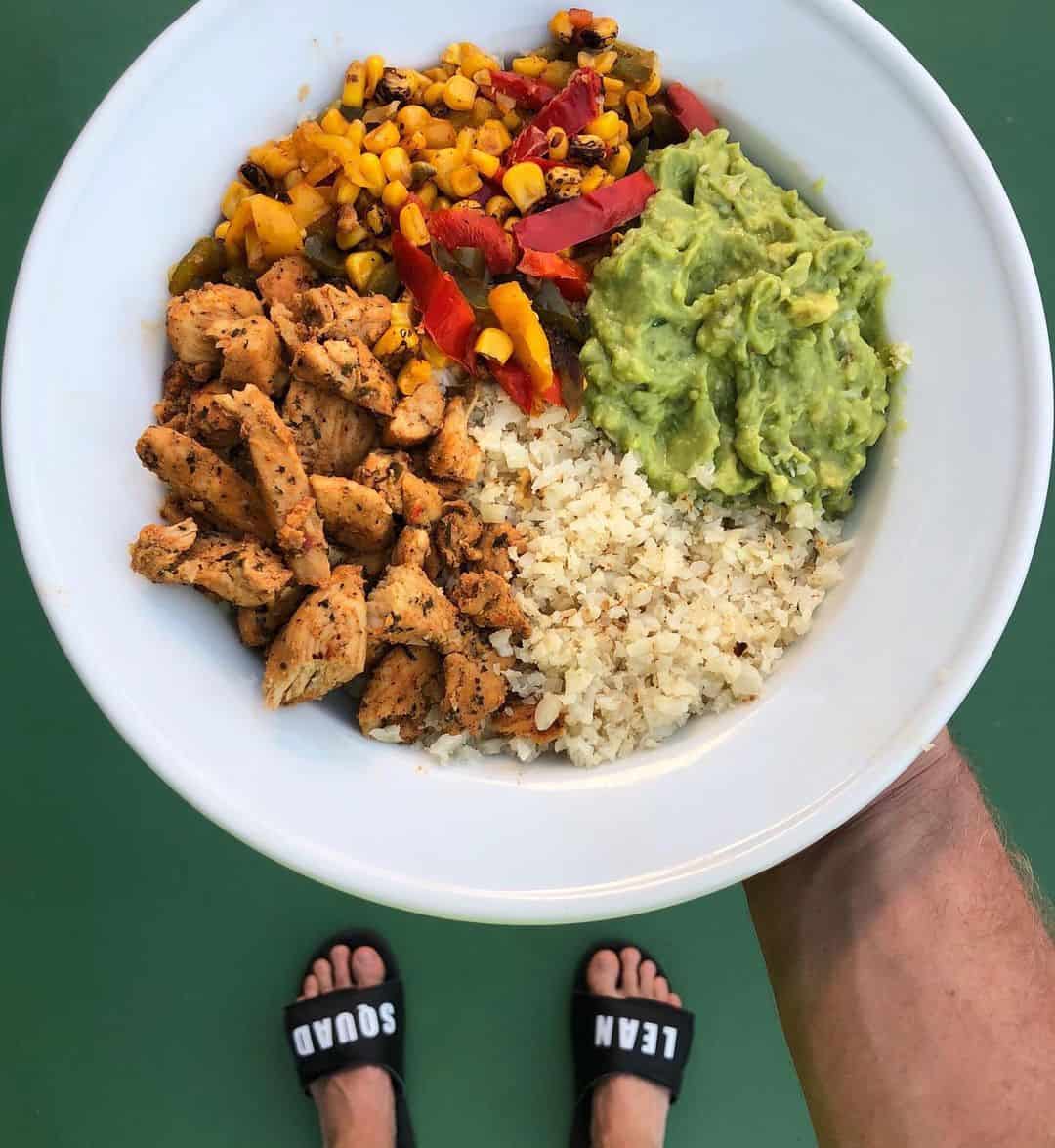
Our Top Pick
Clean Eatz Kitchen Weight Loss Meal Plan
Chef-prepared, portion-controlled meals designed for real weight loss results. No cooking required. No calorie counting. Just fresh food that works.
View on AmazonWhat Can You Eat and Drink on a Clear Liquid Diet?
Clear liquid diet options include water, plain broth, gelatin, and clear sports drinks. Plain popsicles without cream or fruit chunks are permitted. Black coffee and plain tea without milk qualify. Clear apple juice and white grape juice are acceptable when pulp-free.
Electrolyte balance is a real concern here. Clear broth and sports drinks provide sodium and potassium. These electrolytes prevent dangerous fluid imbalances during the restricted diet period. And here is the best part: plain broth is one of the most effective electrolyte sources on the approved list.
Patients preparing for a colonoscopy must avoid red and purple beverages specifically. Red or purple dyes stain the intestinal lining during the procedure. The staining mimics blood or abnormal tissue. That means inaccurate diagnostic readings and possible unnecessary follow-up testing.
Approved Clear Liquids:
- Water (still or sparkling, plain)
- Clear broth or bouillon (chicken, beef, or vegetable)
- Plain gelatin without fruit chunks
- Popsicles without cream, pulp, or chunks
- Clear apple juice or white grape juice (pulp-free)
- Plain black coffee or plain tea (no milk or cream)
- Clear sports drinks (avoid red and purple varieties before colonoscopy)
Sticking to this list ensures the GI tract stays residue-free and the body remains adequately hydrated throughout the diet period.
What Foods and Drinks Should You Avoid?
On a clear liquid diet, all solid foods and opaque liquids are prohibited. Milk, cream, juice with pulp, smoothies, and alcohol are excluded. Any beverage you can’t see through clearly fails to meet the definition of a clear liquid.
Juice with pulp is a common source of confusion. Orange juice, lemonade, and tomato juice leave GI residue despite being liquids. That residue defeats the purpose of bowel rest and undermines pre-procedure cleansing. To be clear: if it looks cloudy, it doesn’t qualify.
Alcohol is strictly off the table. Alcohol irritates the GI mucosa and accelerates dehydration. Both effects worsen the very conditions a clear liquid diet is intended to address.
Foods and Drinks to Avoid:
- All solid foods
- Milk and cream
- Orange juice, lemonade, or tomato juice
- Smoothies and protein shakes
- Alcohol of any kind
- Coffee or tea with milk or cream
- Red or purple beverages (before colonoscopy)
Following these exclusions precisely determines whether bowel prep or post-surgical recovery proceeds as the doctor intended.
What Are the Benefits of a Clear Liquid Diet?
A clear liquid diet gives the digestive tract a complete rest from mechanical digestion. This rest reduces GI inflammation, allows mucosal tissue to heal, and clears residue from the intestines. For a recovering or inflamed gut, that rest directly accelerates the healing timeline.
A clean, residue-free colon improves diagnostic accuracy during colonoscopy. Research shows adequate bowel preparation increases polyp detection rates substantially. Better detection reduces the need for repeat procedures and improves early cancer screening outcomes.
And here’s something most people don’t think about: dehydration prevention. Continuous fluid intake on a clear liquid diet protects the body from dangerous fluid loss during medical recovery. Dehydration slows wound healing and stresses the kidneys. Clear broths and approved sports drinks maintain hydration without any GI burden.
Key Benefits:
- Rests and reduces inflammation in the GI tract
- Prepares the colon for accurate diagnostic procedures
- Prevents dehydration during medical recovery
- Reduces digestive symptoms during GI flares
Does a Clear Liquid Diet Help With Digestion?
Yes. A clear liquid diet reduces peristaltic contractions that aggravate inflamed intestinal tissue. Stopping mechanical digestion gives irritated gut tissue a chance to recover without constant stimulation from solid food processing. That break is the entire therapeutic mechanism.
GI symptoms tied to diverticulitis and Crohn’s flares respond quickly to this digestive rest. Bloating, diarrhea, and cramping typically ease within 24-48 hours on clear liquids. Why does that matter? Because symptom relief confirms the diet is doing exactly what it’s supposed to do.
What Are the Risks of a Clear Liquid Diet?
A clear liquid diet is nutritionally incomplete and cannot sustain the body long-term. It lacks adequate protein, fat, essential vitamins, and minerals. The body starts drawing on muscle tissue for energy when dietary protein disappears for more than a day or two.
Staying on the diet beyond the prescribed window accelerates malnutrition risk. Electrolyte imbalances, immune suppression, and persistent fatigue emerge within days of inadequate calorie intake. These complications require medical intervention to safely reverse.
Most clear liquid diets provide only 500-1,000 calories (2,090-4,180 kJ) per day. Adult daily requirements average 1,600-2,400 calories (6,700-10,000 kJ). That gap is significant. The body compensates by breaking down muscle protein to fill it.
Common Risks:
- Protein and calorie deficiency within 24-48 hours
- Electrolyte imbalances (low sodium, potassium)
- Muscle breakdown (catabolism) beyond 48-72 hours
- Immune suppression with prolonged use
- Fatigue, dizziness, and lightheadedness
Is a Clear Liquid Diet Safe for Weight Loss?
No. A clear liquid diet is not designed or recommended for weight loss purposes. Any weight lost during the diet is primarily water and muscle mass, not fat. Fat loss requires a sustained caloric deficit with adequate protein intake. A clear liquid diet provides neither in sufficient quantities.
Severe caloric restriction without protein triggers catabolism within 48-72 hours. The body breaks down muscle tissue to supply amino acids for essential organ function. Is that a problem? Absolutely. Muscle loss slows metabolism and makes long-term weight management significantly harder.
Who Should Avoid a Clear Liquid Diet?
Diabetic patients face serious blood sugar management challenges on a clear liquid diet. Sugary gelatin, sports drinks, and juices raise blood glucose rapidly without protein to slow absorption. Insulin or oral diabetes medication doses require physician review before the diet starts.
Children and the elderly face heightened risk of dehydration and electrolyte imbalance. Both populations have lower fluid reserves than healthy adults. Close monitoring by a healthcare provider is mandatory for these groups throughout the entire diet period.
Pregnant individuals should avoid a clear liquid diet except under direct medical supervision. Adequate protein and micronutrients are essential for fetal development every single day. A clear liquid diet fails to meet even the baseline nutritional requirements for a healthy pregnancy.
How Long Should You Stay on a Clear Liquid Diet?
A clear liquid diet typically lasts 1-3 days for colonoscopy or endoscopy preparation. Post-surgical recovery may extend the diet to 5 days under close medical supervision. Any duration beyond 5 days requires supplemental intravenous nutrition to prevent malnutrition and organ stress.
Any extension beyond the physician’s original prescription requires explicit medical clearance. Self-extending the diet is dangerous. Nutritional deficiencies compound quickly when the body lacks adequate caloric and protein intake for multiple consecutive days without a plan to compensate.
What Results Can You Expect on a Clear Liquid Diet?
Most patients on a clear liquid diet experience hunger, fatigue, and lightheadedness within the first 24 hours. These are direct physiological responses to caloric deficit. The symptoms are expected and temporary. They resolve when solid food is reintroduced after the prescribed period ends.
GI symptoms from Crohn’s or diverticulitis flares typically resolve within 24-48 hours on clear liquids. Diarrhea, bloating, and cramping ease as the digestive load drops. That symptomatic relief confirms the diet is performing its intended clinical function. Most patients notice a real difference within the first day.
For colonoscopy preparation, adequate bowel prep improves polyp detection rates. A clean colon reduces the need for repeat procedures. Patients who follow the diet correctly tend to receive more thorough and accurate diagnostic results from their physician.
What Are Common Mistakes on a Clear Liquid Diet?
The most common mistake on a clear liquid diet is drinking red or purple beverages before a colonoscopy. These dyes stain the intestinal lining, mimicking blood or abnormal tissue during the procedure. The staining triggers false positives and forces unnecessary follow-up testing that could have been avoided entirely.
Here is the part most people miss: extending the diet beyond the prescribed window without medical approval is just as dangerous. Malnutrition and muscle breakdown accelerate with each additional day on inadequate calories. Patients sometimes assume a longer restriction produces better results. It doesn’t.
Misclassifying opaque beverages as acceptable clear liquids is also widespread. Orange juice, tomato juice, and milky teas leave GI residue despite being liquid. Consuming these beverages undermines bowel prep quality and defeats the therapeutic goals of digestive rest.
Common Mistakes to Avoid:
- Drinking red or purple beverages before colonoscopy
- Extending the diet beyond the prescribed duration
- Consuming juice with pulp or opaque beverages
- Adding milk or cream to coffee or tea
- Skipping hydration and not drinking enough approved fluids
How Do You Follow a Clear Liquid Diet If You Have Diabetes?
Diabetic patients following a clear liquid diet face rapid blood glucose spikes from the permitted beverages. Gelatin, sports drinks, and clear juices contain sugar without protein to buffer absorption. Blood glucose rises quickly and unpredictably without the moderating effect of solid food in the stomach.
Insulin and oral diabetes medication doses must be reviewed by a physician before the diet begins. The typical caloric intake on clear liquids is far too low to match standard medication doses. Hypoglycemia is a real and immediate risk without proper dose adjustments — and it can be dangerous if undetected.
Blood glucose monitoring should occur every 2-4 hours during the clear liquid diet period. Frequent checks allow a rapid response to dangerous highs or lows. A healthcare provider should remain reachable throughout for guidance on dose corrections as blood sugar fluctuates.
Want Your Free Weight Loss Action Plan from Our OPTAVIA Coaches?
You have the facts. Now here’s the thing: a clear liquid diet ends when the procedure or recovery does. What comes next is where the real work begins. Our Independent OPTAVIA Coaches at Optimal Weight Plan have built a free 12-week action plan that takes you from restriction to results. Don’t guess your way through weight management when the plan is right here.
The Optimal Weight Plan approach builds lasting habits rather than short-term restriction. Our coaches guide clients through meal structure, calorie targets, and weekly accountability check-ins. That structure is what produces results that actually hold.
A structured weight loss program provides the daily framework a clear liquid diet simply cannot. If lasting results are the goal, the free plan from our team at Optimal Weight Plan is where those results start.
Our Top Pick
Clean Eatz Kitchen Weight Loss Meal Plan
Chef-prepared, portion-controlled meals designed for real weight loss results. No cooking required. No calorie counting. Just fresh food that works.
View on Amazon