Cholesterol lowering foods are everyday ingredients that reduce LDL levels through soluble fiber, healthy fats, plant sterols, and omega-3 fatty acids. This guide covers the foods with the strongest clinical evidence, the nutrients driving each result, and the common mistakes that prevent real progress.
Oats and barley deliver beta-glucan fiber that traps bile acids in the gut, forcing the liver to pull LDL from the blood. Legumes and beans add soluble fiber and plant protein without saturated fat. Nuts and seeds supply monounsaturated and polyunsaturated fats that lower LDL without reducing HDL. Fatty fish provide omega-3s that reduce triglycerides by 15 to 30 percent. Fruits and vegetables add pectin and antioxidants that prevent LDL oxidation in arterial walls.
A consistent diet combining these foods can lower LDL by 10 to 28 percent in 30 days. The Portfolio Diet study confirmed a 28 percent reduction in four weeks using oats, sterols, nuts, and soy protein together. Read on for the full breakdown of every food category, how long results take, and what to avoid to protect your progress.
What Are Cholesterol Lowering Foods?
Cholesterol lowering foods are everyday ingredients that reduce LDL levels in blood. Here’s the thing — these foods work through four distinct pathways: soluble fiber, healthy fats, plant sterols, and omega-3 fatty acids. Each targets a different step in cholesterol production or absorption. Together, they form a practical eating strategy backed by decades of clinical evidence.
What Is Cholesterol and Why Does It Matter?
Cholesterol is a waxy, fat-like substance produced naturally by the liver. The body needs it to build cell membranes and produce hormones. But here’s where it gets dangerous — when LDL cholesterol builds up in artery walls, those walls narrow and harden. That process raises the risk of heart attack and stroke silently over years.
Blood cholesterol is measured in milligrams per deciliter (mg/dL). A total reading below 200 mg/dL is considered healthy. LDL below 100 mg/dL is optimal for most adults. HDL, the good form, works best at 60 mg/dL or higher.
High cholesterol often has no symptoms. Many people discover elevated levels only during routine blood tests. That’s the scary part — high LDL damages artery walls for years before any warning sign appears. Early dietary changes lower risk before medication becomes the only option.
What Are the Two Types of Cholesterol?
LDL cholesterol is the harmful form that builds up in artery walls. HDL cholesterol carries excess LDL back to the liver for disposal. The ratio between these two determines overall cardiovascular risk. Diet directly influences both types at the same time.
LDL earns the label ‘bad’ because it deposits plaque inside arteries. Plaque narrows the vessel opening over time. Blood flow becomes restricted. Heart muscle and brain tissue receive less oxygen as a result.
HDL earns the label ‘good’ because it performs reverse cholesterol transport. It picks up LDL from arterial walls and delivers it to the liver for excretion. Higher HDL levels correlate with lower heart disease risk in every major population study.
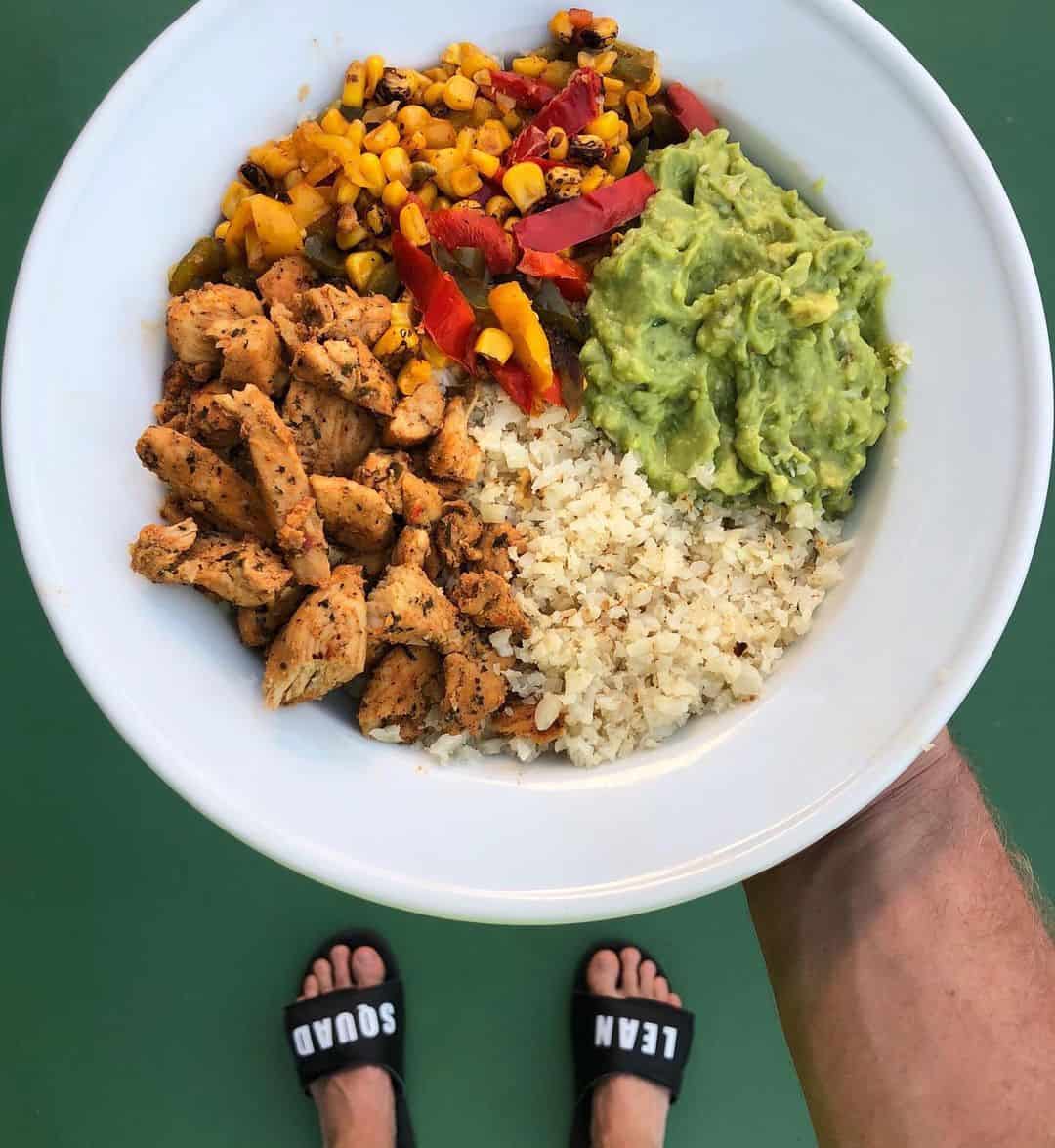
Our Top Pick
Clean Eatz Kitchen Weight Loss Meal Plan
Chef-prepared, portion-controlled meals designed for real weight loss results. No cooking required. No calorie counting. Just fresh food that works.
View on AmazonHow Do Foods Lower Cholesterol?
Diet lowers cholesterol through four distinct biological mechanisms. Soluble fiber binds cholesterol in the gut before it reaches the bloodstream. Healthy fats replace saturated fats that drive LDL higher. Plant sterols block cholesterol uptake at the intestinal wall. Omega-3 fatty acids reduce triglycerides and shift the HDL-to-LDL ratio in your favor.
Saturated fat is the primary dietary driver of high LDL. Does that surprise you? It surprises most people. Saturated fat signals the liver to produce far more cholesterol than the body actually needs. Clinical trials show replacing it with unsaturated fat can lower LDL by 10 to 15 percent alone.
Soluble fiber forms a gel in the digestive tract. That gel traps bile acids made from cholesterol. The liver must then draw on blood cholesterol to make new bile acids to replace them. The net result is a measurable LDL drop within weeks of consistent daily intake.
What Nutrients Actually Reduce LDL Cholesterol?
Beta-glucan is the soluble fiber in oats and barley with the strongest LDL evidence. Eating 3 grams (0.1 oz) daily reduces LDL by 5 to 10 percent. Plant sterols at 2 grams (0.07 oz) per day block another 10 percent of cholesterol absorption. Omega-3 fatty acids lower triglycerides by 15 to 30 percent in most adults.
Monounsaturated fats from olive oil, avocados, and nuts lower LDL without touching HDL. Polyunsaturated fats from fish and seeds improve the full LDL-to-HDL ratio. Soy protein at 25 grams (0.9 oz) daily adds a modest 3 to 4 percent LDL reduction on top of the others. These nutrients work best when you combine them in a whole-food eating pattern — not in isolation.
Key Cholesterol-Lowering Nutrients:
| Nutrient | Daily Target | LDL Reduction |
|---|---|---|
| Beta-glucan | 3g (0.1 oz) | 5-10% |
| Plant sterols | 2g (0.07 oz) | up to 10% |
| Omega-3 fatty acids | 2 servings fish/week | 15-30% triglycerides |
| Soy protein | 25g (0.9 oz) | 3-4% |
| Monounsaturated fats | replace saturated fats | 10-15% |
What Are the Best Foods to Lower Cholesterol?
The most effective cholesterol lowering foods are oats, legumes, fatty fish, nuts, and vegetables. Each delivers one or more of the key nutrients: beta-glucan, plant sterols, omega-3s, or monounsaturated fats. Eating a variety across the week compounds the benefit. No single food substitutes for a consistent dietary pattern — and that’s where most people stumble.
Plant foods offer the widest range of cholesterol lowering mechanisms combined. Fruits and vegetables add soluble fiber and antioxidants. Whole grains deliver beta-glucan and lignans. Legumes contribute plant protein that replaces cholesterol-raising animal fats.
Best Cholesterol Lowering Foods:
- Oats and oat bran
- Barley
- Chickpeas, lentils, and kidney beans
- Salmon, mackerel, and sardines
- Almonds, walnuts, and pistachios
- Apples, oranges, and pears
- Broccoli, kale, and spinach
- Avocados
- Extra virgin olive oil
- Soy products (tofu, edamame)
Do Oats and Barley Lower Cholesterol?
Yes. Oats and barley lower LDL cholesterol through beta-glucan soluble fiber. Beta-glucan forms a thick gel in the small intestine that traps bile acids. Without those bile acids available, the liver pulls cholesterol from the blood to make new ones. Studies show 3 grams (0.1 oz) of beta-glucan daily cuts LDL by up to 10 percent in eight weeks.
One cup (240 ml) of cooked oatmeal delivers roughly 2 grams of beta-glucan. Add oat bran to yogurt or smoothies to reach the full daily target. Barley contains slightly more beta-glucan per serving than oats. Both carry the FDA heart health claim on cholesterol reduction — that’s not a marketing line, it’s a regulatory standard.
Steel-cut and rolled oats preserve more beta-glucan than instant varieties. Instant oatmeal with added sugar partially offsets the cardiovascular benefit. Plain oatmeal with fruit toppings maximises the cholesterol lowering effect. And here’s the key — consistency matters more than portion size for sustained LDL reduction.
Do Nuts and Seeds Reduce Bad Cholesterol?
Yes. Nuts and seeds reduce LDL cholesterol through healthy unsaturated fats. Almonds, walnuts, and pistachios contain monounsaturated and polyunsaturated fats that replace saturated fat in the diet. LDL drops without any reduction in HDL. A daily 28 gram (1 oz) handful reduces LDL by 5 to 7 percent in clinical trials.
Walnuts stand out because they’re rich in alpha-linolenic acid, a plant omega-3 fatty acid. That fat reduces inflammation and supports healthy triglyceride levels at the same time. Flaxseeds and chia seeds deliver similar omega-3 benefits. Ground flaxseed absorbs far better than whole seeds — that’s a detail worth remembering.
Nuts are calorie-dense at roughly 160 to 200 calories per 28 gram (1 oz) serving. Portion control matters for anyone managing weight alongside cholesterol. Unsalted, unroasted varieties avoid excess sodium and oxidised fats. Seeds can be stirred into yogurt, oatmeal, or salads with minimal effort.
Can Legumes and Beans Improve Cholesterol Levels?
Yes. Legumes and beans improve cholesterol levels through soluble fiber and plant protein. Chickpeas, lentils, kidney beans, and black beans are all effective options. Replacing one meat-based meal per day with legumes lowers LDL by 5 percent on average. Soluble fiber in legumes binds bile acids the same way oat beta-glucan does.
Plant protein from legumes doesn’t carry the saturated fat burden of animal protein. That swap reduces the liver’s LDL production signal. A half-cup (120 ml) serving of cooked lentils provides 8 grams of fiber — nearly a third of the daily soluble fiber target in one meal. That’s an efficient trade.
Canned legumes are as effective as dried when rinsed to reduce sodium. Hummus, lentil soup, and bean-based salads are practical daily formats. Legumes also lower the glycaemic load of meals, supporting stable blood sugar. Heart disease and diabetes share risk factors, so this dual benefit matters for many people.
What Role Do Fruits and Vegetables Play?
Fruits and vegetables lower cholesterol by supplying soluble fiber and antioxidants. Apples, oranges, pears, and berries are especially high in pectin, a soluble fiber that gels in the gut. Pectin blocks cholesterol absorption the same way beta-glucan does. Broccoli, spinach, kale, and Brussels sprouts add both fiber and cholesterol-lowering plant compounds.
Antioxidants in fruits and vegetables prevent LDL oxidation. Why does that matter? Oxidised LDL is the form most likely to trigger arterial plaque. Vitamin C in citrus and vitamin E in leafy greens act as the primary antioxidant defenses. Large observational studies link high intake of these foods to lower rates of cardiovascular events.
The American Heart Association recommends at least five portions of fruit and vegetables per day. One adult portion equals 80 grams (2.8 oz) or roughly a handful. Frozen and canned options count when fresh isn’t available. Choose options without added sugar or salt to preserve the full cardiovascular benefit.
What Foods and Drinks Should You Avoid?
Saturated fats and trans fats are the dietary components most harmful to LDL cholesterol. Saturated fat is found in fatty meats, full-fat dairy, butter, coconut oil, and palm oil. Trans fats appear in processed foods containing partially hydrogenated oils. Both raise LDL and suppress HDL at the same time — a double hit on heart health.
Sugar-sweetened drinks raise triglyceride levels and promote weight gain. Higher body weight increases LDL production in the liver. Sodas, fruit punches, and sweetened teas add calories without a single gram of fiber or cholesterol-lowering benefit. Water, unsweetened coffee, and green tea are the practical swaps.
Fried foods combine saturated or trans fats with high calorie density. Fast food hamburgers, fried chicken, and doughnuts hit multiple risk factors at once. Processed meats like bacon, sausage, and deli meats carry high saturated fat loads per serving. The good news? You don’t need to eliminate them entirely — limiting them to occasional treats rather than daily staples protects long-term cholesterol levels.
Foods to Limit or Avoid:
- Butter and coconut oil
- Fatty cuts of beef, pork, and lamb
- Bacon, sausage, and processed deli meats
- Fried fast food and doughnuts
- Full-fat dairy (whole milk, cream, hard cheese)
- Baked goods with shortening or partially hydrogenated oils
- Sugar-sweetened sodas and fruit drinks
Which Cooking Oils Are Best for Cholesterol?
Extra virgin olive oil is the most studied cooking oil for cholesterol improvement. It raises HDL and lowers LDL through its high monounsaturated fat content. Canola, peanut, safflower, sesame, and soybean oils share similar benefits. Coconut oil and palm oil raise LDL — replace them with any of the healthier alternatives above.
Avocado oil performs similarly to olive oil and tolerates higher cooking temperatures. Both stay stable up to 200 degrees Celsius (392 degrees Fahrenheit), making them safe for roasting and sauteing. Butter and margarine with partially hydrogenated oils are the primary targets for replacement in a cholesterol-lowering kitchen.
Cooking Oil Comparison:
| Oil | Primary Fat | Cholesterol Effect |
|---|---|---|
| Extra virgin olive oil | Monounsaturated | Lowers LDL, raises HDL |
| Avocado oil | Monounsaturated | Lowers LDL, raises HDL |
| Canola oil | Monounsaturated | Lowers LDL |
| Butter | Saturated | Raises LDL |
| Coconut oil | Saturated | Raises LDL |
How Long Does It Take for Diet to Lower Cholesterol?
Diet changes produce measurable LDL reductions within two to four weeks. The speed depends on baseline cholesterol levels, dietary consistency, and the intensity of changes made. A comprehensive plant-forward diet can lower LDL by 20 to 30 percent over three months. Medication is faster but dietary change sustains results without side effects — and that distinction matters for long-term health.
Beta-glucan from oats shows measurable effects in as little as two to four weeks of daily intake. Plant sterols at 2 grams per day reduce LDL absorption within days of starting. Here’s the catch — consistent daily intake is required to maintain the effect. Stop the foods, and the benefit reverses within weeks.
What Results Can You Expect in 30 Days?
In 30 days, a focused cholesterol lowering diet can reduce LDL by 10 to 20 percent. That range assumes daily intake of oats, legumes, nuts, and plant-rich meals. Most of the drop comes from replacing saturated fats and adding soluble fiber. The change is equivalent to a low-dose statin in some clinical comparisons — that’s significant.
A Portfolio Diet study published in the Journal of the American Medical Association found a 28 percent LDL reduction in just four weeks. That diet combined oats, plant sterols, nuts, and soy protein daily. Individual results vary based on genetics, starting LDL level, and how consistently the plan is followed. Blood tests at 30 and 90 days confirm the trajectory and catch any need for adjustment.
Weight loss during the first 30 days amplifies the cholesterol benefit. Every 5 kilogram (11 lb) reduction in body weight lowers LDL by 5 to 8 percent. Exercise adds another 5 to 10 percent improvement in HDL. Diet, movement, and weight management together produce the strongest possible outcome. Our team at Optimal Weight Plan builds all three into the free action plan — not just a food list.
What Are Common Mistakes with a Cholesterol-Lowering Diet?
The most common mistake is cutting dietary cholesterol while ignoring saturated fat. Dietary cholesterol in eggs and shellfish has far less impact on blood LDL than saturated fat does. Focusing on egg avoidance while eating bacon and cheese daily misses the larger driver. Saturated fat reduction delivers the highest LDL reduction per dietary change — that’s where the effort belongs.
A second mistake is relying on processed ‘low-fat’ foods. Here’s what most people don’t know: many low-fat products replace fat with sugar or refined starch. Both elevate triglycerides and can lower HDL. Whole food sources of healthy fats outperform low-fat processed alternatives in every clinical outcome that matters.
A third mistake is inconsistency. Eating oatmeal three days per week produces far less beta-glucan than daily intake. Plant sterols require 2 grams per day consistently to maintain their blocking effect. Is sporadic healthy eating better than nothing? Yes. Does it compound into a measurable LDL trend? No. Daily habit formation is the non-negotiable part of a successful cholesterol strategy.
Portion size errors also undermine progress. Nuts lower cholesterol at 28 grams (1 oz) per day. Eating 100 grams (3.5 oz) adds 500 extra calories daily. That caloric surplus drives weight gain, which increases LDL production in the liver. Precision with portions matters just as much as food quality — our coaches at Optimal Weight Plan address this in every personalised plan.
Common Mistakes to Avoid:
- Focusing on dietary cholesterol instead of saturated fat
- Relying on processed ‘low-fat’ packaged foods
- Eating cholesterol-lowering foods only occasionally
- Oversizing nut and seed portions
- Skipping blood tests to track progress
Want Your Free Cholesterol Diet Action Plan from Our OPTAVIA Coaches?
You have the science. Now you need the plan. The coaches at Optimal Weight Plan build personalised cholesterol-lowering meal frameworks around your food preferences, schedule, and LDL targets. If you’re serious about lowering LDL, pairing dietary changes with a structured weight loss program compounds the result. The plan is free. It takes less than five minutes to request.
Our Independent OPTAVIA Coaches at Optimal Weight Plan have guided hundreds of clients in lowering LDL without relying on medication alone. The approach focuses on sustainable daily habits — oats at breakfast, legumes at lunch, fatty fish twice a week. Clients who follow a structured plan lower LDL faster and maintain results longer than those making changes without guidance. A personalised plan removes the guesswork entirely.
The free action plan maps daily beta-glucan, plant sterol, and omega-3 targets to specific food choices you’ll actually eat. Weekly check-ins with a coach track LDL trends and adjust the plan based on real data. The plan doesn’t guess. It measures. And it adjusts. Request yours today.
Our Top Pick
Clean Eatz Kitchen Weight Loss Meal Plan
Chef-prepared, portion-controlled meals designed for real weight loss results. No cooking required. No calorie counting. Just fresh food that works.
View on Amazon