
The celiac disease diet is a strict, lifelong commitment to eating gluten-free. Celiac disease is an autoimmune condition where gluten triggers immune responses that damage the small intestine lining. Even tiny amounts of gluten cause harm, making dietary precision essential for everyone with this diagnosis.
This guide covers what gluten is and where it hides, which foods are safe versus dangerous, how cross-contamination works, the major health benefits of strict adherence, nutrient deficiencies to watch for, how to handle oats, dining out safely, common mistakes to avoid, and how children with celiac disease heal and thrive on this diet.
Celiac disease affects roughly 1 in 100 people worldwide, yet most cases go undiagnosed for years. The gluten-free diet isn’t a trend here, it’s the only known treatment. Understanding it fully changes long-term health outcomes dramatically, from gut healing to cancer risk reduction to restored fertility.
What Is the Celiac Disease Diet and Why Is It Necessary?
What Does Gluten Actually Do to the Celiac Intestine?
For people with celiac disease, gluten triggers an immune attack that destroys intestinal villi. These tiny finger-like projections line the small intestine and absorb nutrients. When they’re damaged, the body can’t properly absorb iron, calcium, folate, or vitamin D, no matter how nutritious the food.
Here’s why this matters: the damage isn’t just uncomfortable, it’s systemic. Nutrient malabsorption from villous atrophy affects bone density, neurological function, reproductive health, and immune regulation. This means every gluten exposure, even a crumb, restarts the inflammatory cycle.
The good news? The intestinal lining can heal. Healing begins within weeks of starting a strict gluten-free diet. Full recovery of the intestinal lining takes two or more years in adults, though children typically heal within three to six months. The diet is the treatment, and it works.
Which Grains Contain Gluten and Must Be Avoided?
Wheat, barley, and rye are the three primary gluten-containing grains to eliminate completely. This sounds simple, but wheat alone has many forms that appear under different names on ingredient labels, catching people off guard regularly.
Grains that contain gluten:
- Wheat (including spelt, kamut, farro, durum, bulgur, and semolina)
- Barley
- Rye
- Triticale (a wheat-rye hybrid)
Bottom line: if a grain isn’t on the safe list, it’s safest to assume it contains gluten. Reading every label, every time, isn’t optional for people with celiac disease, it’s a non-negotiable daily practice that protects intestinal health.
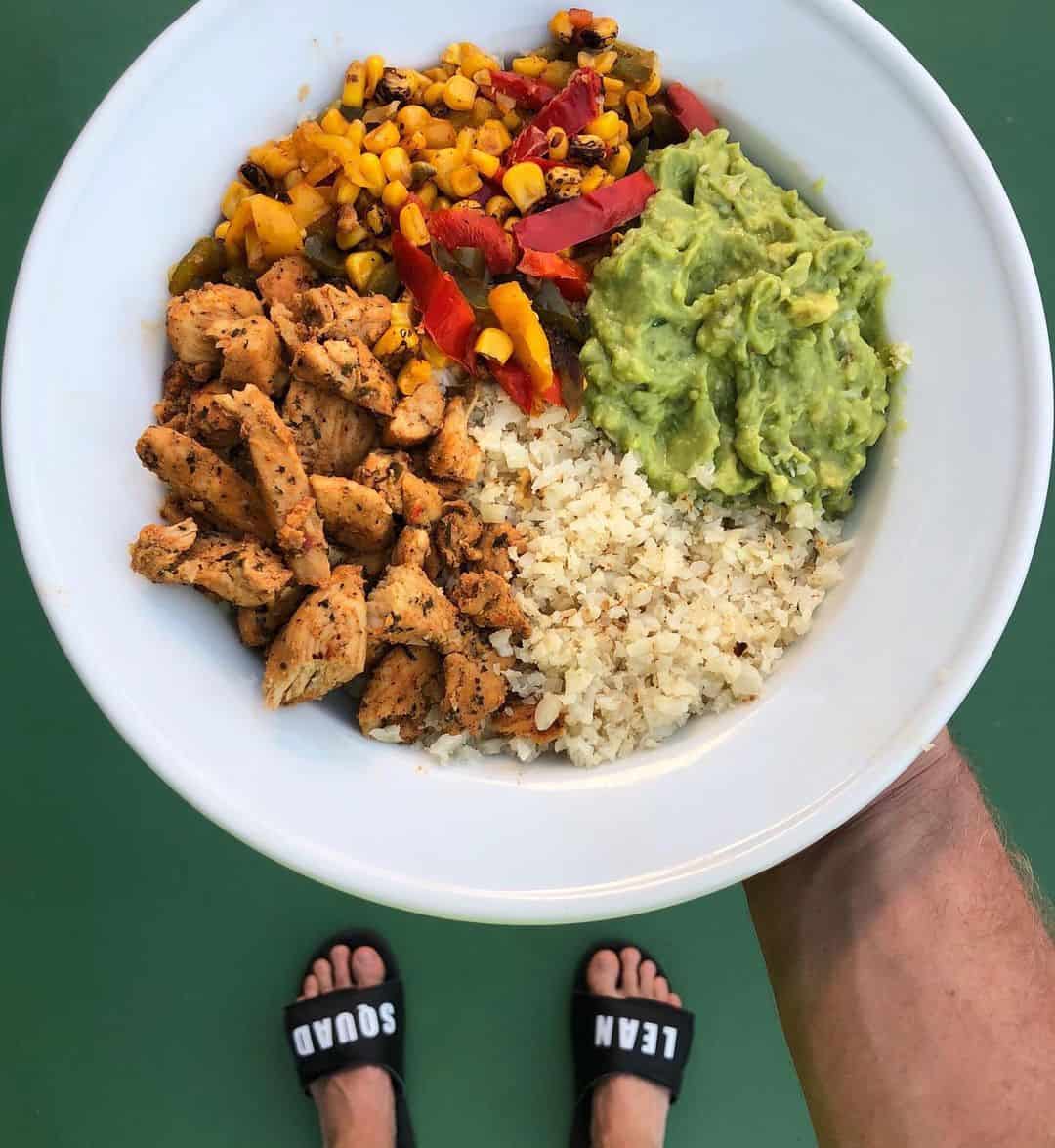
Our Top Pick
Clean Eatz Kitchen Weight Loss Meal Plan
Chef-prepared, portion-controlled meals designed for real weight loss results. No cooking required. No calorie counting. Just fresh food that works.
View on AmazonWhich Foods Are Safe to Eat on a Gluten-Free Diet?
What Naturally Gluten-Free Foods Should Form the Foundation?
Fresh, unprocessed whole foods form the safest foundation of any celiac disease diet. Fruits, vegetables, fresh meats, poultry, fish, eggs, and dairy products are naturally gluten-free in their unprocessed state. These foods carry no cross-contamination risk when purchased in their natural form.
Safe naturally gluten-free grains and starches:
- Rice
- Corn
- Quinoa
- Potatoes
- Tapioca
- Amaranth
- Buckwheat
- Millet
- Sorghum
- Teff
This means the celiac diet doesn’t have to feel restrictive. A plate of grilled salmon, roasted sweet potatoes, and steamed vegetables is naturally 100% gluten-free and also nutritionally dense. The diet works best when it’s built on whole foods rather than gluten-free packaged substitutes.
Are Gluten-Free Packaged Foods Always a Healthy Choice?
No. Gluten-free packaged foods are often high in sugar, refined starch, fat, and calories. Food manufacturers replace gluten with tapioca starch, potato starch, or rice flour, which provide structure but strip out fiber and B vitamins that whole wheat products once contained.
This is one of the most common mistakes people make after a celiac diagnosis. Switching from regular bread to gluten-free bread feels like a solution, but many gluten-free breads deliver more calories and less fiber than a handful of almonds. Nutritional labels matter just as much as ingredient labels here.
How Does Cross-Contamination Put Celiac Patients at Risk?
Where Does Hidden Gluten Exposure Most Commonly Occur?
Cross-contamination happens when gluten-free food contacts gluten-containing food or surfaces, and even trace amounts cause intestinal damage in celiac disease. The threshold isn’t a full serving of bread, it’s microscopic. The FDA standard for ‘gluten-free’ labeling is fewer than 20 parts per million, which is the established safe threshold.
Common sources of hidden cross-contamination:
- Shared toasters
- Shared cutting boards
- Shared colanders used to drain pasta
- Restaurant fryers used for both gluten-free and breaded items
- Manufacturing facilities that process wheat on shared equipment
- Bulk food bins where scoops are shared
Here’s why this is so critical: someone with celiac disease can eat a technically gluten-free meal that still triggers damage if the pan it was cooked in had flour residue. Kitchens, both home and restaurant, require intentional protocols to keep the celiac diner genuinely safe.
What Hidden Sources of Gluten Surprise Most People?
Gluten hides in products most people wouldn’t suspect, and missing these sources prevents full intestinal healing. Soy sauce is made from fermented wheat. Malt vinegar comes from barley. Some medications use gluten as a binding agent. Communion wafers contain wheat.
The surprises extend further. Some lip balms and lipsticks contain wheat germ oil. Playdough poses a real risk to young children with celiac who touch it and then put their hands in their mouths. Spice mixes, marinades, and salad dressings frequently contain wheat-based thickeners or malt vinegar. Reading labels isn’t paranoia, it’s the only reliable defense.
What Are the Health Benefits of Strict Celiac Diet Adherence?
How Quickly Do Symptoms Improve After Going Gluten-Free?
Symptom relief typically begins within days to weeks of starting a strict gluten-free diet. Diarrhea, bloating, abdominal pain, and fatigue are often the first symptoms to resolve. This rapid improvement motivates many newly diagnosed patients to maintain dietary adherence through the longer healing process.
The good news for the newly diagnosed? The timeline is real and documented. Antibody levels (measured by tTG-IgA blood tests) begin declining within months of starting the diet. These tests are used at annual follow-up appointments to confirm dietary adherence. A persistently elevated antibody level signals ongoing gluten exposure, even when it isn’t obvious.
Does a Gluten-Free Diet Reduce Long-Term Cancer Risk in Celiac Disease?
Yes. Untreated celiac disease significantly increases the risk of small intestinal lymphoma and other GI cancers. Chronic inflammation and immune dysregulation from ongoing gluten exposure create conditions that raise malignancy risk. Strict dietary adherence substantially reduces this risk over time.
This is one of the most compelling long-term reasons for strict adherence, even when symptoms are mild. Some people with celiac disease have minimal GI symptoms but still sustain intestinal damage with every gluten exposure. The cancer risk exists regardless of how symptomatic or asymptomatic the individual presentation is.
Fertility is another area where the data is clear. Celiac disease is associated with higher rates of miscarriage, preterm birth, and unexplained infertility. Strict dietary adherence normalizes reproductive outcomes in most cases. For women of reproductive age with celiac disease, the diet isn’t optional, it’s directly tied to family planning outcomes.
Which Nutrient Deficiencies Do People With Celiac Disease Face?
Why Do Celiac Patients Need Nutritional Monitoring After Diagnosis?
Celiac disease damages the exact section of intestine responsible for absorbing key micronutrients, so deficiencies at diagnosis are nearly universal. Iron deficiency anemia is the most common presentation. Low bone density from calcium and vitamin D malabsorption affects a significant portion of newly diagnosed adults.
Nutrients most commonly deficient at celiac diagnosis:
| Nutrient | Why It’s Affected | Health Impact |
|---|---|---|
| Iron | Absorbed in damaged duodenum | Anemia, fatigue |
| Calcium | Absorption impaired by villi damage | Osteoporosis risk |
| Vitamin D | Fat-soluble absorption disrupted | Bone loss, immune dysfunction |
| Folate | Absorbed in small intestine | Neural tube defects, anemia |
| Vitamin B12 | Complex absorption pathway disrupted | Neurological symptoms |
| Zinc | Absorbed in damaged intestinal area | Immune impairment, slow healing |
| Fiber | Gluten-free diet often lower in fiber | Digestive irregularity |
This means a gluten-free diet alone doesn’t automatically correct these deficiencies. A registered dietitian with celiac disease expertise assesses nutritional status at diagnosis and recommends targeted supplementation. Annual monitoring tracks recovery and identifies any persistent gaps.
Can People With Celiac Disease Eat Oats?
Most people with celiac disease can tolerate pure, uncontaminated oats in moderate amounts. The operative word is ‘certified.’ Standard oats are frequently cross-contaminated with wheat during growing, transport, or processing. Only oats specifically labeled ‘certified gluten-free’ meet the contamination threshold safe for celiac disease.
Here’s the complication: a subset of people with celiac disease reacts to avenin, the protein naturally found in oats, even when those oats are certified gluten-free and completely uncontaminated. This reaction mimics the gluten response. Celiac disease organizations recommend introducing certified gluten-free oats cautiously and monitoring for symptoms. If reactions occur, oats should be removed entirely.
How Do You Eat Safely at Restaurants With Celiac Disease?
What Questions Should Celiac Diners Ask Before Ordering?
Restaurant dining with celiac disease requires direct, specific conversations with kitchen staff about preparation methods. Asking whether a dish ‘has gluten in it’ isn’t specific enough. The real risk is cross-contamination from shared fryers, pans, utensils, or prep surfaces, not just ingredients.
Dining out protocol for celiac disease:
- Inform the server clearly that it’s a medical requirement, not a preference
- Ask whether the kitchen uses dedicated gluten-free prep surfaces and utensils
- Avoid fried foods unless the restaurant uses a dedicated gluten-free fryer
- Request sauces and dressings on the side after confirming they’re gluten-free
- Choose naturally gluten-free dishes (grilled proteins, plain vegetables, rice) over modified versions of gluten-containing dishes
- Be cautious at high-volume restaurants where cross-contact risk is higher
The good news? Many restaurants now understand celiac disease better than they did a decade ago. Chain restaurants often have allergen menus available. Calling ahead during off-peak hours gives kitchen staff time to prepare safely. Eating out doesn’t have to be avoided entirely, it just requires preparation.
Our Top Pick
Clean Eatz Kitchen Weight Loss Meal Plan
Chef-prepared, portion-controlled meals designed for real weight loss results. No cooking required. No calorie counting. Just fresh food that works.
View on AmazonWhat Do Parents Need to Know About Children With Celiac Disease?
Children with celiac disease heal significantly faster than adults, typically within three to six months of strict dietary adherence. Their intestinal villi regenerate more rapidly, and nutrient absorption normalizes faster. This faster healing trajectory is one of the reasons early diagnosis in children is so valuable for long-term health.
School requires real planning. Packed lunches are the safest option since school cafeteria cross-contamination is difficult to control. Teachers and school nurses need to be informed. Playdough in classrooms poses a genuine risk for young children who put their hands in their mouths after touching it.
Here’s what matters most for families: the social dimension of celiac disease in childhood is significant. Birthday parties, school events, and peer meals become complicated. Support groups for parents of children with celiac disease provide practical strategies and community. Children who understand why they eat differently tend to manage the diet with more confidence and less anxiety.
Want a Free Action Plan From Optimal Weight Plan and Independent OPTAVIA Coaches?
Managing celiac disease means rebuilding an entire approach to food, and doing it alone is harder than it needs to be. Optimal Weight Plan works with Independent OPTAVIA Coaches who understand how structured nutrition fits into a health journey that includes dietary restrictions like celiac disease. The right support system makes the difference between struggling and thriving.
If gut healing, nutrient restoration, and building a sustainable eating pattern are the goals, a structured weight loss program built around portion control and whole-food nutrition is a strong complement to a gluten-free lifestyle. Clean, controlled meals take the guesswork out of eating safely.
Independent OPTAVIA Coaches provide one-on-one accountability, meal planning support, and a free action plan tailored to individual health goals. Whether the starting point is a new celiac diagnosis or years into the gluten-free journey, Optimal Weight Plan’s coaching model offers structure, encouragement, and a clear path forward. Reach out today and get the free action plan that maps the next step.
Our Top Pick
Clean Eatz Kitchen Weight Loss Meal Plan
Chef-prepared, portion-controlled meals designed for real weight loss results. No cooking required. No calorie counting. Just fresh food that works.
View on Amazon