The cardiac diet is a medically guided eating pattern that limits sodium, saturated fat, and cholesterol to protect cardiovascular function. It targets individuals with heart disease, high blood pressure, elevated cholesterol, or anyone at elevated cardiovascular risk who wants evidence-based dietary guidance.
The diet works through three mechanisms: sodium reduction lowers blood volume and arterial pressure, saturated fat reduction slows LDL plaque accumulation, and anti-inflammatory foods suppress cytokines that damage arterial walls. Research confirms consistent adherence reduces cardiovascular events by 20-35%.
In this guide, you’ll learn exactly what to eat, what to avoid, how quickly results appear, and what risks require physician oversight before starting. Understanding the full picture separates a safe, effective cardiac diet from one that causes unintended complications for medicated patients.
What Is the Cardiac Diet?
The cardiac diet is a medically guided eating plan for heart protection. It limits sodium, saturated fat, and cholesterol. The focus shifts toward fruits, vegetables, whole grains, and lean proteins to reduce cardiovascular risk.
Here’s what that means in practice: the diet reduces strain on the heart by controlling blood pressure and lowering LDL cholesterol. Systemic inflammation linked to cardiovascular disease also decreases with consistent adherence. That’s two of the biggest cardiovascular killers addressed by the same eating pattern.
The cardiac diet targets individuals with heart disease, high blood pressure, or elevated cholesterol. Post-surgery recovery patients and those with elevated cardiovascular risk are primary candidates. But here’s the thing: even people without a diagnosis benefit from the same principles.
What Are the Basic Guidelines of the Cardiac Diet?
Sodium intake is capped at 1,500 to 2,000 milligrams per day on the cardiac diet. The average American consumes 3,400 mg daily. That gap is where most of the cardiovascular damage occurs.
Saturated fat must stay below 7% of total daily calories. On a 2,000-calorie diet, that’s under 15 grams per day. Replacing butter and full-fat dairy with olive oil and nuts is the fastest way to hit this target.
Cardiologists recommend at least 5 servings of fruits and vegetables per day. Leafy greens, berries, and citrus provide the highest concentration of heart-protective compounds per serving.
Cardiac Diet Key Targets:
| Nutrient | Daily Limit | Average American Intake |
|---|---|---|
| Sodium | 1,500-2,000 mg | 3,400 mg |
| Saturated Fat | Less than 15 g (on 2,000-cal diet) | 20-30 g |
| Fruits and Vegetables | 5+ servings per day | 1-2 servings per day |
Are There Other Names for This Diet?
Yes. The cardiac diet is also known as the heart-healthy diet, DASH diet, or AHA diet. DASH stands for Dietary Approaches to Stop Hypertension. These labels reflect different clinical emphases on the same core principles.
The DASH diet is the most evidence-backed version. It specifically reduces blood pressure through sodium restriction combined with potassium-rich foods. Multiple clinical trials confirm its effectiveness in hypertensive patients. So if someone tells you ‘I’m doing the DASH diet,’ they’re essentially following the cardiac diet playbook.
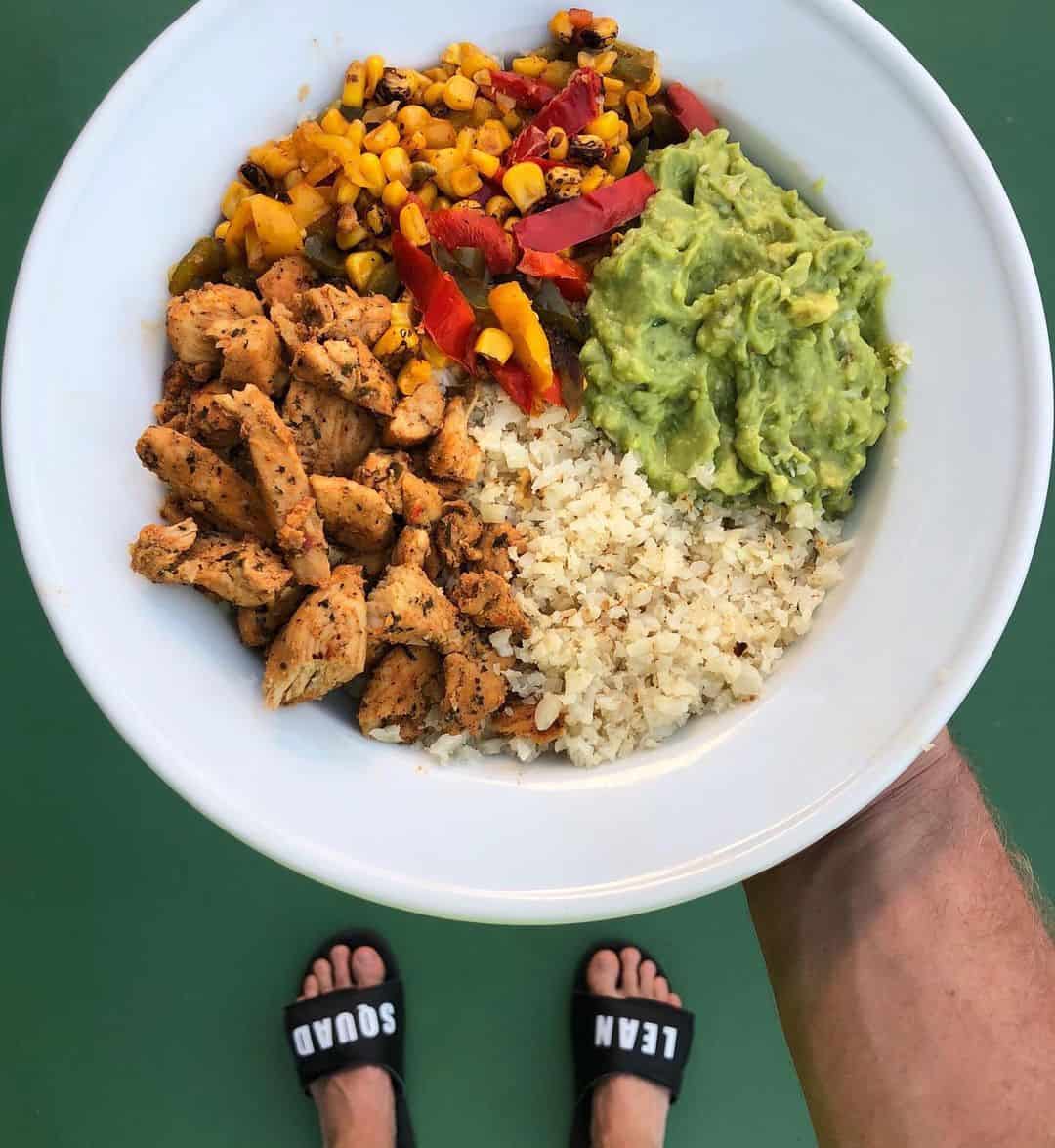
Our Top Pick
Clean Eatz Kitchen Weight Loss Meal Plan
Chef-prepared, portion-controlled meals designed for real weight loss results. No cooking required. No calorie counting. Just fresh food that works.
View on AmazonHow Does the Cardiac Diet Work?
The cardiac diet works by reducing sodium, saturated fat, and inflammation simultaneously. Sodium reduction lowers blood volume. Lower blood volume decreases the pressure arterial walls must withstand. Saturated fat reduction slows LDL plaque accumulation in those same walls.
Here’s where it gets interesting: soluble fiber from oats, beans, and flaxseed binds to bile acids in the digestive tract. The liver draws on LDL cholesterol to replace those lost bile acids. That process directly lowers circulating LDL blood levels. Your food is doing the biological heavy lifting.
And it gets better. Omega-3 fatty acids in salmon and mackerel reduce triglycerides and suppress inflammatory cytokines. Why does that matter? The American Heart Association identifies cytokine suppression as a key mechanism against arterial wall damage.
What Foods Can You Eat on the Cardiac Diet?
Approved foods include fruits, vegetables, whole grains, legumes, fatty fish, and lean poultry. Low-fat dairy, nuts, seeds, and olive oil round out the list. These foods provide fiber, unsaturated fats, potassium, and antioxidants that protect cardiovascular function.
In fact, each food group targets a different piece of the cardiovascular puzzle. Leafy greens contain dietary nitrates that lower blood pressure. Berries deliver anthocyanins that reduce arterial stiffness. Tomatoes provide lycopene, which research links to lower LDL oxidation.
Whole grains provide 3-5 grams of fiber per serving. Consistent whole grain intake is linked to a 20-30% lower risk of cardiovascular disease in long-term cohort studies involving tens of thousands of participants. That’s not a small effect.
Heart-Healthy Foods to Include:
- Leafy greens (spinach, kale, arugula)
- Berries (blueberries, strawberries, raspberries)
- Fatty fish (salmon, mackerel, sardines)
- Whole grains (oats, brown rice, quinoa)
- Legumes (lentils, chickpeas, black beans)
- Nuts and seeds (walnuts, flaxseed, chia seeds)
- Olive oil
What Foods Should You Avoid on the Cardiac Diet?
Foods to restrict include processed meats, fried foods, full-fat dairy, and packaged snacks high in sodium. Trans fats, refined sugars, and alcohol above moderate limits also belong on the avoid list. Each of these categories directly elevates cardiovascular risk through distinct biological pathways.
Here’s the part most people miss: trans fats raise LDL cholesterol and lower HDL cholesterol at the same time. That double effect accelerates plaque buildup. The FDA banned partially hydrogenated oils (the main trans fat source) in 2018, but trace amounts remain in some packaged foods.
Bread, canned soups, condiments, and deli meats are among the top sodium sources in the American diet. A single serving of canned soup often contains 400-900 mg of sodium. Reading nutrition labels before purchase is the most effective defense against hidden sodium.
Foods to Avoid on the Cardiac Diet:
- Processed meats (bacon, deli meat, sausage)
- Fried foods (french fries, fried chicken)
- Full-fat dairy (butter, whole milk, cream cheese)
- Packaged snacks (chips, crackers, canned soups)
- Refined sugars (soda, pastries, candy)
- Trans fats (partially hydrogenated oils)
What Are the Benefits of the Cardiac Diet?
The cardiac diet reduces major cardiovascular events by 20-35% with consistent adherence. Large-scale epidemiological studies support this figure across diverse populations. Heart attacks and strokes are the primary events this dietary pattern protects against.
This is important: diets rich in fruits, vegetables, and omega-3 fatty acids lower C-reactive protein (CRP). CRP is a direct marker of systemic inflammation. Lower CRP levels correlate with slower cardiovascular disease progression in long-term follow-up studies. For those looking for a structured weight loss program that also supports heart health, the cardiac diet principles align directly with clinically validated approaches.
Does the Cardiac Diet Lower Cholesterol?
Yes. The cardiac diet reduces LDL cholesterol by 10-20% within 6-8 weeks. This requires replacing saturated fat with unsaturated fat and increasing soluble fiber intake. The American Heart Association identifies both interventions as evidence-based cholesterol reduction strategies.
And here is the best part: mono- and polyunsaturated fats from olive oil, avocado, and nuts maintain or modestly raise HDL cholesterol. Higher HDL supports reverse cholesterol transport. Does that actually matter? It moves excess cholesterol out of arterial walls and back to the liver for excretion. That’s the cardiovascular cleanup system working in your favor.
Can the Cardiac Diet Reduce Blood Pressure?
Yes. Reducing sodium intake from 3,400 mg to 1,500 mg per day lowers systolic blood pressure by an average of 5-6 mmHg in most adults. Hypertensive individuals often see larger reductions because their cardiovascular system is more sensitive to sodium changes.
The DASH diet version of the cardiac diet reduced systolic blood pressure by 11 mmHg in controlled clinical trials. Is 11 mmHg significant? That result is comparable to first-line antihypertensive medications in patients with stage 1 hypertension. Food achieving what drugs typically accomplish.
Blood Pressure Reduction Comparison:
| Intervention | Systolic BP Reduction |
|---|---|
| Sodium reduction (to 1,500 mg/day) | 5-6 mmHg |
| DASH diet (full protocol) | 11 mmHg |
| First-line antihypertensive medication | 10-15 mmHg |
What Are the Risks of the Cardiac Diet?
The cardiac diet carries minimal risk when followed within recommended sodium ranges. Sodium restriction below 1,000 mg per day can cause electrolyte imbalance in some patients. Very low-fat versions may reduce absorption of fat-soluble vitamins A, D, E, and K without adequate compensating fat intake.
Pay attention to this: high-potassium foods common on the cardiac diet (bananas, potatoes, leafy greens) can interfere with ACE inhibitors and potassium-sparing diuretics. Hyperkalemia (elevated blood potassium) is the specific risk. Physician supervision is essential for patients on these medication classes.
Who Should Avoid the Cardiac Diet?
Individuals with kidney disease often require potassium restriction that conflicts with standard cardiac diet guidelines. Patients on warfarin need consistent vitamin K intake rather than the increased leafy green consumption the cardiac diet encourages. Certain metabolic disorders require individualized macronutrient targets that a standard cardiac diet cannot accommodate.
The reason is simple: anyone with existing cardiovascular disease, diabetes, or hypertension should consult a physician or registered dietitian before starting. Medical supervision prevents unintended medication interactions and ensures the plan aligns with individual health status. Don’t skip this step.
What Are Common Mistakes on the Cardiac Diet?
Salt substitutes replace sodium with potassium chloride, which creates a hyperkalemia risk for patients on ACE inhibitors or potassium-sparing diuretics. Many cardiac diet followers use these substitutes without informing their physician. Approval from a doctor before switching is not optional for medicated patients.
To be clear: packaged bread, canned beans, condiments, and restaurant meals account for 70% of sodium intake in the typical American diet. These sources don’t taste notably salty. Cooking at home and reading nutrition labels removes the primary mechanism of hidden sodium accumulation.
Butter, coconut oil, and full-fat cheese are high in saturated fat but frequently overlooked during home cooking. Switching to olive oil and avoiding cream-based sauces eliminates two of the most common sources of excess saturated fat in otherwise healthy cardiac diets. Small swaps. Large cardiovascular impact.
Common Cardiac Diet Mistakes to Avoid:
- Using salt substitutes without doctor approval (hyperkalemia risk)
- Ignoring hidden sodium in packaged and restaurant foods
- Cooking with butter or coconut oil instead of olive oil
- Eating processed ‘low-fat’ foods that are high in sodium and sugar
- Skipping physician consultation before starting if on medication
How Long Does the Cardiac Diet Take to Show Results?
Blood pressure changes appear within 2-4 weeks of consistent sodium restriction. Cholesterol improvements require 6-12 weeks of adherence to reflect in standard lipid panel lab tests. The two timelines differ because sodium affects blood volume quickly, while cholesterol metabolism operates on a longer cycle.
So what does that mean for you? Studies following participants for 5-10 years show sustained heart-healthy eating reduces cardiovascular mortality by up to 30%. Benefits compound over time. A decade of consistent adherence delivers outcomes that short-term dietary efforts simply cannot replicate. Our coaches at Optimal Weight Plan see this pattern consistently among clients who commit to the long game.
What Results Can You Expect from the Cardiac Diet?
Within 3 months, consistent followers typically see a 5-15 mmHg drop in systolic blood pressure and a 10-20% reduction in LDL cholesterol. Measurable reductions in C-reactive protein (CRP) also occur within this timeframe. These three markers are the standard clinical indicators of improved cardiovascular health.
The cardiac diet naturally reduces caloric density by eliminating processed foods. Most adherents lose 1-2 pounds (0.5-0.9 kg) per week without formal calorie counting. Weight loss in the 5-10% range further reduces blood pressure and improves insulin sensitivity. Two outcomes from one dietary shift.
Expected Results Timeline:
| Timeframe | Expected Result |
|---|---|
| 2-4 weeks | Blood pressure begins to decrease |
| 6-8 weeks | LDL cholesterol drops 10-20% |
| 3 months | CRP (inflammation) measurably lower, weight loss of 6-12 lbs (2.7-5.4 kg) |
| 5-10 years | Cardiovascular mortality risk reduced by up to 30% |
Want Your Free Cardiac Diet Action Plan from Our OPTAVIA Coaches?
You have the science. Now you need the plan. Our Independent OPTAVIA Coaches at Optimal Weight Plan put together a free personalized cardiac diet protocol built around your sodium targets, medication profile, and real daily life. Don’t guess your way to heart health. Get the exact framework sent straight to your inbox.
Research shows individuals with dietary coaching are 2-3 times more likely to sustain heart-healthy eating long-term. Accountability changes everything. Without it, most people return to previous habits within 90 days regardless of initial motivation. You don’t have to be one of them.
Coaches at Optimal Weight Plan review individual health backgrounds, current medications, and dietary preferences before building a cardiac diet protocol. That review prevents food-medication interaction risks. The resulting plan fits daily life rather than requiring a complete lifestyle overhaul from day one.
Regular check-ins, meal plan adjustments, and progress tracking ensure dietary changes become sustainable habits. Short-term experiments fade. Structured follow-up converts a 6-week improvement into a multi-year cardiovascular protection strategy. That’s the Optimal Weight Plan difference.
Our Top Pick
Clean Eatz Kitchen Weight Loss Meal Plan
Chef-prepared, portion-controlled meals designed for real weight loss results. No cooking required. No calorie counting. Just fresh food that works.
View on Amazon