A candida cleanse is a dietary protocol designed to reduce Candida albicans yeast overgrowth in the gut. It removes sugar and refined carbs while adding probiotics and antifungal foods to restore healthy microbial balance.
Candida overgrowth triggers symptoms ranging from bloating and fatigue to brain fog and recurring yeast infections. A well-structured cleanse removes candida’s primary fuel, rebuilds beneficial bacteria, and supports the body’s detox pathways. Antifungal foods like garlic and coconut oil create an inhospitable gut environment for yeast. Probiotics deliver the microbial competition that keeps candida in check long-term.
Research supports a balanced whole-foods approach over extreme restriction. This guide covers what causes candida overgrowth, how the cleanse works, what to eat, which supplements help, and what results to expect at each phase of the protocol.
What Is a Candida Cleanse?
A candida cleanse is a dietary strategy to reduce yeast overgrowth. It focuses on removing sugar, refined carbs, and pro-inflammatory foods while adding gut-supportive nutrition. The goal is to restore microbial balance, not eliminate all candida.
Here’s what most people get wrong. Candida albicans is a naturally occurring yeast in the digestive tract. It only becomes a problem when it grows out of control and disrupts microbial balance. A healthy gut keeps candida levels in check through competition, not elimination.
So a well-designed cleanse restores that competition through food, lifestyle adjustments, and targeted supplements. It avoids the extreme restriction seen in outdated protocols. The focus is on creating conditions for long-term microbiome recovery.
What Causes Candida Overgrowth?
Antibiotic use is the most common trigger for candida overgrowth. Antibiotics kill beneficial bacteria that normally keep yeast in check, allowing candida to proliferate rapidly across the gut lining.
And here’s the kicker. A high-sugar diet supplies candida’s primary fuel. Candida feeds on glucose. Diets rich in refined sugars and simple carbohydrates accelerate yeast proliferation in ways a balanced diet simply does not.
A weakened immune system removes the body’s natural defense against overgrowth. Immunosuppressant medications, chronic stress, and conditions such as HIV each increase candida overgrowth risk significantly.
What Are the Symptoms of Candida Overgrowth?
Candida overgrowth produces both digestive and systemic symptoms. Bloating, gas, constipation, and diarrhea are the most common gut-level signs. These symptoms appear when yeast disrupts the normal microbial environment of the intestines.
But the symptoms don’t stop in the gut. Chronic fatigue, brain fog, intense sugar cravings, skin rashes, and recurring yeast infections are frequently reported by people with elevated candida levels. Sound familiar? Many people live with these symptoms for years without connecting them to gut yeast.
Oral thrush is a direct physical marker of candida overgrowth. White patches in the mouth or on the tongue indicate candida has moved beyond the gut. Skin fungal infections in warm, moist areas are an additional external sign.
Common Symptoms:
- Bloating and digestive discomfort
- Chronic fatigue and brain fog
- Intense sugar cravings
- Recurring vaginal or skin yeast infections
- Oral thrush (white mouth patches)
- Skin rashes in warm or moist areas
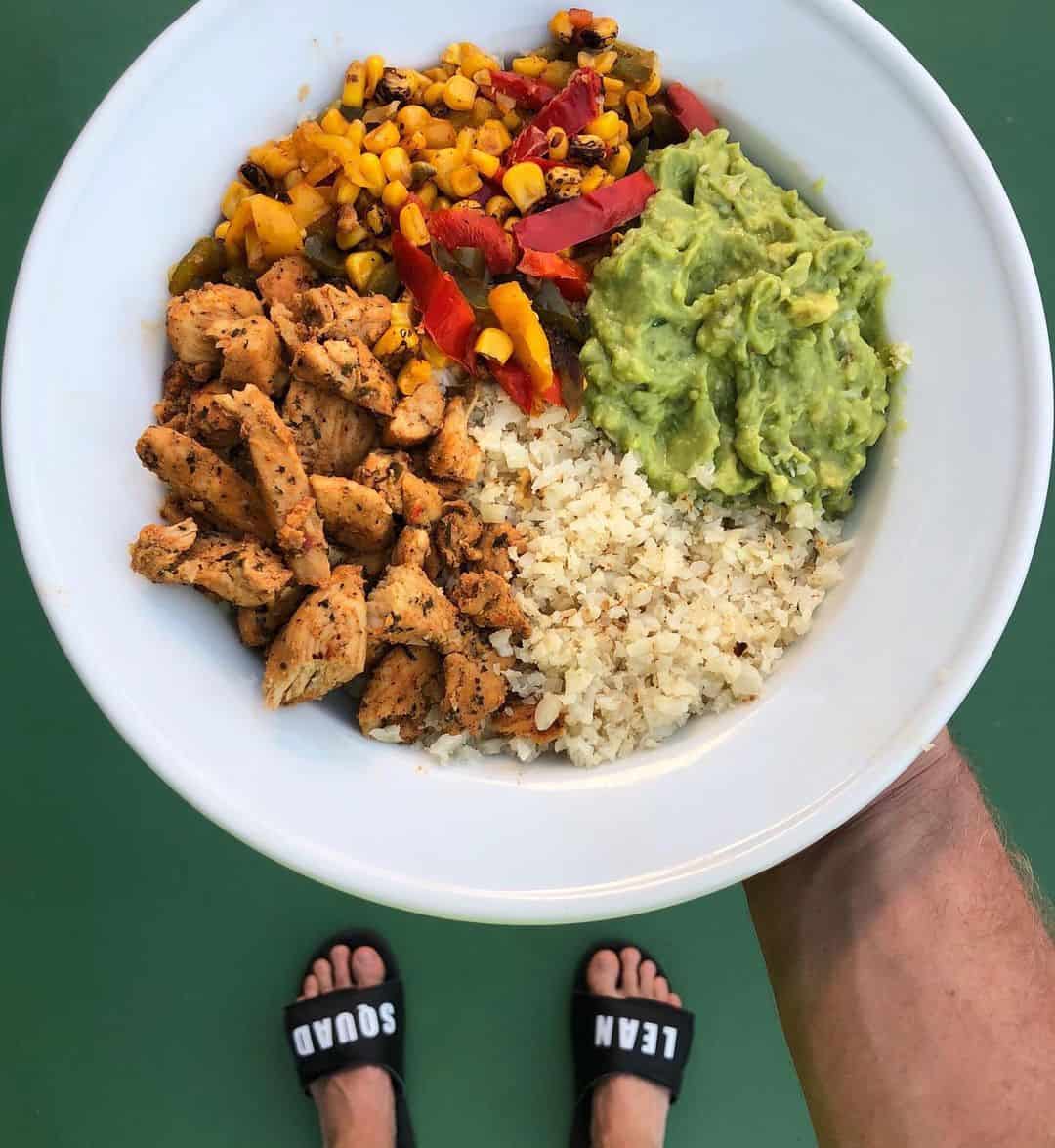
Our Top Pick
Clean Eatz Kitchen Weight Loss Meal Plan
Chef-prepared, portion-controlled meals designed for real weight loss results. No cooking required. No calorie counting. Just fresh food that works.
View on AmazonHow Does a Candida Cleanse Work?
A candida cleanse removes candida’s primary fuel while rebuilding microbial competition. Eliminating sugar and refined carbohydrates cuts off the yeast’s energy supply. Adding probiotics and antifungal foods restores healthy bacterial populations that crowd out candida naturally.
This is important. Probiotic supplementation is a core mechanism. Lactobacillus strains show the strongest clinical evidence for reducing candida load. These beneficial bacteria compete with candida for space and nutrients along the gut lining.
What Foods Does a Candida Cleanse Cut Out?
A candida cleanse diet eliminates foods that feed yeast and drive gut inflammation. Sugar, alcohol, refined carbohydrates, most conventional dairy, and gluten-containing grains are removed during the cleanse period. Each of these foods either feeds candida directly or compromises the gut barrier.
Sugar restriction is the most critical step. Without glucose as fuel, candida growth slows measurably. Stricter protocols also limit fructose from fruit during the first two to four weeks of the initial cleanse phase.
Foods to Remove:
- Added sugars and sweeteners
- Refined carbohydrates (white bread, pasta, pastries)
- Alcohol
- Most conventional dairy products
- Gluten-containing grains
- Fermented foods with added vinegar (in the initial phase)
What Foods Support a Candida Cleanse?
Antifungal foods create an inhospitable environment for candida in the gut. Garlic contains allicin, a compound with documented antifungal properties. Coconut oil provides caprylic acid, which disrupts candida’s cell membrane. Apple cider vinegar alters gut pH in ways that reduce yeast growth.
Non-starchy vegetables form the dietary foundation. Leafy greens, broccoli, cucumber, and zucchini deliver fiber and micronutrients without providing sugars that feed yeast. These vegetables also feed beneficial gut bacteria. Win-win.
Fermented foods with naturally occurring live cultures support microbiome restoration. Unsweetened kefir, sauerkraut, and kimchi introduce Lactobacillus and Bifidobacterium strains. That’s the kind of microbial competition that crowds out candida over time.
Foods to Include:
- Garlic, onions, and leeks
- Coconut oil and coconut products
- Non-starchy vegetables (leafy greens, broccoli, zucchini)
- Lean proteins (chicken, fish, eggs)
- Unsweetened fermented foods (kefir, sauerkraut, kimchi)
- Seeds, nuts, and avocado
What Are the Benefits of a Candida Cleanse?
A candida cleanse delivers improvements across digestion, energy, and immune function. Reported benefits include reduced bloating, fewer recurring yeast infections, clearer skin, improved energy, and reduced brain fog. These outcomes reflect the downstream effects of a rebalanced gut microbiome.
And here is the best part. Gut microbiome diversity improves when pro-inflammatory foods are removed and probiotic-rich foods are added. A more diverse microbiome supports stronger immune regulation and better long-term digestive health outcomes.
Does a Candida Cleanse Improve Gut Health?
Yes. A candida cleanse reduces gut inflammation and improves microbiome diversity. Eliminating sugar and processed foods removes the primary triggers of intestinal inflammation. Adding fiber-rich vegetables feeds beneficial bacteria and strengthens the gut barrier.
Fermented foods and probiotic supplements introduce Lactobacillus and Bifidobacterium strains directly. These strains compete with candida for gut space and nutrients. Does that mean probiotics matter more than diet? In clinical evidence, yes. Probiotic effectiveness data is stronger than dietary restriction data for reducing candida load.
Can a Candida Cleanse Reduce Fatigue?
Yes. A candida cleanse can reduce fatigue by lowering toxic metabolic byproduct load. Candida produces acetaldehyde and other compounds that burden the liver and contribute to chronic tiredness. Reducing yeast overgrowth lowers production of these fatigue-inducing substances.
Blood sugar stabilization also plays a role. The low-sugar foundation of the cleanse diet prevents the energy spikes and crashes associated with high-carbohydrate eating. Stable blood glucose supports sustained energy throughout the day. Our coaches at Optimal Weight Plan see this shift in energy consistently once clients stabilize their blood sugar in the first two weeks.
How Do You Start a Candida Cleanse?
A candida cleanse starts with diet changes before adding any supplements. Begin by clearing trigger foods from the pantry and planning meals around non-starchy vegetables and lean proteins. Introduce probiotics in week one before moving to antifungal supplements in week three or four.
Now here is the thing. A gradual approach matters. Starting too aggressively can trigger severe die-off reactions, where candida releases toxins as it dies. A phased protocol minimizes these reactions and makes the cleanse sustainable for the full duration needed to see lasting results.
What Should You Eat on a Candida Cleanse?
A candida cleanse meal plan centers on lean protein, non-starchy vegetables, and healthy fats. Breakfast options include coconut milk chia pudding or eggs with greens. Lunch focuses on vegetable soups or salads with olive oil. Dinner features baked chicken or fish with steamed broccoli or zucchini.
Hydration is a non-negotiable part of the protocol. Drinking 2 to 3 liters (68 to 100 ounces) of water daily supports kidney and lymphatic detox pathways. Adequate hydration helps the body flush candida die-off byproducts efficiently. Most people underestimate how much this matters.
Herbal teas provide antifungal support between meals. Pau d’arco and calendula teas have documented antifungal properties. These teas support the detox process without adding sugar or calories to the cleanse. For a structured weight loss program that complements a candida cleanse, our team at Optimal Weight Plan recommends pairing meal structure with the protocol for faster results.
What Supplements Help During a Candida Cleanse?
Probiotic supplements are the first-line supplement in any candida cleanse protocol. Lactobacillus acidophilus and Bifidobacterium strains are introduced first to re-establish gut flora. Antifungal supplements are added only after probiotics have had two to four weeks to establish in the gut.
Natural antifungal supplements come in the second phase. Caprylic acid derived from coconut oil, oregano oil, and berberine are the most commonly used natural antifungals. Each targets candida’s cell structure through different mechanisms, reducing the risk of resistance.
Digestive enzyme supplements provide additional support. Proteolytic enzymes help break down candida’s protective biofilm layer. A biofilm is candida’s shield. Enzymes remove that shield, making yeast cells more vulnerable to the antifungals already in the protocol.
Supplement Protocol by Phase:
| Phase | Supplement | Purpose |
|---|---|---|
| Week 1-2 | Probiotics (Lactobacillus, Bifidobacterium) | Restore gut flora |
| Week 3-4 | Caprylic acid, oregano oil, berberine | Antifungal action |
| Ongoing | Digestive enzymes | Break down biofilm |
Does a Candida Cleanse Work?
Yes. A candida cleanse reduces yeast overgrowth when built on a whole-foods foundation. One clinical study demonstrated that people with candida overgrowth improved on a balanced whole-foods diet that included moderate fruit and grain intake. Extreme restriction is not necessary for results.
Highly restrictive cleanse versions have limited randomized controlled trial support. Functional medicine practitioners favor a balanced approach over extreme elimination. The evidence base is stronger for probiotic use combined with dietary changes than for diet alone.
What Does the Research Say About Candida Cleanses?
Research on candida cleanses shows strongest support for probiotic intervention. Multiple studies confirm that Lactobacillus strains reduce vaginal and gut candida levels. Probiotic evidence is more robust than dietary restriction evidence in clinical settings.
Sugar restriction has a well-documented mechanistic basis. Candida depends on glucose for growth and proliferation. Studies consistently show that reducing dietary sugar intake lowers candida proliferation markers in gut flora analysis. So, the dietary mechanism is real. The research simply does not support extreme restriction as superior to moderate reduction.
Phased clinical protocols show consistent improvement in practice. The approach of starting with diet changes, then probiotics, then targeted antifungals reports reliable symptom resolution in clinical observation. The Ruscio Institute’s protocol is one widely referenced example. It is not based on a single RCT. It is based on years of clinical iteration with real patients.
Want Your Free Candida Cleanse Action Plan from Our OPTAVIA Coaches?
You have the science. Now you need the plan. Get the exact step-by-step candida cleanse protocol our Independent OPTAVIA Coaches at Optimal Weight Plan put together, sent straight to the inbox. Don’t guess the way to results. A personalized protocol accounts for individual health history, prior antibiotic use, and dietary preferences. Generic cleanses do not. The coaches at Optimal Weight Plan build plans that avoid the common pitfalls of over-restriction and die-off symptom crashes. Get the free action plan and start the cleanse the right way.
Our Top Pick
Clean Eatz Kitchen Weight Loss Meal Plan
Chef-prepared, portion-controlled meals designed for real weight loss results. No cooking required. No calorie counting. Just fresh food that works.
View on Amazon