
Milk sits in a gray zone on the carnivore diet. It is technically animal-derived and rich in protein, fat, and calcium, but its lactose content introduces carbohydrates that conflict with strict carnivore protocols. Most followers avoid milk entirely and opt for lower-carb dairy alternatives.
The carnivore diet runs on meat, fish, eggs, and animal fats with no plant foods allowed. Milk is technically animal-based, but each cup delivers about 12 grams of lactose. That carb load raises insulin and can interrupt ketosis. Strict carnivore plans cut milk completely. Modified versions sometimes permit small amounts of full-fat or raw milk.
This guide breaks down the science behind milk on the carnivore diet, how lactose affects fat-burning and ketosis, and which dairy products work across strict and modified carnivore plans. By the end, readers will have a clear framework for deciding what belongs in their protocol.
What Is the Carnivore Diet?
The carnivore diet is an all-animal elimination protocol. It removes every plant food from the diet, including vegetables, grains, legumes, and fruit. Followers eat beef, fish, eggs, organ meats, and animal fats exclusively. The goal is to reduce chronic inflammation, improve insulin sensitivity, and return nutrition to its most ancestral foundation.
Origins trace back to indigenous and ancestral eating patterns. Dr. Shawn Baker helped popularize the modern version through athletic performance claims and reported health transformations. Early adopters documented dramatic improvements in autoimmune conditions, mental clarity, and body composition within weeks of eliminating all plant foods. Is it extreme? By conventional nutrition standards, yes. Does it produce results? The data and the before-and-after reports say it does.
What Foods Are Allowed on the Carnivore Diet?
Permitted foods on carnivore center on ruminant meats, poultry, seafood, eggs, and organ meats. Beef, lamb, bison, and venison form the core of most plans. Organ meats like liver and kidney deliver the highest micronutrient density on the entire diet. Animal fats including tallow, lard, and butter are permitted across nearly all versions of the protocol.
Dairy sits in a contested zone. Hard, aged cheeses and heavy cream are low in lactose and widely accepted. Milk, yogurt, and cottage cheese carry higher carb loads and remain debated. Salt and water are the only universal additions, regardless of how strict the version a follower chooses.
Carnivore-Approved Foods:
- Beef, lamb, bison, venison, pork
- Poultry: chicken, turkey, duck
- Seafood: salmon, sardines, shrimp, oysters
- Organ meats: liver, kidney, heart
- Eggs (whole)
- Animal fats: tallow, lard, butter, ghee
- Hard aged cheeses (on moderate carnivore versions)
How Does the Carnivore Diet Work for Weight Loss?
The carnivore diet drives weight loss by eliminating carbohydrates and triggering nutritional ketosis. Without dietary carbs, insulin levels fall sharply. Low insulin signals the body to release stored fat as its primary fuel source. Protein and fat together deliver powerful satiety, reducing total calorie intake without the need for tracking or rigid portion control.
Fat oxidation accelerates during ketosis. The liver converts fatty acids into ketone bodies, which fuel the brain and muscles in the absence of glucose. Hunger tends to drop dramatically in the first two weeks. Why does that happen? Ketogenic states suppress appetite hormones, including ghrelin, more effectively than high-carbohydrate diets do.
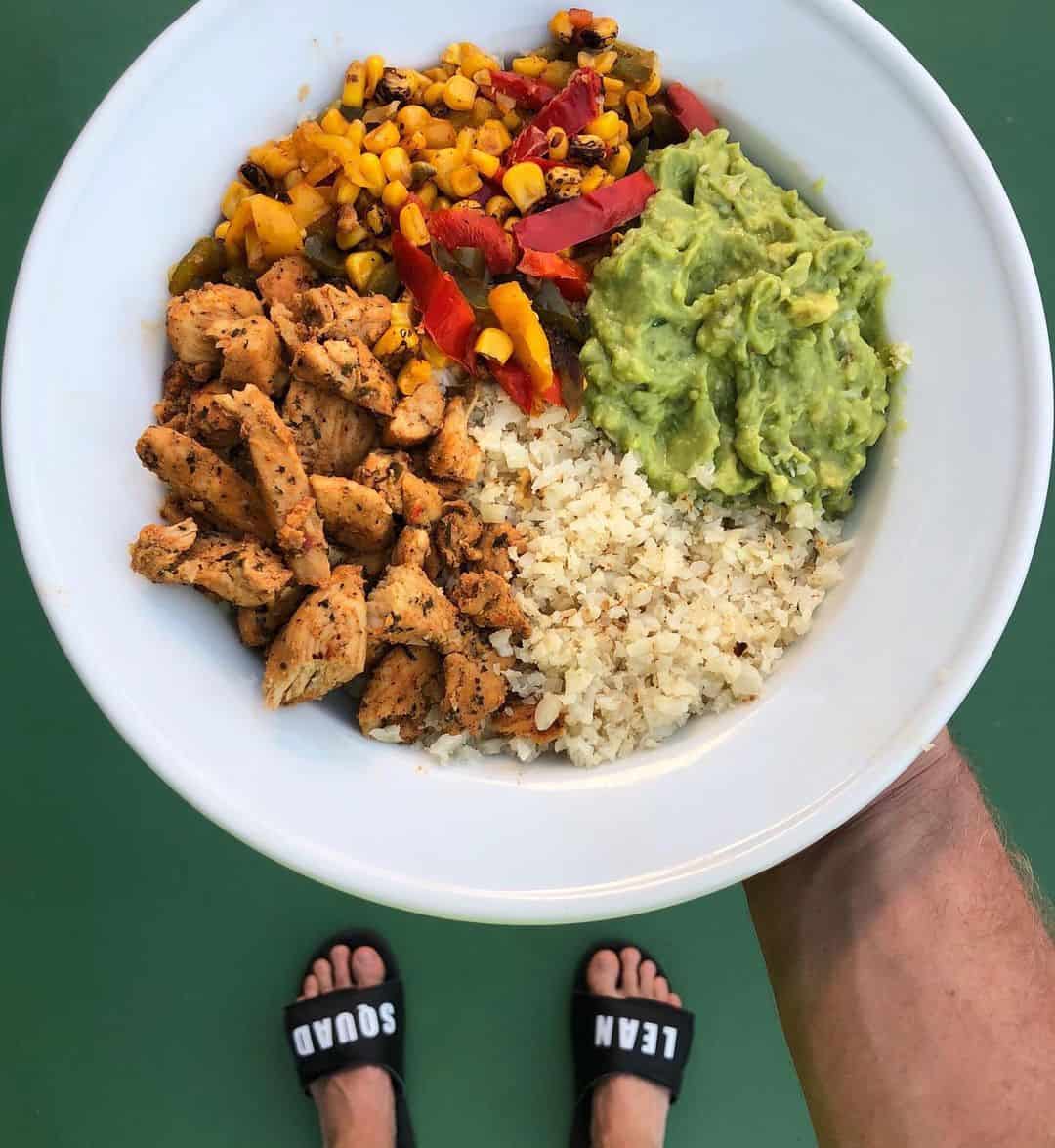
Our Top Pick
Clean Eatz Kitchen Weight Loss Meal Plan
Chef-prepared, portion-controlled meals designed for real weight loss results. No cooking required. No calorie counting. Just fresh food that works.
View on AmazonCan You Have Milk on the Carnivore Diet?
Milk on the carnivore diet is a contested inclusion that depends entirely on which version of the protocol a dieter follows. Strict carnivore plans exclude it because of its lactose content. Modified carnivore plans sometimes permit small amounts of full-fat or raw milk. Individual tolerance and specific health goals ultimately determine the right answer for each person.
Here’s the thing: three beverages appear on most carnivore-approved lists. Water, bone broth, and milk. Milk qualifies because it is animal-derived. But carnivore purists flag lactose content as a disqualifying factor in strict elimination or fat-loss protocols. The community has been split on this one for years, and for good reason.
Is Milk Considered Carnivore Friendly?
Yes. Milk does qualify as an animal-derived food and technically satisfies the foundational rule of the carnivore diet. Cow’s milk originates entirely from animal biology. Through the same reasoning that permits eggs and aged cheese, milk passes the basic carnivore filter. The real debate centers on its carbohydrate content, not its animal origin.
One cup of whole milk delivers approximately 12 grams of lactose. Lactose is a disaccharide, a natural sugar found exclusively in mammalian milk. For dieters targeting zero-carb or near-zero-carb intake, those 12 grams matter. Does that automatically rule milk out? Not necessarily. But it does shift the conversation away from ‘is it carnivore?’ toward ‘does it serve your specific goals?’
Milk on Carnivore: Quick Reference
| Carnivore Version | Milk Allowed? | Reason |
|---|---|---|
| Strict / Lion Diet | No | Ruminant meat, salt, and water only |
| Standard Carnivore | Debated | Lactose content is the primary concern |
| Modified Carnivore | Yes (small amounts) | Full-fat or raw milk sometimes tolerated |
| Ketovore | Limited | Ketosis thresholds take priority over inclusion |
Why Do Most Carnivore Dieters Avoid Milk?
Most carnivore followers avoid milk because its lactose content conflicts directly with zero-carb targets. One cup of whole milk delivers 12 grams of carbohydrates from lactose. Strict carnivore protocols aim for near-zero carb intake. That 12-gram load raises insulin and interrupts the ketotic state that supports consistent fat loss and metabolic clarity.
A second concern is individual lactose tolerance. Many adults have reduced lactase enzyme activity and cannot fully digest lactose. Undigested lactose ferments in the colon. What does fermentation cause? Bloating, gas, and loose stools. For an elimination diet designed to identify food sensitivities, milk is a common first suspect to pull out of the protocol entirely.
Additive content in commercial milk is a third objection. Conventional milk may contain residual hormones, antibiotics, and processing agents that purists consider incompatible with a clean carnivore approach. These concerns decrease with raw or organic whole milk but remain relevant for the most restrictive followers of the protocol.
Main Reasons Carnivore Dieters Skip Milk:
- 12 grams of lactose per cup disrupts zero-carb targets
- Lactose raises insulin and can interrupt ketosis
- Lactase deficiency causes digestive distress in many adults
- Commercial milk may contain hormones and additives
- Strict elimination protocols require removing all potential triggers
What Does Science Say About Milk and Ketosis?
Research on milk and ketosis shows a direct link between lactose intake and insulin secretion. Lactose breaks down into glucose and galactose during digestion. Both sugars trigger an insulin response. Studies confirm that carbohydrate intake above 20 grams per day exits most adults from nutritional ketosis. One cup of milk delivers 12 of those grams in a single serving.
A 2020 review published in Nutrients found that low-carbohydrate diets suppress appetite hormones and accelerate fat oxidation more effectively than calorie-restricted diets alone. Adding moderate carbohydrate sources like milk can blunt these metabolic adaptations. Is that a problem? For someone in active fat loss on carnivore, yes. Slowing the metabolic shift defeats the primary purpose of the protocol.
Does Milk Knock You Out of Ketosis on Carnivore?
Yes. Milk does carry enough lactose to disrupt ketosis in most strict carnivore followers. One cup contains 12 grams of carbohydrates. For those maintaining ketosis at 20 grams or fewer per day, a single glass consumes 60 percent of that entire carb budget. Insulin rises in response to lactose and signals the body to pause fat oxidation until blood glucose clears.
Individual metabolic flexibility varies. Some adults tolerate 30 to 50 grams of daily carbohydrates while remaining in mild ketosis. Does that mean milk is safe for them? Possibly. Blood ketone testing with a meter is the only reliable method for establishing where personal thresholds actually sit. Guessing is not a strategy when fat loss is the goal.
What Are the Benefits of Raw Milk on Carnivore Diet?
Raw milk delivers a nutrient profile that pasteurized milk cannot fully match. Pasteurization applies heat above 72 degrees Celsius (161 degrees Fahrenheit), which degrades heat-sensitive enzymes and reduces vitamin C and B6 levels. Raw milk retains these compounds intact and delivers a more complete nutritional and digestive profile. In fact, this is exactly why raw milk advocates argue so strongly for its inclusion on any animal-based diet.
Raw milk also contains active lactase enzyme produced by the cow itself. This native enzyme assists in breaking down lactose before it reaches the large intestine. Some lactose-intolerant individuals report better tolerance of raw milk. Is that a coincidence? No. The enzymatic activity reduces the undigested lactose load reaching the colon, which is the primary cause of dairy-related digestive distress.
Fat-soluble vitamin content is a third measurable advantage. Raw whole milk from pasture-raised cows contains higher concentrations of vitamin K2, vitamin A, and conjugated linoleic acid (CLA). CLA is a natural fatty acid associated with improved body composition and reduced body fat storage in controlled research settings. The source and feeding method of the cow matters as much as the processing approach.
Is Raw Milk Better Than Pasteurized Milk on Carnivore?
Raw milk is the preferred option for carnivore dieters who prioritize nutrient density. It retains active enzymes, beneficial bacteria, and fat-soluble vitamins that heat processing destroys. Pasture-raised cows produce raw milk with two to five times more omega-3 fatty acids than conventional grain-fed equivalents. Both the processing method and the cow’s feeding conditions determine the nutritional outcome.
Pasteurized milk remains the safer choice from a food safety standpoint. Heat treatment eliminates potentially harmful pathogens including Salmonella, Listeria, and E. coli. Raw milk carries a higher microbial risk, particularly for immunocompromised individuals, pregnant women, and young children. This is a real risk-benefit trade-off that requires honest personal evaluation before making a choice.
What Can You Drink Instead of Milk on Carnivore?
The best milk alternatives on carnivore are heavy cream, bone broth, and water. Each provides animal-derived nutrition without milk’s carbohydrate load. Heavy cream contains less than 1 gram of carbs per tablespoon and substitutes effectively in coffee and cooking. Bone broth supplies collagen, electrolytes, and minerals without disrupting ketosis or zero-carb targets.
Water is the foundational beverage across all carnivore versions. Adequate hydration supports kidney function, digestion, and electrolyte balance, especially during the first weeks when the body transitions from glucose to fat as its primary fuel source. Most practitioners recommend at least 2 liters (67 ounces) of water daily during the adaptation phase to minimize fatigue and cramping.
Carnivore-Approved Beverages:
- Water (always permitted on all carnivore versions)
- Bone broth (collagen, electrolytes, minerals)
- Heavy cream (less than 1g carbs per tablespoon)
- Raw milk (if tolerated and protocol allows)
- Full-fat or lactose-free milk (modified carnivore only)
Which Dairy Products Are Low-Carb and Carnivore Approved?
Low-carb dairy on carnivore centers on hard aged cheeses, heavy cream, and butter. The aging and fermentation process in hard cheeses breaks down most of the lactose, reducing carbohydrate content to near zero. Heavy cream contains less than 1 gram of carbs per tablespoon. Butter and ghee are virtually carbohydrate-free and fit every version of the carnivore protocol without question.
Soft cheeses, cottage cheese, and yogurt contain higher residual lactose and require moderation on modified carnivore plans. Full-fat versions are always preferred over reduced-fat options to improve the carb-to-fat ratio. For those who want a structured weight loss program to complement the carnivore lifestyle, pairing the protocol with professional guidance consistently accelerates results.
Low-Carb Dairy Options for Carnivore:
- Butter and ghee (0g carbs per serving)
- Heavy cream (less than 1g carbs per tablespoon)
- Hard aged cheeses: cheddar, parmesan, gouda (less than 1g per ounce)
- Lactose-free milk (reduced carbs compared to regular milk)
- Full-fat plain yogurt (use sparingly on modified carnivore only)
Want Your Free Carnivore Diet Action Plan from Our OPTAVIA Coaches?
Getting started on carnivore without guidance leads to preventable mistakes and inconsistent results. Knowing which foods to include, when to reintroduce dairy, and how to track ketosis requires a structured plan. The team at Optimal Weight Plan has helped hundreds of clients navigate these exact decisions with a personalized protocol built by experienced Independent OPTAVIA Coaches who specialize in animal-based nutrition.
You have the science. Now you need the plan. Get the exact protocol our Independent OPTAVIA Coaches at Optimal Weight Plan put together, delivered straight to your inbox. It’s specific, it’s proven, and it takes the guesswork out of every food decision on carnivore. Don’t keep experimenting without a roadmap.
How Can Optimal Weight Plan Help You Succeed on Carnivore?
Optimal Weight Plan coaches build individualized carnivore protocols based on each client’s goals, health history, and food tolerances. Whether the target is fat loss, autoimmune management, or full metabolic reset, coaches map a step-by-step plan with clear milestones. Clients receive accountability check-ins and specific guidance on which dairy products to include or exclude at each stage of the protocol.
Support from experienced coaches reduces the trial-and-error period that self-guided carnivore dieters typically face. Our team at Optimal Weight Plan uses evidence-based frameworks combined with real client data to shorten the learning curve measurably. The free action plan is the first step toward a protocol built specifically for individual metabolic needs, not a generic template that ignores personal history.
Our Top Pick
Clean Eatz Kitchen Weight Loss Meal Plan
Chef-prepared, portion-controlled meals designed for real weight loss results. No cooking required. No calorie counting. Just fresh food that works.
View on Amazon