Diet Coke is one of the most common pregnancy cravings, and most women wonder whether it is safe. The short answer is that occasional consumption is generally considered low-risk, but the research around daily intake is worth understanding.
Diet Coke contains 46mg of caffeine per 12-oz (355ml) can and uses aspartame as its sweetener. FDA, WHO, and NHS all classify both as safe in moderation during pregnancy. Studies on preterm birth risk and infant BMI show correlation with heavy diet soda use, but effects weaken significantly after controlling for other lifestyle variables. A 2023 case-control study linked aspartame to autism in male offspring, but design limitations prevent causal conclusions.
This guide covers what the evidence actually says about Diet Coke in pregnancy, how much caffeine is safe, what the real risks are from aspartame, and the best drink swaps for expectant mothers who want to cut back.
Can You Drink Diet Coke While Pregnant?
Diet Coke is generally considered safe in moderation during pregnancy. No major health authority requires pregnant women to eliminate it entirely. The two primary concerns are caffeine and aspartame. But here’s the thing: both pose minimal risk at typical consumption levels.
Most obstetric guidelines focus on limiting caffeine, not banning it. One 12-oz (355ml) can of Diet Coke contains 46mg of caffeine. That is roughly half the caffeine in an 8-oz (240ml) cup of coffee. And it is well below the 200mg daily limit recommended by WHO and NHS during pregnancy.
Is Diet Coke Safe During Pregnancy?
Diet Coke is not banned by any major health authority during pregnancy. WHO, the NHS, and the FDA all permit aspartame and caffeine at moderate intake levels. Pregnant women are advised to stay under 200mg of caffeine per day, not to avoid it altogether.
To be clear, an evidence-based review by Emily Oster, a Harvard-trained researcher, examined available studies on Diet Coke in pregnancy. The conclusion? No strong reason exists to avoid it. Occasional consumption of one to two cans per day does not cross into documented risk territory based on current data.
What Is in Diet Coke That Concerns Doctors?
Aspartame is the primary ingredient raising questions in pregnancy research. It breaks down in the body into phenylalanine, aspartic acid, and methanol. At normal consumption levels, these metabolites stay far below harm thresholds for women without PKU (phenylketonuria).
Caffeine is the second concern. One 12-oz (355ml) can of Diet Coke contains 46mg of caffeine. Consuming up to four cans daily would still fall under the 200mg caffeine cap recommended during pregnancy.
Phosphoric acid and sodium benzoate are also present. These preservatives carry minimal systemic risk during pregnancy. That said, frequent consumption may affect dental enamel and gut pH over time.
Diet Coke Ingredients and Pregnancy Concerns:
| Ingredient | Amount per 12 oz (355ml) | Pregnancy Concern Level |
|---|---|---|
| Aspartame | 180mg | Low, safe under daily intake cap |
| Caffeine | 46mg | Low, under 200mg daily limit |
| Phosphoric acid | Trace | Very low, mainly dental concern |
| Sodium benzoate | Trace | Very low at typical intake |
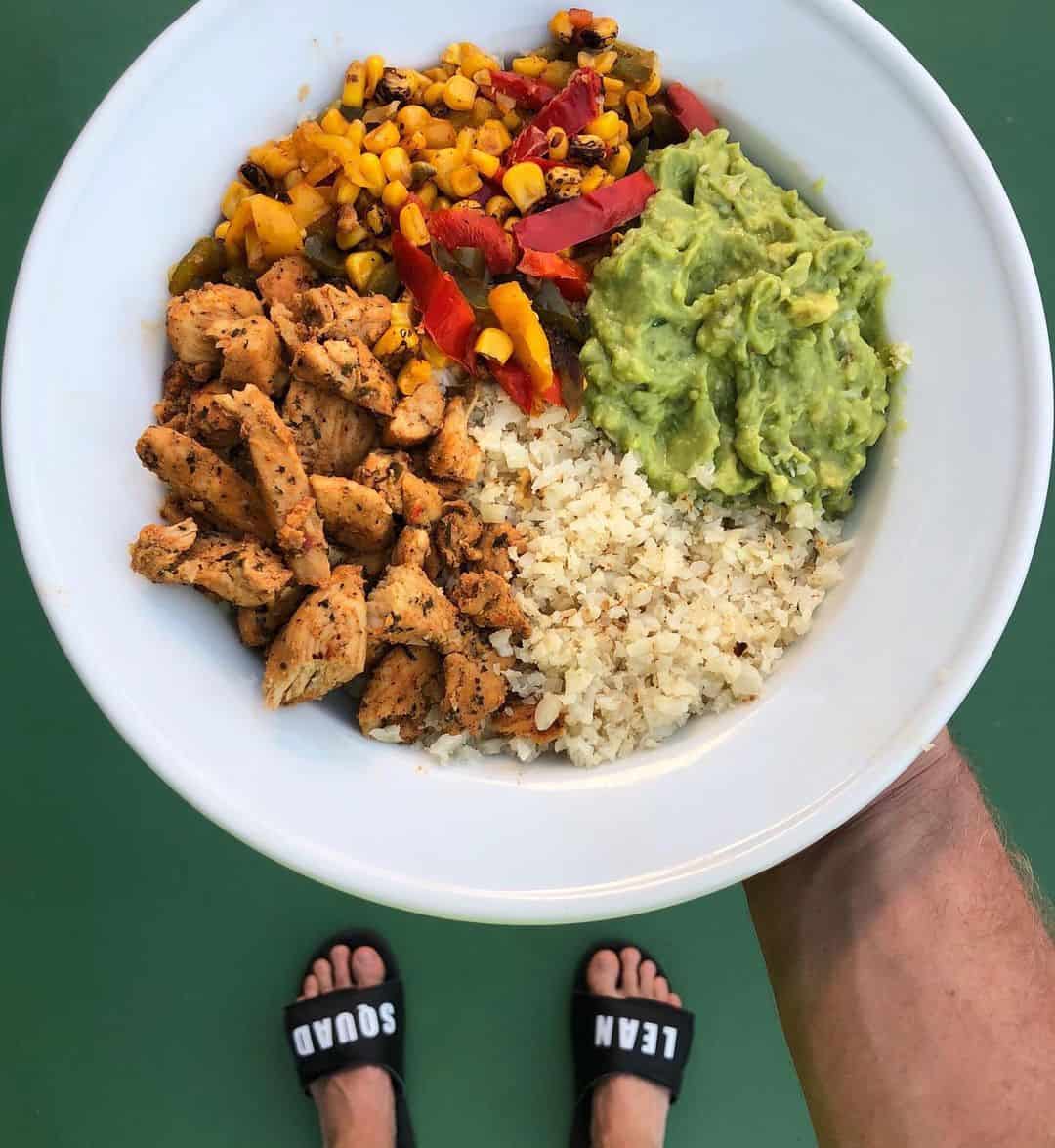
Our Top Pick
Clean Eatz Kitchen Weight Loss Meal Plan
Chef-prepared, portion-controlled meals designed for real weight loss results. No cooking required. No calorie counting. Just fresh food that works.
View on AmazonHow Does Aspartame Affect Pregnancy?
Aspartame breaks down into three compounds in the digestive system: phenylalanine, aspartic acid, and methanol. At amounts found in typical Diet Coke consumption, these metabolites remain well within safe thresholds for women without phenylketonuria.
In fact, FDA, EFSA, and WHO all classify aspartame as safe within its acceptable daily intake. For a 130-pound (59kg) woman, that cap is 3,200mg per day. A single can of Diet Coke contains approximately 180mg. Reaching the limit would require consuming nearly 18 cans daily.
Does Aspartame Cross the Placenta?
Phenylalanine, a breakdown product of aspartame, does cross the placental barrier during pregnancy. In women without PKU, blood phenylalanine levels from typical Diet Coke consumption stay far below concentrations associated with fetal harm. The placenta does not accumulate or concentrate it.
Methanol is also produced when aspartame metabolizes. Here’s what that actually means: a 12-oz (355ml) can of Diet Coke yields approximately 55mg of methanol. That amount is comparable to the methanol naturally present in one glass of tomato juice, and the liver processes it normally.
Can Aspartame Cause Autism in Babies?
A 2023 case-control study found a statistical association between daily aspartame intake and autism in male offspring, but the design has significant limitations. Mothers were asked to recall diet soda consumption from an average of 10 years prior. Retrospective self-reporting introduces substantial recall bias.
Boys born to mothers reporting daily diet soda use were classified as more than three times as likely to have autism. No statistically significant effect appeared in female offspring. The researchers themselves stated the association did not establish causation.
Bottom line: no major health authority has updated its aspartame guidance based on this study. FDA, WHO, and EFSA continue to classify aspartame as safe in pregnancy. The 2023 study is hypothesis-generating research, not a basis for a dietary ban.
How Much Caffeine Is in Diet Coke During Pregnancy?
One standard 12-oz (355ml) can of Diet Coke contains 46mg of caffeine. By comparison, an 8-oz (240ml) cup of brewed coffee contains approximately 95mg. So Diet Coke delivers roughly half the caffeine of coffee per serving.
The diuretic effect of caffeine in one can of Diet Coke is marginal. Research from the American Journal of Clinical Nutrition shows that beverages with moderate caffeine content are only slightly less hydrating than an equivalent volume of water. Is that surprising? For many pregnant women, yes. Most assume soda causes significant fluid loss.
What Is the Safe Caffeine Limit While Pregnant?
WHO and NHS both recommend limiting caffeine to 200mg per day during pregnancy. At 46mg per 12-oz (355ml) can, a pregnant woman could consume up to four cans of Diet Coke before approaching that threshold. That assumes no other caffeine sources in her daily diet.
Above 200mg per day, caffeine has been linked in some studies to reduced fetal blood flow and lower birth weight. Below that threshold, consistent evidence of harm does not exist. Here’s the part most people miss: total daily caffeine accumulates from all sources. Coffee, tea, chocolate, and energy drinks all count toward the 200mg limit.
Caffeine Content Across Common Drinks:
| Drink | Serving Size | Caffeine (mg) |
|---|---|---|
| Diet Coke | 12 oz (355ml) | 46mg |
| Brewed coffee | 8 oz (240ml) | 95mg |
| Black tea | 8 oz (240ml) | 47mg |
| Green tea | 8 oz (240ml) | 28mg |
| Decaf coffee | 8 oz (240ml) | 2-5mg |
What Are the Risks of Drinking Diet Soda While Pregnant?
Diet soda consumption during pregnancy has been associated with slightly elevated preterm birth risk in observational studies. These studies cannot rule out confounding variables such as smoking, stress, and overall diet quality. That makes direct causation difficult to confirm from existing data.
A 2016 JAMA Pediatrics study found infants of mothers consuming one or more artificially sweetened beverages daily during pregnancy were larger at 12 months. After researchers controlled for maternal BMI, breastfeeding behavior, smoking, and diabetes in pregnancy, the effect shrank substantially and approached statistical insignificance.
Key Risks Associated with Daily Diet Soda in Pregnancy:
- Slight correlation with elevated preterm birth rates in observational studies
- Higher infant BMI at 12 months (effect diminishes after controlling for confounders)
- Possible gut microbiome disruption affecting fetal microbiome at birth
- Statistical association with autism in male offspring (2023 study, recall bias limits conclusions)
Does Diet Coke Cause Preterm Birth?
Observational data shows a correlation between high diet soda intake and elevated preterm birth rates, but correlation is not causation. Women who drink more diet soda tend to differ on many lifestyle variables that independently raise preterm birth risk. Stress, smoking, and poor overall nutrition all play a role.
No randomized controlled trial has demonstrated that Diet Coke directly causes preterm birth. Current correlation-based findings do not justify eliminating occasional Diet Coke consumption. What the data does support? Keeping diet soda intake minimal rather than daily during pregnancy.
Can Diet Soda Affect Baby Weight?
The JAMA Pediatrics 2016 study found higher infant BMI at 12 months among babies born to mothers with daily artificially sweetened beverage intake. After adjusting for maternal BMI, breastfeeding status, gestational diabetes, and smoking, the observed effect shrank substantially and lost statistical significance.
Researchers have proposed gut microbiome disruption as a possible mechanism. Artificial sweeteners may alter maternal gut bacteria, which could influence the fetal microbiome at birth. But here is where it gets interesting: this pathway remains proposed, not confirmed, in controlled human trials.
If you want a structured way to manage weight and nutrition during and after pregnancy, a proven weight loss system designed for real-life eating habits can help bridge the gap between pregnancy cravings and long-term wellness goals.
What Should You Drink Instead of Diet Coke During Pregnancy?
Pregnant women need approximately 2.3 liters (about 10 cups) of fluid daily. Water, low-fat milk, and herbal teas are the top recommendations from OB guidelines because they hydrate without caffeine, artificial sweeteners, or phosphoric acid.
And here is the best part: several alternatives replicate the fizzy experience of Diet Coke without the ingredients of concern. Sparkling water, fruit-infused water, coconut water, and naturally brewed herbal teas all work as direct substitutes. The right swap depends on what the Diet Coke craving is actually responding to: carbonation, sweetness, or caffeine.
Which Drinks Are Safest During Pregnancy?
Plain water is the safest and most hydrating beverage choice during pregnancy. It contains no caffeine, no artificial sweeteners, and no added acids. Water supports amniotic fluid levels, nutrient transport, and kidney function. All three are under increased demand during pregnancy.
Sparkling water delivers carbonation without caffeine or sweeteners. Brands with no added sodium and no flavoring agents are the cleanest choice. Naturally flavored varieties are acceptable as long as labels confirm no artificial sweeteners.
Ginger and peppermint herbal teas are widely used during pregnancy for hydration and nausea relief. But avoid teas with licorice root, dong quai, or high-dose herbal extracts. Those carry documented pregnancy risks.
Safer Pregnancy Drink Alternatives:
- Plain still water
- Unflavored or naturally flavored sparkling water
- Ginger or peppermint herbal tea
- Fruit-infused water (lemon, cucumber, or mint)
- Coconut water (check for added sugars)
- Low-fat milk or fortified plant milk
Want a Free Pregnancy Nutrition Plan from Our OPTAVIA Coaches?
You’ve got the science. Now you need the plan. Our Independent OPTAVIA Coaches at Optimal Weight Plan put together a personalized nutrition guide for pregnant and postpartum women who want evidence-based support. No guessing. No conflicting advice. Just a clear, trimester-by-trimester roadmap built around your specific goals.
Don’t navigate pregnancy nutrition alone. Get the free action plan from our team at Optimal Weight Plan, sent straight to your inbox. It’s the same system our coaches use with clients every day to build healthy habits that stick long after the baby arrives.
Our Top Pick
Clean Eatz Kitchen Weight Loss Meal Plan
Chef-prepared, portion-controlled meals designed for real weight loss results. No cooking required. No calorie counting. Just fresh food that works.
View on Amazon