
The carnivore diet restricts all plant-based foods. Coffee is a plant-derived beverage. That conflict sits at the center of one of the most common questions new carnivore practitioners ask.
Black coffee contains zero carbohydrates and no animal-protein interference, yet it delivers caffeine, chlorogenic acids, and antioxidants from a plant source. Research shows caffeine raises fat oxidation by 10 to 29% during exercise in fat-adapted individuals. Cortisol, mineral absorption, and ketosis are all affected differently on carnivore than on a standard diet. The answer depends on preparation method, timing, and individual tolerance.
This guide covers whether black coffee fits the carnivore framework, how caffeine interacts with carnivore metabolism, how much is safe, and what alternatives exist for practitioners who choose to eliminate it.
Can You Drink Coffee on a Carnivore Diet?
Coffee on a carnivore diet occupies a contested gray area that divides most practitioners. The carnivore diet restricts all plant-based foods to remove antinutrients and digestive irritants. Black coffee contains zero carbohydrates and far fewer reactive plant compounds than vegetables or grains. A Harvard carnivore survey found 57% of respondents drank coffee daily while reporting improved health outcomes.
The carnivore diet’s core goal is eliminating antinutrients, plant toxins, and carbohydrates that disrupt gut healing. Black coffee delivers caffeine and chlorogenic acids without spiking blood glucose. Its plant origin makes it technically non-compliant. Its nutritional profile makes it functionally acceptable for most carnivore goals.
Most experienced carnivore practitioners draw a clear line. Black coffee without sweeteners or plant-based creamers stays within accepted limits. Coffee with sugar, flavored syrups, or oat milk violates the diet’s carbohydrate rules. Personal tolerance determines whether black coffee belongs in a specific individual’s protocol.
Coffee Types on Carnivore Diet:
- Black coffee (no additives): generally accepted
- Butter coffee or ghee coffee: carnivore-friendly
- Heavy whipping cream coffee: acceptable, under 1g carbs per tablespoon
- Coffee with sugar or syrups: not permitted
- Plant-based milk coffee: not permitted
Does Black Coffee Break the Rules of a Carnivore Diet?
No. Black coffee does not violate the core nutritional rules of a carnivore diet for most practitioners. It delivers zero grams of carbohydrates and no compounds that spike blood glucose. The carnivore diet primarily targets antinutrients, digestive irritants, and inflammatory plant molecules. Black coffee contains far fewer reactive compounds than grains, legumes, or cruciferous vegetables.
Strictly interpreted, the carnivore diet allows only animal-sourced foods. Coffee is a roasted seed extract and therefore plant-based. Purist versions of the diet exclude it entirely. Flexible or ‘animal-based’ approaches treat black coffee as an acceptable daily beverage.
The practical consensus across carnivore communities is that black coffee is allowed when consumed without additives. A paper filter reduces diterpene compounds such as cafestol and kahweol. Filtered black coffee minimizes the plant compounds that strict carnivore advocates consider problematic. Cold brew preparation reduces acidity by up to 67% compared to hot extraction methods.
Best Practices for Coffee on Carnivore:
- Limit intake to 1 to 2 cups daily
- Consume before noon to protect sleep quality
- Use paper filtration to remove diterpenes
- Choose high-quality, mold-tested beans
- Separate coffee from meat meals by at least one hour
- Avoid sweeteners, syrups, and plant-based creamers
Does Coffee Break Ketosis on a Carnivore Diet?
No. Black coffee does not break ketosis when consumed without sweeteners or caloric creamers. It contains fewer than 1 gram of carbohydrates per 240 millilitres (8 fluid ounces). Ketosis requires carbohydrate intake to remain below approximately 20 to 50 grams per day. A single cup of black coffee contributes negligible carbohydrate load toward that threshold.
Caffeine in black coffee may support ketosis maintenance. Research shows caffeine stimulates fat oxidation in low-carb and ketogenic populations. Higher fat oxidation rates translate to greater ketone production from fatty acid metabolism. This effect is most pronounced during fasted morning consumption before the first meal of the day.
Coffee additives are where ketosis risk appears. Standard dairy creamers contain 2 to 5 grams of sugar per tablespoon. Flavored syrups add 15 to 25 grams of sugar per serving. Both additives can remove a carnivore dieter from ketosis within one to two hours of consumption.
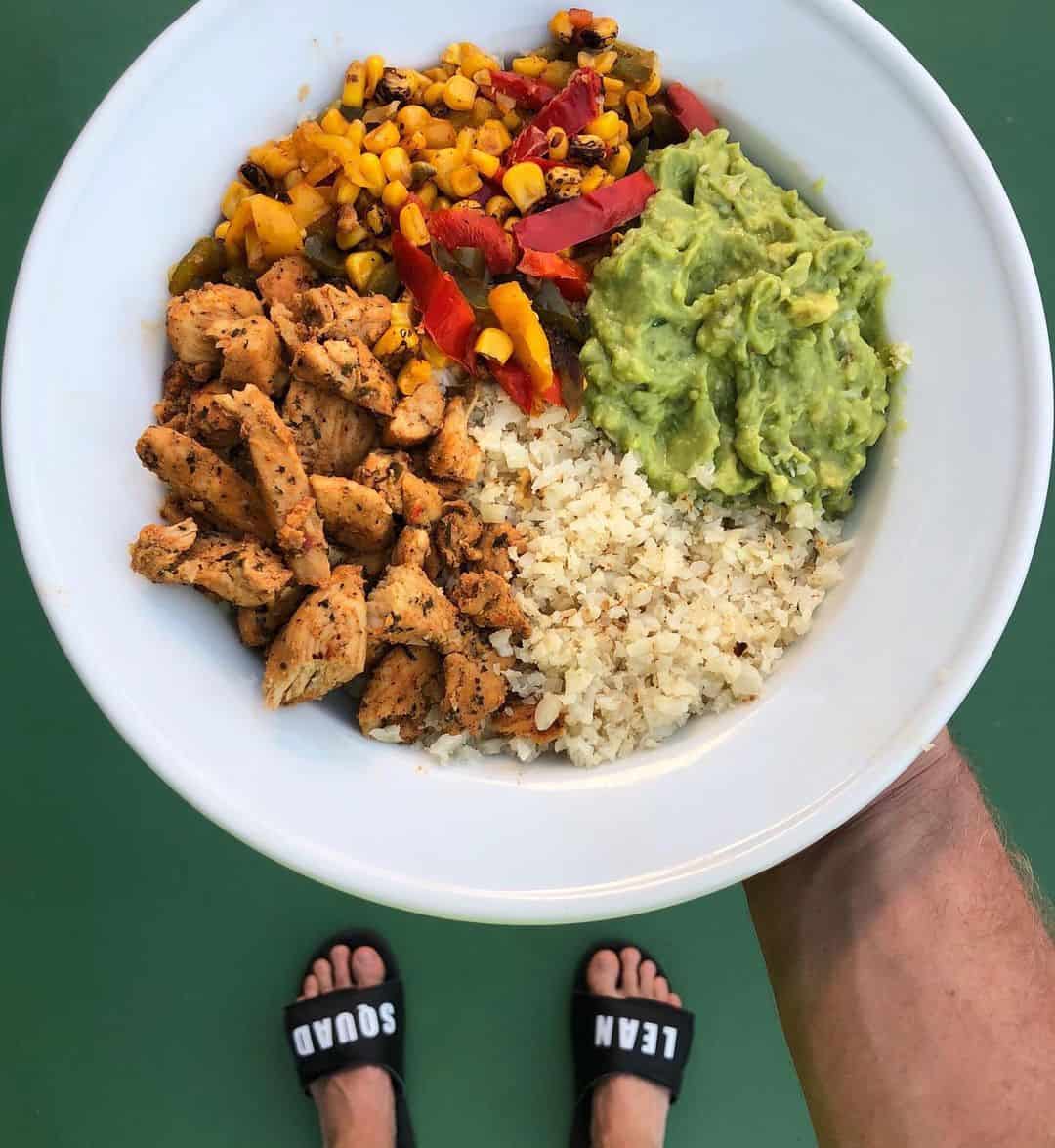
Our Top Pick
Clean Eatz Kitchen Weight Loss Meal Plan
Chef-prepared, portion-controlled meals designed for real weight loss results. No cooking required. No calorie counting. Just fresh food that works.
View on AmazonHow Does Coffee Affect the Carnivore Diet?
Coffee on a carnivore diet interacts with key metabolic processes in ways that differ from standard dietary contexts. The absence of dietary carbohydrates changes how the body processes caffeine and its downstream hormonal effects. Fat metabolism, cortisol response, and mineral absorption all shift under carnivore conditions. Understanding these interactions determines whether coffee supports or undermines individual carnivore goals.
The carnivore diet creates a unique metabolic environment dominated by fat oxidation and protein synthesis. Caffeine’s stimulant effects operate differently when insulin is chronically low. Without dietary carbohydrates dampening the stress response, caffeine’s cortisol-raising action becomes more pronounced. This makes dosage and timing more critical on carnivore than on a standard mixed diet.
Does Caffeine Raise Cortisol on a Carnivore Diet?
Yes. Caffeine raises cortisol levels in all dietary contexts, including the carnivore diet. Cortisol release peaks within 30 to 60 minutes of coffee consumption. On a carnivore diet, where carbohydrate intake is absent, there is no insulin-driven cortisol counterbalance. This makes the cortisol spike from caffeine more noticeable and potentially more disruptive than on a standard diet.
In fact, elevated cortisol stimulates gluconeogenesis, the process by which the liver converts amino acids into glucose. On a carnivore diet with high protein intake, this can raise fasting blood glucose. Individuals monitoring blood glucose may observe higher morning readings on heavy coffee days. Limiting coffee to one cup before noon reduces this effect significantly.
Chronic elevated cortisol disrupts sleep quality when coffee is consumed after 2 PM. Poor sleep reduces growth hormone secretion and muscle protein synthesis. Carnivore dieters focused on body composition benefit from strict morning-only coffee timing. Cutting off caffeine by noon protects the hormonal environment that drives fat loss and lean mass retention.
Does Coffee Interfere with Mineral Absorption?
Yes. Coffee inhibits the absorption of key minerals when consumed with or shortly after meat-based meals. The polyphenols and tannins in coffee bind to iron, magnesium, and zinc in the digestive tract. This reduces the amount of these minerals that enter circulation. On a carnivore diet where red meat serves as the primary mineral source, this interference has meaningful nutritional consequences.
Iron absorption from red meat is particularly vulnerable. Research shows coffee reduces non-haem iron absorption by up to 39% and haem iron from meat by up to 27%. Drinking coffee within 30 minutes of a steak meal substantially reduces iron uptake from that meal. Carnivore dieters at risk of iron deficiency should separate coffee consumption from meat meals by at least one hour.
Magnesium interference is a secondary concern. Coffee is a mild diuretic and increases urinary magnesium excretion. Carnivore dieters already consume a low-oxalate diet, which improves magnesium retention overall. One to two cups of coffee per day creates manageable interference for most practitioners with adequate magnesium intake from meat and organ foods.
Minerals Affected by Coffee on Carnivore:
| Mineral | Effect | Reduction |
|---|---|---|
| Iron (haem) | Reduced absorption | Up to 27% |
| Iron (non-haem) | Reduced absorption | Up to 39% |
| Magnesium | Increased urinary excretion | Moderate |
| Zinc | Reduced absorption | Moderate |
What Are the Benefits of Coffee on a Carnivore Diet?
Black coffee on a carnivore diet delivers measurable performance and metabolic benefits when consumed strategically. Caffeine enhances mental clarity, physical performance, and fat oxidation in low-carbohydrate metabolic states. These effects are well-documented in ketogenic and low-carb research populations. Carnivore dieters who drink black coffee before morning workouts consistently report stronger training output and better energy continuity.
Here’s what’s more. Chlorogenic acids in coffee slow glucose absorption and support insulin sensitivity markers. The antioxidant properties of these acids may reduce systemic inflammation in some carnivore practitioners. Coffee also provides psychological continuity during the transition to carnivore eating. Retaining a familiar morning beverage reduces behavioral friction in the early adoption phase.
Does Coffee Support Fat Metabolism on Carnivore?
Yes. Caffeine directly enhances fat oxidation rates in low-carbohydrate and fat-adapted metabolic states. Research in ketogenic populations shows caffeine increases fat oxidation by 10 to 29% during moderate-intensity exercise. On a carnivore diet where fat serves as the primary fuel source, this effect amplifies the diet’s fat-burning potential. Consuming black coffee 30 to 60 minutes before exercise maximizes this metabolic benefit.
Caffeine activates hormone-sensitive lipase, the enzyme responsible for releasing stored triglycerides from fat cells. Released fatty acids enter circulation and become available for beta-oxidation in muscle and liver mitochondria. This mechanism operates more efficiently when insulin is low. Carnivore dieters maintain chronically low insulin, which creates optimal conditions for caffeine-driven fat mobilization.
Adenosine receptor blockade is the primary mechanism behind caffeine’s energy effect. Caffeine blocks adenosine, the compound that signals fatigue in the brain. On a carnivore diet, the absence of carbohydrate-driven energy fluctuations makes adenosine management more influential on daily energy perception. Moderate coffee intake stabilizes subjective energy levels without the crashes associated with carbohydrate-based stimulation.
Key Benefits of Coffee on Carnivore Diet:
- Increases fat oxidation by 10 to 29% during exercise
- Activates hormone-sensitive lipase for fat mobilization
- Blocks adenosine to reduce perceived fatigue
- Supports ketosis maintenance in fat-adapted individuals
- Provides antioxidants without carbohydrates
What Are the Risks of Drinking Coffee on Carnivore?
Coffee on a carnivore diet carries specific risks that differ from those on a standard mixed diet. Caffeine sensitivity increases during the carnivore adaptation phase due to shifts in gut microbiome composition. Anxiety, insomnia, digestive discomfort, and elevated heart rate represent the most commonly reported adverse effects. These risks concentrate in the first two to eight weeks of carnivore adaptation.
Tannins and chlorogenic acids in coffee can irritate the gastrointestinal lining in sensitive individuals. On a carnivore diet where gut healing is a primary goal, this irritation delays recovery from intestinal permeability issues. Practitioners with existing gut conditions report worsened symptoms from daily coffee consumption. A 30-day elimination trial helps identify individual gut sensitivity to coffee compounds.
Sleep disruption is the most consistent risk across carnivore communities. Why does that matter? Caffeine’s half-life is five to six hours in most adults. A 2 PM cup of coffee still carries 50% of its caffeine load at 7 PM to 8 PM. Disrupted sleep reduces cortisol regulation, growth hormone secretion, and recovery from high-protein metabolism.
Should You Eliminate Coffee During Carnivore Adaptation?
Yes. Eliminating coffee during the initial carnivore adaptation phase accelerates metabolic transition for most new practitioners. The adaptation phase lasts two to eight weeks and involves major shifts in gut microbiome composition, electrolyte regulation, and fat oxidation capacity. Caffeine’s cortisol-raising effect adds metabolic stress to an already demanding transition. A 30-day coffee-free period allows stable carnivore metabolism to establish before reintroducing stimulants.
Electrolyte regulation is particularly sensitive during carnivore adaptation. The diet’s natural diuretic effect increases sodium, potassium, and magnesium excretion substantially in the first weeks. Caffeine compounds this effect through its own mild diuretic action. New carnivore dieters managing electrolyte depletion symptoms such as fatigue, muscle cramps, and headaches find these symptoms worsen with simultaneous coffee consumption.
The good news? Reintroducing coffee after the adaptation phase lets practitioners assess tolerance from a clean baseline. Most experienced carnivore dieters who eliminated coffee during adaptation report that reintroduction at one cup per day produces no adverse effects. Those who consumed coffee throughout adaptation can’t isolate whether symptoms came from carnivore transition or from caffeine. A structured elimination period provides clean data on individual coffee tolerance.
How Much Coffee Is Safe on a Carnivore Diet?
One to two cups of black coffee per day represents the safe upper limit for most carnivore dieters. This translates to approximately 95 to 190 milligrams of caffeine daily. Health authorities including the FDA recommend a maximum of 400 milligrams of caffeine per day for healthy adults. On a carnivore diet where caffeine’s cortisol and diuretic effects are amplified, staying at the lower end of this range is advisable.
Here’s the thing: timing matters as much as quantity. Consuming coffee within the first four hours after waking aligns caffeine intake with the body’s natural cortisol peak. This alignment reduces the net cortisol increase from caffeine. Consuming coffee after noon extends caffeine into the evening sleep window and increases disruption risk substantially.
Individual caffeine metabolism varies significantly based on CYP1A2 enzyme activity. Fast metabolizers process caffeine in three to four hours. Slow metabolizers carry active caffeine for six to eight hours or longer. Carnivore dieters who experience poor sleep, elevated resting heart rate, or anxiety from one cup per day likely carry a slow-metabolizer genotype. Reducing to half a cup or switching to decaf resolves these symptoms in most cases.
Caffeine Intake Reference for Carnivore Diet:
| Cups Per Day | Caffeine (mg) | Recommendation |
|---|---|---|
| 1 cup | 80 to 100 mg | Optimal for most carnivore practitioners |
| 2 cups | 160 to 200 mg | Upper safe limit on carnivore |
| 3+ cups | 240+ mg | High risk of cortisol elevation and sleep disruption |
| Decaf (1 to 2 cups) | 2 to 30 mg | Best option for sensitive individuals |
Does the Type of Coffee Matter on a Carnivore Diet?
Yes. The preparation method of coffee significantly affects its compatibility with carnivore diet goals. Black coffee made from high-quality, mold-tested beans through a paper filter represents the optimal preparation method. Paper filtration removes diterpene compounds such as cafestol and kahweol, which are linked to elevated LDL cholesterol in unfiltered preparations. Cold brew reduces acidity by up to 67% compared to standard hot extraction methods.
Butter coffee adds grass-fed butter or ghee to black coffee. This preparation aligns with carnivore macronutrient goals by adding animal-derived fat without carbohydrates. The added fat blunts caffeine’s cortisol response and extends satiety beyond that of plain black coffee. Heavy whipping cream is a second acceptable additive, containing less than 1 gram of carbohydrates per two tablespoons.
Plant-based creamers, flavored syrups, and sweeteners violate carnivore restrictions regardless of brand marketing claims. Check labels for maltodextrin, tapioca starch, and ‘natural flavors’ derived from plant sources. These additives introduce carbohydrates and plant compounds that counter the carnivore diet’s core metabolic goals. Stick to animal-derived fat additions only when modifying plain black coffee.
Is Decaf Better Than Regular Coffee on Carnivore?
Decaf coffee reduces caffeine-specific risks while preserving most of coffee’s antioxidant benefits for carnivore practitioners. It contains 2 to 15 milligrams of caffeine per cup compared to 80 to 100 milligrams in regular coffee. This reduction eliminates cortisol spikes, sleep disruption, and anxiety in caffeine-sensitive individuals. Decaf retains chlorogenic acids and antioxidants that support metabolic health without stimulant-related side effects.
Processing method matters with decaf. Conventional decaffeination uses chemical solvents including methylene chloride and ethyl acetate. Residual solvent traces remain in some conventionally processed decaf products. Swiss-water process decaf uses only water to extract caffeine. This method removes over 99.9% of caffeine without chemical solvent residues and is the safest decaf option for health-focused carnivore practitioners.
Want Your Free Carnivore Weight Loss Plan from Our OPTAVIA Coaches?
You have the research. Now you need a structured plan. Our Independent OPTAVIA Coaches at Optimal Weight Plan put together a free 12-week protocol built for real results. Stop guessing your way through carnivore adaptation when a clear roadmap exists.
This free action plan covers exactly what to eat, when to eat, and how to manage the adaptation phase without losing momentum. Our coaches at Optimal Weight Plan have guided hundreds of clients through carnivore-based weight loss transitions. The plan eliminates the trial-and-error that stalls most new carnivore dieters in weeks two to four.
What Does the Optimal Weight Plan Free Action Plan Include?
The free action plan from Optimal Weight Plan includes a week-by-week meal structure built for carnivore diet weight loss. It covers protein targets, fat ratios, electrolyte protocols, and adaptation milestones for the first 12 weeks. Our Independent OPTAVIA Coaches designed it around the most common carnivore adaptation challenges including fatigue, cravings, and mineral depletion. A structured weight loss program provides the accountability framework that most self-directed carnivore dieters need most.
The plan includes guidance on coffee reintroduction timing after the 30-day adaptation period. Our team at Optimal Weight Plan identifies the exact week to retest caffeine tolerance. Practitioners who follow the structured reintroduction protocol report cleaner tolerance assessments and fewer rebound symptoms. Request the free plan now and stop relying on community forums for protocol decisions that deserve professional support.
Our Top Pick
Clean Eatz Kitchen Weight Loss Meal Plan
Chef-prepared, portion-controlled meals designed for real weight loss results. No cooking required. No calorie counting. Just fresh food that works.
View on Amazon