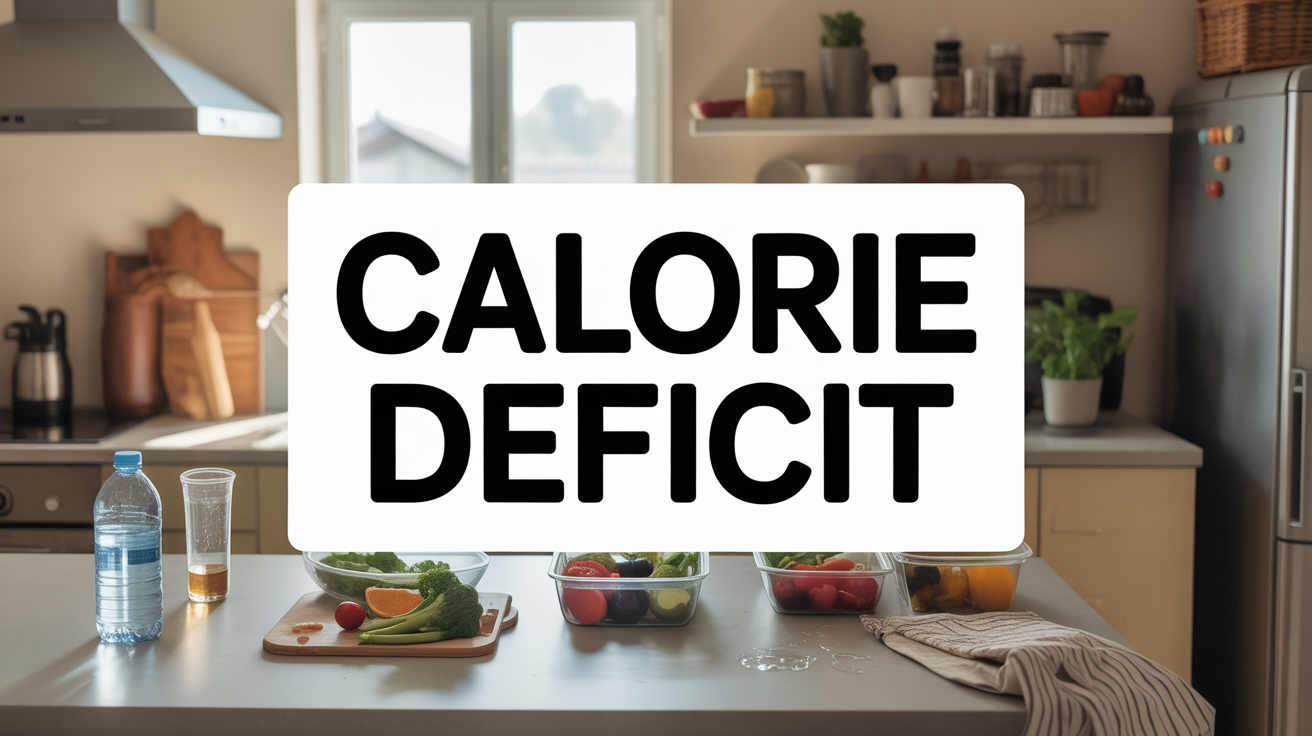
A calorie deficit is the state of consuming fewer calories than the body burns each day. It is the fundamental mechanism behind fat loss and the basis of every evidence-based weight management plan. Understanding how it works helps individuals make informed, sustainable choices about food and physical activity.
Total daily energy expenditure sets the foundation for any deficit calculation. A daily reduction of 500 calories produces roughly 0.45 kg (1 lb) of fat loss per week. Aerobic exercise deepens the deficit while resistance training preserves lean muscle tissue. Research links 5-10% body weight loss to measurable improvements in blood sugar, cholesterol, and blood pressure across multiple studies.
This guide covers how to calculate a personal deficit, which foods support sustainable fat loss, and how to avoid the common mistakes that stall progress. Readers also learn how long a deficit can safely be maintained and what to expect at each stage of the fat loss process.
What Is a Calorie Deficit?
A calorie deficit is the state where daily calorie intake falls below total daily energy expenditure. The body responds by burning stored fat to close that energy gap. This metabolic shift drives fat loss when the deficit is maintained consistently over time. Every biological function, from circulation to digestion, draws from available energy reserves without interruption.
Food supplies energy measured in calories. The body converts ingested food into usable fuel for all cellular activity. When intake drops below expenditure, stored fat tissue becomes the body’s primary energy source instead of dietary calories.
Energy balance has three possible states. A calorie surplus stores unused energy as fat tissue. A maintenance state keeps body weight stable. A sustained calorie deficit reduces fat mass progressively over weeks and months of consistent application.
How Does Energy Balance Affect Body Weight?
Energy balance is the ratio between calories consumed and calories the body burns each day. When calorie intake drops below expenditure, the body enters a deficit and loses weight over time. When intake rises above expenditure, the body stores the surplus as fat tissue. The direction and magnitude of this ratio control body weight across every stage of life.
The body burns calories through three main pathways: basal metabolism, physical activity, and the digestion of food. Basal metabolism accounts for 60-75% of total daily calorie expenditure in most adults. Physical activity contributes 20-30%, and digestion accounts for the remaining 5-10%.
Weight loss does not happen from a single day of eating less. It requires a sustained calorie deficit maintained over several weeks. Research establishes that 3,500 calories of accumulated deficit corresponds to roughly 0.45 kg (1 lb) of fat tissue oxidized by the body.
What Is the Difference Between BMR and TDEE?
Basal metabolic rate (BMR) is the number of calories the body burns at complete rest. It represents the minimum energy required to maintain core biological functions. Total daily energy expenditure (TDEE) adds all physical activity on top of BMR. TDEE is the true daily calorie baseline for weight maintenance, not BMR alone.
BMR is calculated using the Mifflin-Saint Jeor formula, which factors in weight, height, sex, and age. For men: BMR = (10 x kg) + (6.25 x cm) – (5 x age) + 5. For women: BMR = (10 x kg) + (6.25 x cm) – (5 x age) – 161. Activity multipliers then convert BMR into TDEE for each individual’s lifestyle.
Activity Multipliers for TDEE Calculation:
| Activity Level | Description | Multiplier |
| Sedentary | Little or no exercise | BMR x 1.2 |
| Lightly Active | 1-3 days per week | BMR x 1.375 |
| Moderately Active | 3-5 days per week | BMR x 1.55 |
| Very Active | 6-7 days per week | BMR x 1.725 |
| Extra Active | Physical job or twice-daily training | BMR x 1.9 |
TDEE is the only number that matters for building a real calorie deficit. Subtracting a target deficit from TDEE gives the daily intake goal. A 500-calorie deficit applied to a 2,000-calorie TDEE means an intake target of 1,500 calories per day.

Our Top Pick
Clean Eatz Kitchen Weight Loss Meal Plan
Chef-prepared, portion-controlled meals designed for real weight loss results. No cooking required. No calorie counting. Just fresh food that works.
View on AmazonHow Do You Calculate a Calorie Deficit?
Calculating a calorie deficit starts with accurately measuring the body’s total daily energy expenditure. TDEE is determined by BMR plus a physical activity multiplier. Once TDEE is established, subtracting the target deficit gives the daily calorie intake goal. The math is consistent once TDEE is accurately estimated using the right formula.
The Mifflin-Saint Jeor formula is the standard preferred by registered dietitians. It accounts for four key variables: body weight in kilograms, height in centimeters, age in years, and sex. Cleveland Clinic dietitian Beth Czerwony recommends this formula specifically for its reliability across different body types and age groups.
A simpler alternative is a 10-day tracking method. Track all calorie intake for 10 days without making any changes to eating habits. Divide the total by 10 to get the average daily intake. That average approximates maintenance calories for that individual without any formula required.
How Many Calories Should You Cut Per Day?
A daily reduction of 500 calories is the standard starting point recommended for healthy weight loss. This deficit produces approximately 0.45 kg (1 lb) of fat loss per week when maintained consistently. Registered dietitians recommend this rate as both sustainable and safe for most healthy adults. Larger deficits increase the risk of muscle loss, fatigue, and nutrient deficiency over time.
Women require a minimum of 1,200 calories per day to meet basic nutritional needs. Men require a minimum of 1,500 calories per day. Dropping below these thresholds is harmful to health regardless of weight loss goals. A physician should supervise any intake approaching these minimums closely.
A moderate deficit of 250-500 calories per day produces 0.25-0.45 kg (0.5-1 lb) of weekly fat loss. This pace preserves lean muscle mass better than aggressive restriction does. Most adults achieve this range by reducing portion sizes, cutting high-calorie beverages, or increasing daily walking without changing food choices dramatically.
Yes. A consistent 500-calorie daily deficit produces approximately 0.45 kg (1 lb) of fat loss per week on average. This calculation rests on the established estimate that 3,500 calories of accumulated deficit oxidizes roughly 0.45 kg (1 lb) of stored fat. Cleveland Clinic research confirms that slower, steady weight loss is more likely to remain permanent long term. The body adapts to gradual changes more smoothly than it does to sudden, aggressive restriction.
Weight loss from a 500-calorie deficit is not always perfectly linear week to week. Hormonal fluctuations, water retention, and glycogen storage all affect the number on the scale. Fat loss continues even when the scale shows a temporary plateau due to fluid shifts in the body.
Tracking food intake accurately is critical for maintaining a true 500-calorie deficit. Studies show that people underestimate calorie intake by 20-40% when eyeballing portions. A food diary or calorie tracking app provides the accurate data needed to keep the deficit precise and effective.
What Are the Benefits of a Calorie Deficit?
A calorie deficit drives fat loss, the primary outcome most adults seek from weight management. Beyond body composition, a sustained moderate deficit improves multiple metabolic markers simultaneously. Research links weight loss of 5-10% of body weight to significant improvements in blood sugar, blood pressure, and cholesterol levels. These effects emerge even before the individual reaches their final target weight.
Fat loss from a calorie deficit specifically reduces visceral fat, the type stored around internal organs. High visceral fat is a primary driver of insulin resistance and type 2 diabetes risk. Reducing visceral fat measurably lowers these risks in adults who sustain their deficit long enough to see meaningful weight change.
Key Benefits of a Sustained Calorie Deficit:
- Reduced visceral fat around organs
- Improved insulin sensitivity and lower fasting blood glucose
- Lower LDL cholesterol and triglycerides
- Reduced blood pressure in overweight adults
- Less mechanical stress on knee and hip joints
- Lower circulating inflammatory markers
A calorie deficit also reduces the mechanical load on joints with every pound lost. Every 0.45 kg (1 lb) of body weight lost removes approximately 1.8 kg (4 lbs) of pressure from the knee joint per step. This reduction in joint stress is particularly significant for adults managing knee osteoarthritis or chronic lower body pain.
Does a Calorie Deficit Improve Metabolic Health?
Yes. A sustained calorie deficit improves insulin sensitivity in adults who carry excess body weight. Lower body fat reduces the inflammatory signals that impair how cells respond to insulin. Research published in Diabetes Care confirms this effect in subjects who lost 5-10% of body weight through calorie restriction alone. Improved insulin sensitivity lowers fasting blood glucose and reduces the risk of progressing to type 2 diabetes.
A moderate calorie deficit also lowers LDL cholesterol and serum triglycerides in many individuals. These improvements come from reduced fat storage and lower levels of circulating free fatty acids in the bloodstream. Both are independent risk factors for cardiovascular disease that respond to weight loss.
Resting metabolic rate adapts modestly as body weight decreases during a deficit. The body burns slightly fewer calories at rest as mass reduces. This adaptation is proportional to the amount of lean mass and fat mass lost and stabilizes once a new lower weight is maintained consistently.
Yes. Sustained weight loss from a calorie deficit lowers the risk of type 2 diabetes, cardiovascular disease, and certain cancers. Excess adipose tissue produces inflammatory cytokines that damage blood vessels and disrupt hormonal signaling over time. Research from the American Diabetes Association shows that a 5-7% reduction in body weight cuts type 2 diabetes risk by nearly 58% in high-risk adults. This effect is primarily driven by the reduction of abdominal and visceral fat.
Blood pressure improves with weight reduction in most individuals who carry excess body weight. A loss of 4.5 kg (10 lbs) correlates with a meaningful reduction in both systolic and diastolic blood pressure readings. This lowers the risk of stroke and heart disease independently of any medication change.
Excess body fat is linked to higher circulating estrogen levels, which increases risk for hormone-sensitive cancers. Reducing body fat through a calorie deficit lowers estrogen levels in postmenopausal women specifically. The American Cancer Society recognizes healthy weight maintenance as a modifiable cancer risk factor for several cancer types.
How Do You Create a Safe Calorie Deficit?
Creating a safe calorie deficit requires balancing calorie reduction with adequate nutrient intake throughout. Cutting calories without attention to food quality produces nutrient deficiencies even when weight loss occurs on the scale. A deficit built on whole foods, lean protein, vegetables, and whole grains delivers fat loss without compromising the body’s nutritional needs. The goal is a calorie gap, not a nutrition gap.
Two methods create a calorie deficit: reducing calorie intake, increasing calorie expenditure through activity, or combining both approaches. The combination method is the most effective and the most sustainable. It allows a smaller dietary restriction while maintaining adequate nutrition throughout the entire weight loss period.
A 10-day baseline tracking period establishes an accurate picture of current intake before any reduction begins. Studies show that individuals who track food intake lose significantly more weight than those who rely on estimation. Accurate data is the foundation of any effective calorie deficit strategy.
What Foods Help You Eat Fewer Calories?
High-volume, low-calorie foods are the most effective dietary tool for creating a sustainable calorie deficit. These foods provide large serving sizes with relatively few calories per gram. They increase satiety without adding significant energy to the daily total. Non-starchy vegetables, lean proteins, and water-rich fruits form the core of this food category for most adults.
Protein is the most satiating macronutrient per calorie consumed. Research shows that high-protein diets reduce overall calorie intake by suppressing ghrelin, the primary hunger hormone. Lean protein sources include chicken breast, white fish, egg whites, Greek yogurt, and legumes across a wide range of food preferences.
High-Volume, Low-Calorie Foods for a Deficit:
- Non-starchy vegetables (broccoli, spinach, cucumbers, bell peppers)
- Lean proteins (chicken breast, white fish, egg whites, Greek yogurt)
- Water-rich fruits (strawberries, watermelon, grapefruit, oranges)
- Legumes (lentils, black beans, chickpeas)
- Whole grains in measured portions (oats, quinoa, brown rice)
Highly processed foods are calorie-dense and low in dietary fiber. They produce minimal satiety relative to their calorie content per serving. Swapping processed snacks for whole food alternatives is one of the simplest ways to reduce daily calorie intake without increasing hunger levels throughout the day.
Does Exercise Increase a Calorie Deficit?
Yes. Exercise increases total daily calorie expenditure and deepens the effective calorie deficit. Aerobic exercise burns calories directly during the activity session itself. Resistance training builds lean muscle mass, which raises BMR over time and increases calories burned at rest. Research confirms that combining aerobic exercise with a calorie-restricted diet produces greater fat loss than diet restriction alone.
A 30-minute moderate-intensity walk burns approximately 150-200 calories depending on body weight and pace. A 45-minute resistance training session burns 180-250 calories. Both activities also create a brief post-exercise elevation in metabolic rate that extends calorie burning beyond the workout session by several hours.
Exercise also preserves lean muscle mass during a calorie deficit period. Muscle tissue is metabolically active and contributes significantly to a higher resting metabolic rate. Losing muscle mass during a deficit reduces BMR and makes further fat loss progressively more difficult to achieve.
Why Am I Not Losing Weight in a Calorie Deficit?
Weight loss stalls in a calorie deficit most often because of inaccurate calorie tracking or gradual metabolic adaptation. Studies show that people underestimate calorie intake by 20-40% without careful measurement of portions. A perceived deficit may not reflect a true one when portions are estimated visually rather than weighed. Accurate weighing of food with a kitchen scale resolves this issue for most individuals who experience an unexpected plateau.
Metabolic adaptation occurs when the body reduces its resting metabolic rate in response to prolonged calorie restriction. This adaptation is proportional to the amount of weight lost during the deficit period. It can reduce TDEE by 10-15% in individuals who have maintained a significant restriction for several months without adjustment.
Common Reasons for a Weight Loss Stall:
- Inaccurate portion estimation (underreporting by 20-40%)
- Metabolic adaptation from prolonged restriction
- Water retention from increased sodium or new exercise
- Hormonal fluctuations affecting fluid balance
- Failure to recalculate TDEE as body weight decreases
Water retention also masks fat loss on the scale temporarily. Increased sodium intake, hormonal changes, and new exercise routines all cause short-term fluid retention. The scale may show no change for 1-2 weeks while actual fat loss continues beneath the surface. Tracking body measurements alongside scale weight provides a far more accurate picture of real progress.
What Are the Risks of a Calorie Deficit?
An aggressive calorie deficit carries risks including muscle loss, nutrient deficiency, and metabolic slowdown. Deficits that push intake below 1,200 calories per day for women or 1,500 calories per day for men deprive the body of essential nutrients. The body breaks down lean muscle tissue for energy when calories fall too low. This muscle loss reduces metabolic rate and significantly increases the risk of regaining lost weight after the deficit ends.
Severe restriction also impairs immune function, bone density, and hormonal balance over time. Women who restrict calories aggressively may experience menstrual irregularities or the complete cessation of menstruation. These effects reverse with adequate calorie restoration in most cases when the restriction ends promptly.
Rapid weight loss exceeding 1 kg (2.2 lbs) per week significantly increases the risk of gallstone formation. The liver processes excess cholesterol during rapid fat breakdown, and that cholesterol can crystallize in the gallbladder. Healthcare providers recommend a maximum deficit of 750-1,000 calories per day to avoid triggering this risk in susceptible individuals.
How Long Is It Safe to Stay in a Calorie Deficit?
A moderate calorie deficit is safe to maintain until the individual reaches their target body weight. There is no fixed maximum duration for a well-structured deficit that meets all nutritional requirements and stays above safe minimums. Studies support continuous moderate restriction for 12-24 weeks in healthy adults without adverse health outcomes. Medical supervision is recommended for deficits maintained beyond 6 months continuously.
Planned diet breaks of 1-2 weeks at maintenance calorie levels reduce metabolic adaptation during extended periods of restriction. These breaks allow leptin levels to recover and restore appetite regulation signals to normal function. Research suggests that cyclical maintenance periods do not impair overall fat loss when the total deficit is maintained across the full time period.
Individuals should exit the calorie deficit gradually once their target weight is reached. Adding 100-200 calories per day over 2-4 weeks prevents rapid weight regain from occurring. This gradual reintroduction of calories allows the body to stabilize at the new lower body weight without the metabolic shock of sudden overfeeding.
Want Your Free Calorie Deficit Action Plan from Our OPTAVIA Coaches?
The science is clear. Applying a calorie deficit consistently is where most people need real support. You have the research. Now you need the plan. Our Independent OPTAVIA Coaches at Optimal Weight Plan build personalized calorie deficit plans that fit real schedules, real food preferences, and real life. A free action plan gives you a structured starting point without the guesswork. Don’t estimate your way to results.
Our coaches at Optimal Weight Plan calculate your TDEE, set a realistic deficit target, and build a 12-week eating and activity plan tailored to your specific goals. The free action plan includes your personal daily calorie target, a sample meal framework, and weekly milestones to track real progress. A structured weight loss program removes the trial-and-error that causes most calorie deficit plans to fail within the first month.
What Does the Optimal Weight Plan Free Action Plan Include?
The free action plan from Optimal Weight Plan delivers a personalized calorie deficit target based on your calculated TDEE. It includes a 12-week framework with weekly milestones and adjustable calorie targets as your body weight changes. Our team reviews each plan for nutritional adequacy before sending it. The plan is designed to produce 0.45-0.9 kg (1-2 lbs) of fat loss per week without dropping below safe calorie minimums.
Our team at Optimal Weight Plan pairs the calorie framework with accountability check-ins, habit stacking strategies, and practical nutritional education. This combination has helped thousands of adults maintain their deficit long enough to reach their actual target weight and keep it off. Get your free plan today and stop guessing.
Our Top Pick
Clean Eatz Kitchen Weight Loss Meal Plan
Chef-prepared, portion-controlled meals designed for real weight loss results. No cooking required. No calorie counting. Just fresh food that works.
View on Amazon