The bone broth diet is a 21-day weight loss plan that combines paleo-style eating with intermittent fasting. Created by naturopathic doctor Kellyann Petrucci, the program uses bone broth as its nutritional anchor on both fasting and non-fasting days to drive rapid weight loss and gut health benefits.
Five days per week follow a low-carb meal plan built around lean protein, nonstarchy vegetables, and healthy fats. Two nonconsecutive days involve modified fasting on bone broth only, dropping daily calories to 300 to 500. The collagen, gelatin, and amino acids in bone broth provide essential nutrients that standard water fasting eliminates from the equation.
The bone broth diet promises results through structured caloric restriction, but the scientific evidence behind it remains limited. This guide covers the full 21-day plan, the nutrition science on bone broth, foods to eat and avoid, the real risks, and how to make bone broth at home.
What Is the Bone Broth Diet?
The bone broth diet is a 21-day weight loss plan. Naturopathic doctor Kellyann Petrucci created the program by combining paleo-style eating with intermittent fasting. Here’s the setup: five days per week follow a low-carb meal plan while two nonconsecutive days involve modified fasting on bone broth only.
The diet claims participants can lose up to 15 pounds (6.8 kg) and 4 inches (10 cm) in 21 days. Is that realistic? The approach relies on caloric restriction, elimination of processed foods, and the nutritional properties of bone broth. An 80/20 maintenance plan follows the initial 21-day cycle for long-term weight management.
Bone broth serves as the dietary foundation across all seven weekly days. Non-fasting days include bone broth alongside paleo meals. Mini-fast days replace all solid food with three to six cups of bone broth. And there’s one firm rule: the last meal or snack must happen by 7 p.m. each night.
Bone Broth Diet Weekly Structure:
| Day Type | Frequency | Meals | Calories |
|---|---|---|---|
| Non-Fasting Day | 5 days per week | Paleo meals + bone broth | Standard intake |
| Mini-Fast Day | 2 days per week | Bone broth only (3-6 cups) | 300-500 |
| Maintenance (post-21 days) | 7 days per week | 80/20 paleo with bone broth | Moderate intake |
What Is Bone Broth and How Is It Made?
Bone broth is a nutrient-rich liquid from simmered animal bones. The cooking process lasts up to 24 hours to extract collagen, gelatin, amino acids, and minerals from bones and connective tissue. An acidic ingredient like apple cider vinegar helps break down collagen and minerals during the long simmer.
Knuckle, joint, feet, and neck bones produce the richest broth. Why those specific cuts? The cartilage in these bones contains the highest collagen concentration. At room temperature, properly made bone broth turns gelatinous due to the extracted collagen content.
How Does the Bone Broth Diet Differ From Regular Fasting?
The bone broth diet uses modified fasting rather than complete fasting. Mini-fast days still allow 300 to 500 calories from bone broth. Standard intermittent fasting protocols often permit zero calories during the fasting window. The bone broth provides protein and minerals that complete fasting eliminates.
The five non-fasting days follow a structured paleo framework. All dairy, grains, legumes, added sugars, and alcohol remain off limits. To be clear, the combination of low-carb eating with intermittent fasting creates a larger weekly caloric deficit than either approach delivers alone.
Our Top Pick
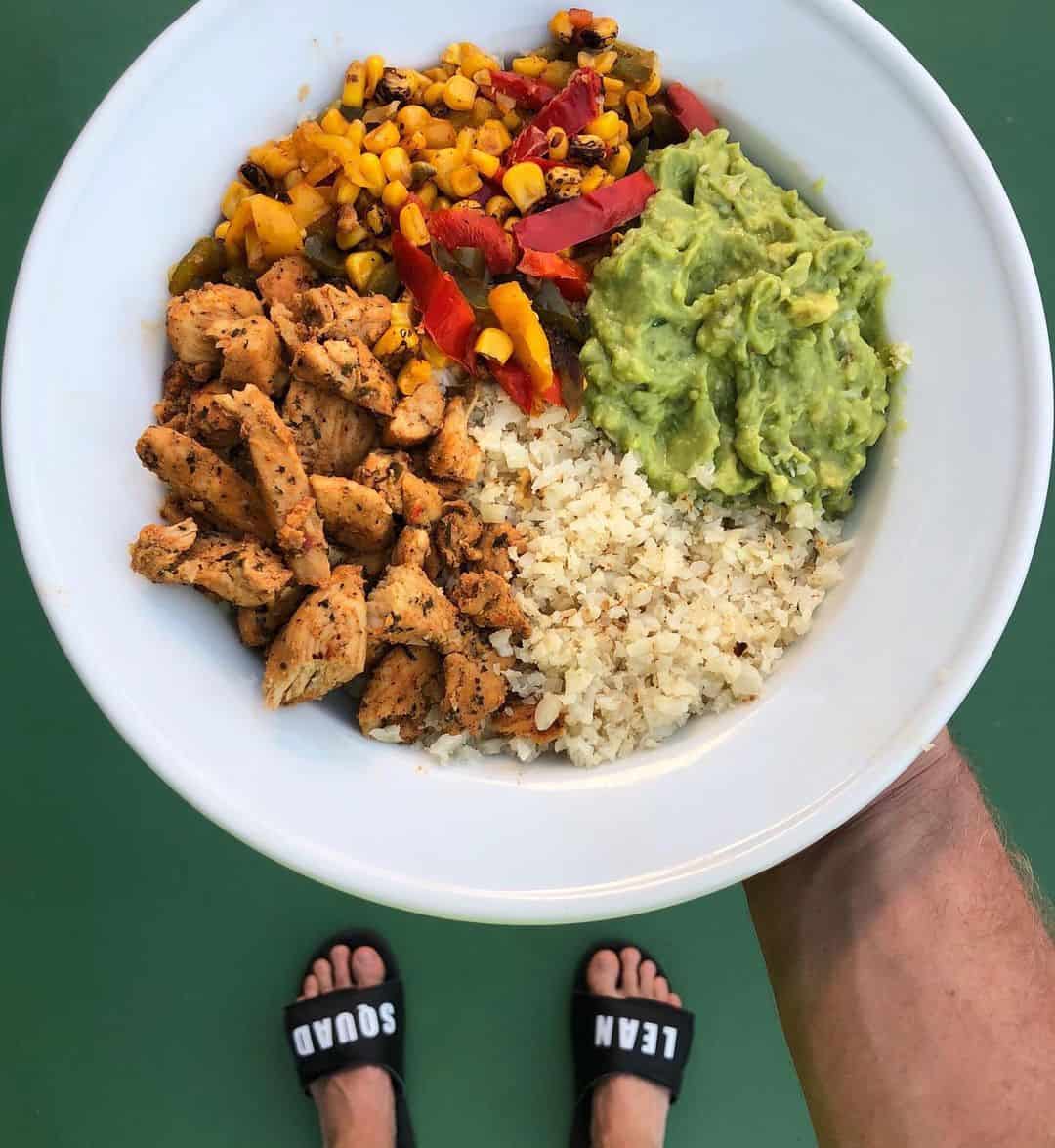
Clean Eatz Kitchen Weight Loss Meal Plan
Chef-prepared, portion-controlled meals designed for real weight loss results. No cooking required. No calorie counting. Just fresh food that works.
View on AmazonHow Does the Bone Broth Diet Work?
The bone broth diet creates weight loss through caloric restriction and fasting. Two mini-fast days per week drop calorie intake to 300 to 500 calories. Five non-fasting days follow a paleo-style plan that eliminates carbohydrates, dairy, and processed foods from the meal structure.
So what do mini-fast days actually look like? The first option allows six cups of bone broth spread across the day. The second permits one low-carb snack plus five cups of bone broth. Both options keep total daily calories well below the typical 1,800 to 2,400 calorie range.
Non-fasting days center around whole and minimally processed foods. Meals consist of meat, fish, poultry, eggs, nonstarchy vegetables, healthy fats, and bone broth. The diet recommends organic, pasture-raised animal products whenever possible for higher nutrient density.
What Can You Eat on Non-Fasting Days?
Non-fasting days include protein, vegetables, and healthy fats. Lean meats, wild-caught fish, pasture-raised eggs, and poultry form the protein foundation. Nonstarchy vegetables like leafy greens, broccoli, cauliflower, and zucchini fill the carbohydrate portion of each plate.
Healthy fats come from avocado, olive oil, coconut oil, nuts, and seeds. These fats support hormone production and help maintain satiety between meals. Sweet potatoes are the only starchy food allowed on non-fasting days, and portions remain small.
Approved Foods on Non-Fasting Days:
- Lean meats: chicken, turkey, grass-fed beef
- Wild-caught fish: salmon, cod, sardines
- Pasture-raised eggs
- Nonstarchy vegetables: leafy greens, broccoli, cauliflower, zucchini
- Healthy fats: avocado, olive oil, coconut oil, nuts, seeds
- Sweet potatoes (in small portions)
What Foods Does the Bone Broth Diet Restrict?
Sugar and sugar substitutes are completely eliminated for 21 days. Potatoes (except sweet potatoes), legumes, refined fats, dairy products, sodas, and alcoholic beverages also fall on the restricted list. All grains, including whole grains, are removed from the meal plan.
The elimination list mirrors standard paleo diet restrictions. Processed foods, artificial ingredients, and refined carbohydrates stay out of the kitchen. The goal is to reduce inflammatory foods while keeping the diet focused on nutrient-dense whole food sources only.
Restricted Foods on the Bone Broth Diet:
- Sugar and artificial sugar substitutes
- All grains (wheat, rice, oats, corn)
- Dairy products (milk, cheese, yogurt)
- Legumes (beans, lentils, peanuts)
- Potatoes (except sweet potatoes)
- Refined fats and vegetable oils
- Sodas and alcoholic beverages
Does the Bone Broth Diet Help You Lose Weight?
Yes. The bone broth diet does produce short-term weight loss. The combination of caloric restriction on fasting days and carbohydrate elimination on non-fasting days creates a consistent weekly caloric deficit. Healthline gave the diet a weight loss score of 2.83 out of 5.
But here’s the part most people miss. The claimed results of 15 pounds and 4 inches in 21 days come from unpublished research. No peer-reviewed clinical trial has directly tested the bone broth diet specifically. The weight loss mechanism relies on general principles of caloric deficit and intermittent fasting rather than any unique property of bone broth itself.
The diet may not outperform a standard reduced-calorie approach. Why does that matter? Weight loss occurs because total weekly calories drop significantly, not because bone broth contains a special fat-burning compound. Any diet creating a similar caloric deficit would likely produce comparable results.
How Much Weight Can You Lose on a Bone Broth Cleanse?
Most participants lose 5 to 15 pounds (2.3 to 6.8 kg) in 21 days. The wide range depends on starting weight, adherence to the fasting schedule, and individual metabolic factors. Water weight accounts for a significant portion of early losses during the first week.
Sustained weight loss after the 21-day program requires continued caloric management. The 80/20 maintenance plan allows flexibility while maintaining the dietary framework. Following the paleo-style eating pattern 80% of the time and allowing indulgences 20% of the time aims to prevent weight regain.
What Are the Health Benefits of Bone Broth?
Bone broth delivers collagen, protein, and essential minerals. A single cup provides 8 to 10 grams of protein alongside calcium, magnesium, and phosphorus. The collagen content supports connective tissue health and provides the amino acids glycine and proline.
Here’s why that matters on fasting days. The protein content helps maintain satiety when solid food isn’t on the menu. Protein takes longer to digest than carbohydrates, keeping hunger signals suppressed for extended periods. Bone broth also provides electrolytes that standard water fasting lacks, reducing common side effects like fatigue and headaches.
And it gets better. Gelatin from the broth supports digestive health. The amino acid glycine stimulates stomach acid production and promotes the integrity of the intestinal lining. Glutamine, another amino acid in bone broth, serves as a primary fuel source for intestinal cells.
Key Nutrients in Bone Broth:
| Nutrient | Amount per Cup | Primary Benefit |
|---|---|---|
| Protein | 8-10 grams | Satiety and muscle maintenance |
| Collagen | Varies by cook time | Connective tissue support |
| Glycine | Varies | Digestive health, sleep quality |
| Calcium | Trace amounts | Bone health |
| Magnesium | Trace amounts | Muscle and nerve function |
Can Bone Broth Improve Gut Health?
Yes. Bone broth does support intestinal lining integrity. The gelatin in bone broth attracts and holds liquids in the digestive tract, which supports healthy digestion. Glutamine protects the mucosal lining of the intestines and helps maintain the barrier between the gut and bloodstream.
Glycine contributes additional digestive benefits. Does it make a noticeable difference? The amino acid stimulates production of stomach acid needed for proper protein digestion. Adequate stomach acid prevents the bloating, gas, and discomfort that occur when proteins enter the intestines only partially broken down.
Does Bone Broth Really Reduce Joint Pain?
The evidence remains limited for joint pain relief claims. Bone broth contains glucosamine and chondroitin from cartilage, both of which are sold as joint health supplements. The concentrations in bone broth vary widely depending on cooking time, bone type, and preparation method.
Here’s what no one tells you: no direct clinical study has tested bone broth specifically for joint pain reduction. The joint health claims extrapolate from supplement studies on isolated glucosamine and chondroitin. The amounts in a typical cup of bone broth may fall below the therapeutic doses used in those clinical trials.
What Are the Risks of the Bone Broth Diet?
The bone broth diet restricts calories to potentially unsustainable levels. Mini-fast days at 300 to 500 calories fall well below the minimum recommended daily intake. Extended caloric restriction can slow metabolic rate and reduce energy availability for daily activities and exercise.
This is important: eliminating entire food groups for 21 days risks nutrient gaps. Removing all dairy, grains, and legumes cuts significant sources of calcium, B vitamins, and fiber. The diet doesn’t replace these nutrients through alternative food sources or supplementation recommendations.
Heavy metal contamination presents a potential concern with bone broth. Animal bones can accumulate lead and other heavy metals over the animal’s lifetime. A 2013 study published in Medical Hypotheses found that bone broth made from organic chicken bones contained several times the lead concentration of the water used to make it.
Primary Risks of the Bone Broth Diet:
- Calorie intake on fasting days falls below minimum recommendations
- Nutrient gaps from eliminating dairy, grains, and legumes
- Potential heavy metal exposure from animal bones
- Metabolic slowdown from extended caloric restriction
- Weight regain after the 21-day program ends
Who Should Avoid the Bone Broth Diet?
Pregnant and breastfeeding women should not follow this restrictive plan. The caloric restriction on fasting days falls far below the increased energy needs during pregnancy and lactation. Fetal development and milk production require consistent nutrient delivery that mini-fasting days cannot provide.
Our coaches at Optimal Weight Plan always recommend consulting a doctor before starting restrictive diets. Individuals with kidney disease should approach bone broth consumption cautiously due to the protein load. People with a history of eating disorders should also avoid any diet that includes fasting components.
Groups That Should Avoid the Bone Broth Diet:
- Pregnant or breastfeeding women
- Individuals with kidney disease
- People with a history of eating disorders
- Anyone on blood-thinning medication
- Children and adolescents
How Do You Make Bone Broth at Home?
Homemade bone broth requires bones, water, vinegar, and 12 to 24 hours. The diet recommends bones from organic, pasture-raised animals for the highest nutrient content. Knuckle, joint, and neck bones produce the richest collagen concentration due to their cartilage content.
The basic process starts with placing bones in a large pot or slow cooker. Two tablespoons (30 ml) of apple cider vinegar per batch help extract minerals from the bones. Vegetables like onions, carrots, and celery add flavor. The mixture simmers on low heat for 12 to 24 hours, then gets strained through a fine mesh sieve.
Steps to Make Bone Broth at Home:
- Place 2 to 3 pounds (0.9 to 1.4 kg) of bones in a large pot or slow cooker
- Add 2 tablespoons (30 ml) of apple cider vinegar and enough water to cover bones
- Add vegetables: onions, carrots, celery, garlic, and herbs
- Bring to a boil, then reduce heat to a low simmer
- Simmer for 12 to 24 hours (longer cooking extracts more collagen)
- Strain through a fine mesh sieve and discard solids
Homemade broth stores in the refrigerator for up to five days or in the freezer for up to six months. How do you know it’s done right? A properly made batch turns gelatinous when cooled, indicating high collagen extraction. Bone broth protein powder offers a convenient alternative for people who can’t dedicate time to the slow-cooking process.
Don’t want to cook for 24 hours? Commercial bone broth provides a practical alternative. Multiple brands sell ready-to-drink bone broth in grocery stores and online. Cleanse packages bundle chicken, beef, and herb-infused varieties for a full week of fasting with taste rotation built in.
Want Your Free Weight Loss Action Plan from Our OPTAVIA Coaches?
You’ve read the research. Now you need the plan. Our Independent OPTAVIA Coaches at Optimal Weight Plan build a free personalized action plan that goes beyond any 21-day program. You’ll get customized meal strategies, fasting schedules, and ongoing accountability from coaches who understand sustainable weight loss.
Don’t guess your way through another short-term diet. Our team at Optimal Weight Plan provides weekly check-ins, meal adjustments, and the kind of structured support that prevents the weight regain common after restrictive programs. Get your free action plan and start with a structured weight loss program built for lasting results.
Our Top Pick
Clean Eatz Kitchen Weight Loss Meal Plan
Chef-prepared, portion-controlled meals designed for real weight loss results. No cooking required. No calorie counting. Just fresh food that works.
View on Amazon