
Protein shakes for weight loss are concentrated beverages providing 20-30 grams of protein per serving to increase satiety, reduce hunger hormones, and preserve lean muscle during a calorie deficit. They work best alongside balanced meals and physical activity, not as a replacement for whole foods.
Protein decreases ghrelin and increases peptide YY, keeping users full on fewer daily calories. Whey isolate provides 28 grams of protein at 130 kilocalories, the highest protein-to-calorie ratio available. Casein sustains satiety for 5-7 hours and suits evening use. NSF or Informed Sport certification confirms ingredient accuracy and safety.
True fat loss becomes visible after 4-6 weeks of consistent daily use at a protein target of 1.6 grams per kilogram (0.7 grams per pound) of body weight. This guide covers which protein type to choose, what ingredients to avoid, and what results to expect at each stage of a weight loss plan.
What Are Protein Shakes for Weight Loss?
Protein shakes for weight loss are concentrated protein sources providing 20-30 grams per serving. Each serving increases total daily protein intake, supports satiety, and preserves muscle during a calorie deficit. They come as powders or ready-to-drink bottles depending on preference and lifestyle.
Here’s the thing: they’re not magic. Registered dietitians consistently describe protein shakes as ‘tools, not magic bullets.’ They work best alongside balanced meals and consistent physical activity. Results depend entirely on how well they integrate with the rest of the diet.
Powders allow calorie and macro customization by adjusting serving size and liquid base. Ready-to-drink options deliver convenience with a fixed nutritional profile per bottle. The right format depends on daily routine and how much control is needed over total calories.
Protein Shake Format Comparison:
| Format | Best For | Calorie Control |
|---|---|---|
| Powder (mixed with water) | Customizable macro targets | High: adjust serving size |
| Powder (mixed with milk) | Higher calorie needs | Moderate |
| Ready-to-drink bottle | Convenience, on-the-go | Fixed: no customization |
How Are Protein Shakes Different from Meal Replacement Shakes?
Protein shakes primarily deliver protein with minimal vitamins, minerals, or fiber. Meal replacement shakes provide a full macro and micronutrient profile covering 20-30% of daily vitamin needs per serving. The scope of nutritional coverage is the key distinction between the two products.
Here’s what that means in real numbers: protein shakes for weight loss contain 100-300 kilocalories per serving. Meal replacement shakes range from 300-600 kilocalories. That calorie gap reflects the different roles each product plays in a daily nutrition strategy.
Protein shakes supplement an existing diet for muscle repair and satiety. Meal replacements substitute an entire meal when there’s no time to eat a structured one. Choosing the wrong product for the goal produces weaker outcomes.
Our Top Pick
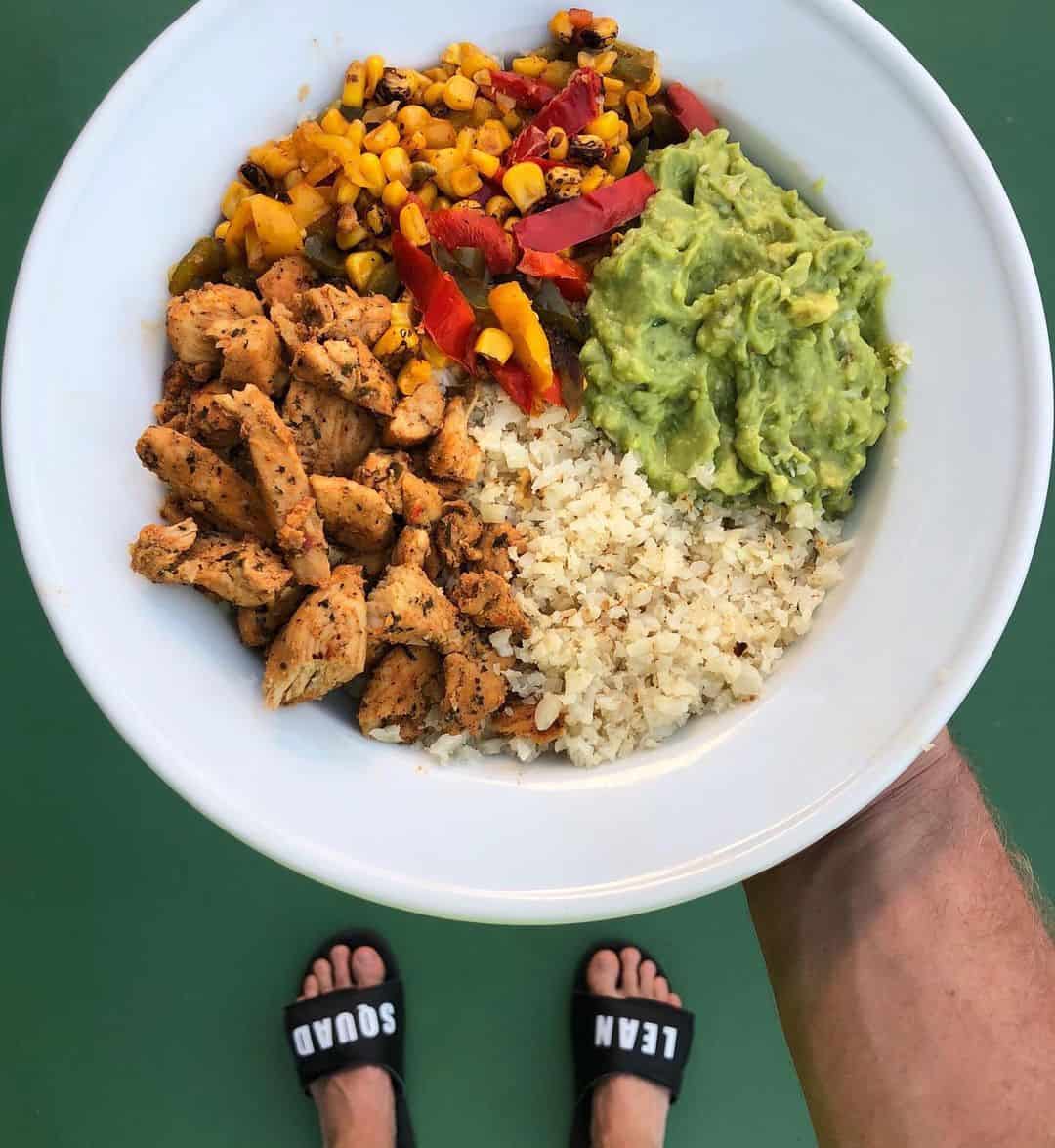
Clean Eatz Kitchen Weight Loss Meal Plan
Chef-prepared, portion-controlled meals designed for real weight loss results. No cooking required. No calorie counting. Just fresh food that works.
View on AmazonHow Do Protein Shakes Support Weight Loss?
Protein decreases ghrelin and increases peptide YY to control appetite. Ghrelin is the hormone that triggers hunger; peptide YY signals fullness. Shifting both hormones with a high-protein serving keeps users full on fewer total calories throughout the day.
And here’s the part most people miss: it’s not just about the calories in the shake. Increasing protein intake curbs cravings, especially during a calorie deficit. Reduced cravings lower the risk of unplanned snacking that quietly erodes the deficit every afternoon.
Whey protein suppresses appetite, boosts metabolism, and increases lean muscle mass. Lean muscle burns more calories at rest compared to fat tissue. Higher resting calorie burn compounds the effect of the deficit over weeks of consistent use.
Does Drinking Protein Shakes Help Burn Fat?
Yes. Protein shakes do support fat loss by sustaining the calorie deficit required to burn stored fat. The mechanism is indirect: stable blood sugar, reduced appetite hormones, and preserved muscle mass all work together to make the deficit easier to maintain over time.
In fact, stable blood sugar is the quiet engine behind the results. Adequate protein intake reduces the insulin spikes that promote fat storage. Lower insulin levels allow the body to access stored fat for energy during fasting periods between meals.
So, do protein shakes target belly fat? No. Total calorie deficit determines where and how much fat is lost. Protein preserves muscle during that deficit, improving overall body composition even when total weight loss appears gradual.
What Should You Look for in a Weight Loss Protein Shake?
A weight loss protein shake must provide at least 20 grams of protein, minimal added sugars, and 150-300 kilocalories per serving. These three criteria, recommended by registered dietitians, define the nutritional profile that supports a calorie deficit without sacrificing satiety. Starting with these numbers eliminates most poor-quality options fast.
In plain English: if it’s sweet, cheap, and heavily flavored, read the label twice. High-quality options use monk fruit or stevia and avoid artificial colors, flavors, carrageenan, and gum additives. Cleaner ingredient lists reduce digestive side effects and improve long-term compliance.
Third-party certifications from NSF International or Informed Sport confirm the product is free of banned substances. Ritual Essential Protein is the only option with Informed Sport certification on most major comparison lists. A certified product removes all uncertainty about ingredient accuracy and contaminant levels.
Weight Loss Protein Shake Checklist:
- 20+ grams of protein per serving
- 150–300 kcal per serving
- Under 8g added sugar per serving
- NSF International or Informed Sport certified
- No artificial colors, flavors, or sweeteners
- Free from carrageenan and gum additives
- Transparent ingredient labeling (no proprietary blends)
Which Type of Protein Is Best for Fat Loss?
Whey protein isolate is the top choice for fat loss due to its high protein-to-calorie ratio. Transparent Labs’ whey isolate provides approximately 28 grams of protein at 130 kilocalories with under 3 grams of carbohydrates and 1 gram of fat per serving. That profile maximizes protein intake while minimizing calorie contribution to the diet.
Now, here’s where casein earns its place. Casein protein digests slowly over 5-7 hours, producing prolonged satiety that reduces between-meal hunger and total daily calorie intake. The slow-release nature makes it ideal for evening use, preventing late-night snacking. Legion Casein+ is the top-cited option for this use case.
For vegans, organic pea protein isolate delivers high protein with a clean, allergen-free formula. It’s effective for building muscle and maintaining satiety without dairy or soy. It’s the preferred plant-based option for anyone avoiding animal products during a weight loss phase.
Protein Types for Fat Loss:
| Protein Type | Best Use | Key Advantage |
|---|---|---|
| Whey isolate | Morning / post-workout | 28g protein at 130 kcal, the highest protein-to-calorie ratio |
| Casein | Evening | Slow-digesting, sustains satiety for 5-7 hours |
| Pea protein | Any time (vegan) | Allergen-free, clean formula |
| Whey concentrate | Post-workout | Lower cost, slightly more carbs than isolate |
What Ingredients Should You Avoid in Protein Shakes?
Protein shakes containing multiple artificial sweeteners combined with carrageenan or gum additives cause digestive upset, gas, and bloating in sensitive users. A 2025 Consumer Reports study found concerning levels of lead in certain popular protein shakes. Third-party tested options eliminate both risks.
Pay attention to this: added sugar above 8 grams per serving causes insulin spikes that promote fat storage and undermine calorie deficit goals. High sugar content is common in flavored RTD options designed for palatability rather than weight management. Checking the label for added sugar is a non-negotiable step before purchasing.
Products with undisclosed ‘proprietary blend’ labels don’t allow users to verify actual protein content or the absence of contaminants. Transparent labeling is the baseline standard for quality. Any shake that doesn’t list exact ingredient amounts per serving isn’t appropriate for structured weight loss use.
Ingredients to Avoid:
- Multiple artificial sweeteners combined (erythritol + sucralose + acesulfame-K)
- Carrageenan
- Xanthan gum or other gum additives in high quantities
- Added sugar over 8g per serving
- Proprietary blends without disclosed amounts
- Artificial colors or flavors
What Are the Benefits of Protein Shakes for Weight Loss?
Protein shakes reduce cravings and overeating by shifting hunger and satiety hormones. Lower ghrelin and higher peptide YY make it easier to maintain a calorie deficit without constant hunger between meals. This hormonal advantage is the most evidence-backed mechanism behind protein shake effectiveness.
What’s more, they remove the biggest daily obstacle: food prep. Protein shakes provide a portable, fast protein source for people who can’t prepare high-protein meals during busy days. Convenience is the most cited practical reason for adoption among working adults managing a weight loss plan.
And it gets better. Quality options also close nutrient gaps. Fairlife CorePower provides 26 grams of protein and 50% of the daily value for calcium per 170-kilocalorie bottle. Our team at Optimal Weight Plan sees this regularly: clients who use fortified protein shakes experience fewer energy dips during a calorie deficit than those who don’t supplement.
Can Protein Shakes Help You Keep Muscle While Losing Weight?
Yes. Protein shakes do preserve lean muscle mass during a calorie deficit when consumed at target levels. The evidence-based target is 1.6 grams per kilogram (0.7 grams per pound) of body weight daily. Protein shakes are the most efficient way to hit this target alongside a reduced-calorie diet.
Why does muscle matter during weight loss? Preserved muscle burns more calories at rest than fat tissue. Maintaining lean mass keeps the metabolic rate higher and produces better long-term body composition outcomes. Individuals who lose weight while preserving muscle look leaner at the same body weight compared to those who lose muscle alongside fat.
How Do You Use Protein Shakes Correctly for Weight Loss?
Protein shakes work best as a supplement to a whole-food-based meal plan. The plan should include lean proteins, fibrous vegetables, whole grains, and healthy fats alongside the shakes. Shakes aren’t designed to substitute for all whole foods in the diet.
Timing matters more than most people think. Post-workout use supports muscle recovery and replenishes protein synthesis. Morning use replaces higher-calorie breakfast options and controls appetite through the first half of the day. Casein-based shakes work best in the evening for sustained overnight satiety that reduces morning hunger.
And don’t overlook the liquid base. Unsweetened almond, oat, or coconut milk keeps total shake calories within the 150-300 kilocalorie target. Juice or sweetened dairy adds 100-200 kilocalories and undermines the deficit. It’s a small decision with a meaningful impact on daily totals.
Protein Shake Timing Guide:
| Time of Day | Best Protein Type | Purpose |
|---|---|---|
| Morning | Whey isolate | Replace high-calorie breakfast, control AM appetite |
| Post-workout | Whey isolate or concentrate | Muscle recovery and protein synthesis |
| Afternoon snack | Whey or pea protein | Bridge gap between meals, reduce PM cravings |
| Evening | Casein | Sustained satiety overnight, reduce morning hunger |
How Many Protein Shakes Can You Drink Per Day?
One to two protein shakes per day is the practical range for most people pursuing weight loss. Two shakes per day accelerates results when whole-food protein sources are limited due to schedule or food preference. The second shake should replace a higher-calorie snack or light meal, not supplement an already adequate diet.
Replacing all meals with protein shakes leads to quick short-term weight loss but is nutritionally incomplete and unsustainable. Whole foods provide antioxidants and phytochemicals that protein shakes can’t replicate. A diet built entirely around shakes lacks the dietary variety required for long-term metabolic and gut health.
What Results Can You Expect from Protein Shakes for Weight Loss?
Protein shakes contribute to steady fat loss of 0.5-1 kilogram (1-2 pounds) per week when combined with a calorie deficit, balanced diet, and consistent physical activity. Results are steady rather than dramatic. That’s a feature, not a flaw. Sustainable fat loss beats a rapid drop that reverses in three weeks.
Think of it this way: the scale isn’t the best metric. Users who hit protein targets of 1.6 grams per kilogram (0.7 grams per pound) of body weight while in a calorie deficit lose fat while preserving muscle. Body composition improvement is the real goal. Total scale weight can appear modest even when significant fat is lost and muscle is retained.
Early results in weeks 1-2 mostly reflect reduced water retention from lower carbohydrate intake. Is that bad? No. It’s the body resetting. Measurable fat loss and body composition change become visible after 4-6 weeks of consistent daily use.
Expected Results Timeline:
| Timeframe | Typical Outcome | Primary Driver |
|---|---|---|
| Week 1–2 | 0.5–1.5 kg (1–3 lbs) lost | Water weight and reduced carb intake |
| Week 3–4 | True fat loss begins | Sustained calorie deficit |
| Week 4–6 | Visible body composition change | Protein target met + calorie deficit |
| Week 6+ | Measurable fat lost, muscle preserved | Consistent daily protein intake |
How Long Does It Take to See Results from Protein Shakes?
Weeks 1-2 show 0.5-1.5 kilograms (1-3 pounds) of weight reduction driven mostly by water weight loss as the body adjusts to higher-protein, lower-carbohydrate intake. This early drop is real but doesn’t represent fat loss. True fat loss begins once the calorie deficit is sustained consistently beyond the first two weeks.
The good news? Real, visible results emerge after 4-6 weeks of hitting daily protein targets alongside a controlled calorie intake. The 6-week mark is the practical benchmark for evaluating whether the strategy is working. Adjustments to total calories or protein targets should wait until this benchmark is reached.
Want Your Free Weight Loss Plan from Our OPTAVIA Coaches?
You have the research. Now you need the plan. Our Independent OPTAVIA Coaches at Optimal Weight Plan build a personalized weight loss strategy that integrates your protein shake timing, calorie targets, and daily meal structure. Not a template. A real plan built around where you’re starting from and what your schedule actually looks like.
Supervised programs beat self-directed diets. Every time. A coach tracks progress, adjusts when results plateau, and provides the accountability that separates people who hit their goal from people who restart the same structured weight loss program every January. Don’t guess your way to results.
What Does the Optimal Weight Plan Protein Strategy Include?
The free plan from Optimal Weight Plan includes daily protein targets, recommended shake types, meal timing guidelines, and coaching check-ins. Each component is tailored by Independent OPTAVIA Coaches to the client’s starting weight, activity level, and goal. It’s a complete framework, not a PDF of general nutrition advice.
Sign up and it goes straight to the inbox. No purchase required to receive the initial 12-week roadmap. Getting the plan is the first step toward a coach-supported approach that actually holds.
Our Top Pick
Clean Eatz Kitchen Weight Loss Meal Plan
Chef-prepared, portion-controlled meals designed for real weight loss results. No cooking required. No calorie counting. Just fresh food that works.
View on Amazon