

The best food for migraine relief includes magnesium-rich leafy greens, omega-3 fatty fish, fiber-rich whole grains, and hydrating fruits and vegetables. These foods address the core nutritional deficiencies and inflammatory pathways linked to migraine attacks.
Research confirms that magnesium intake reduces migraine odds, omega-3 fatty acids lower attack frequency and intensity, and every 10 grams of daily fiber decreases severe headache prevalence by 11 percent. Dehydration is one of the most common and preventable migraine triggers. What you eat and drink directly shapes how often and how severely migraines occur.
This guide covers the best foods for migraine relief, which foods to avoid, how blood sugar and gut health connect to attacks, and how to build a consistent migraine-friendly diet. Our coaches at Optimal Weight Plan include dietary guidance for chronic pain and headache management in our full nutrition protocols.
What Is the Connection Between Food and Migraines?
Food influences migraine frequency and severity through inflammation, blood sugar stability, and nutrient status. Migraines are a neurological condition with multiple physiological triggers. Diet is one of the most modifiable of those triggers. Specific nutrients either support or disrupt the brain chemistry and vascular regulation involved in migraine attacks.
Nutrient deficiencies are common in people with frequent migraines. Deficiencies in vitamin B2, B6, B12, vitamin D, folate, magnesium, CoQ10, and omega-3 fatty acids are all associated with worsening migraine frequency and severity. These nutrients play roles in mitochondrial function, anti-inflammatory pathways, and antioxidant status. Each deficiency compounds the others.
Dietary triggers vary significantly between individuals. The International Classification of Headache Disorders recognizes that food substances can cause headaches within 12 hours of ingestion. Commonly reported triggers include caffeine, alcohol, aged cheeses, nitrites, nitrates, MSG, tyramine, and artificial sweeteners. Individual response varies, and trigger identification requires personal tracking.
How Do Food Triggers Cause Migraines?
Food triggers cause migraines by activating neurological and vascular pathways that the migraine brain is already sensitized to. Certain food compounds interact directly with trigeminal nerve pathways and vascular regulation systems. Tyramine, histamine, and MSG are the most studied biochemical triggers. Each activates pain signaling or alters blood vessel dilation in susceptible individuals.
The omega-6 fatty acid arachidonic acid, found in animal products, is a precursor to prostaglandin E2 and leukotriene B4. Both compounds are elevated during active migraine attacks. Diets high in omega-6 fats amplify this inflammatory cascade. Reducing omega-6 intake while increasing omega-3 intake suppresses this pathway at its source.
Blood sugar fluctuations trigger migraines through a separate mechanism. Skipping meals or eating high-glycemic foods causes rapid glucose drops. Low blood glucose activates the hypothalamus and stress hormone pathways. These pathways overlap with migraine neurology, which is why missing a meal reliably precedes an attack in many sufferers.
Can Eating the Right Foods Prevent Migraines?
Yes. A consistent, nutrient-dense diet reduces migraine frequency and intensity by addressing the underlying deficiencies and inflammatory drivers. Research from the American Migraine Foundation confirms that dietary factors play a direct role in both triggering and preventing attacks. The goal is not a perfect migraine-proof diet but a stable nutritional baseline that reduces the brain’s vulnerability to attacks.
Dietary interventions shown effective in clinical studies include low-fat diets, high omega-3 diets, plant-based diets, and Mediterranean dietary patterns. A 2023 study found a link between plant-based diets and lower migraine headache frequency. The LIFE diet, a nutrient-dense whole food plant-based approach, showed migraine reversal and prevention in published research.
The evidence is consistent enough to guide practical choices. Eat magnesium-rich foods daily. Increase fatty fish consumption. Prioritize fiber. Stay hydrated. Avoid known personal triggers. These steps don’t require a special diet program. They require consistent food habits built around whole, unprocessed ingredients.
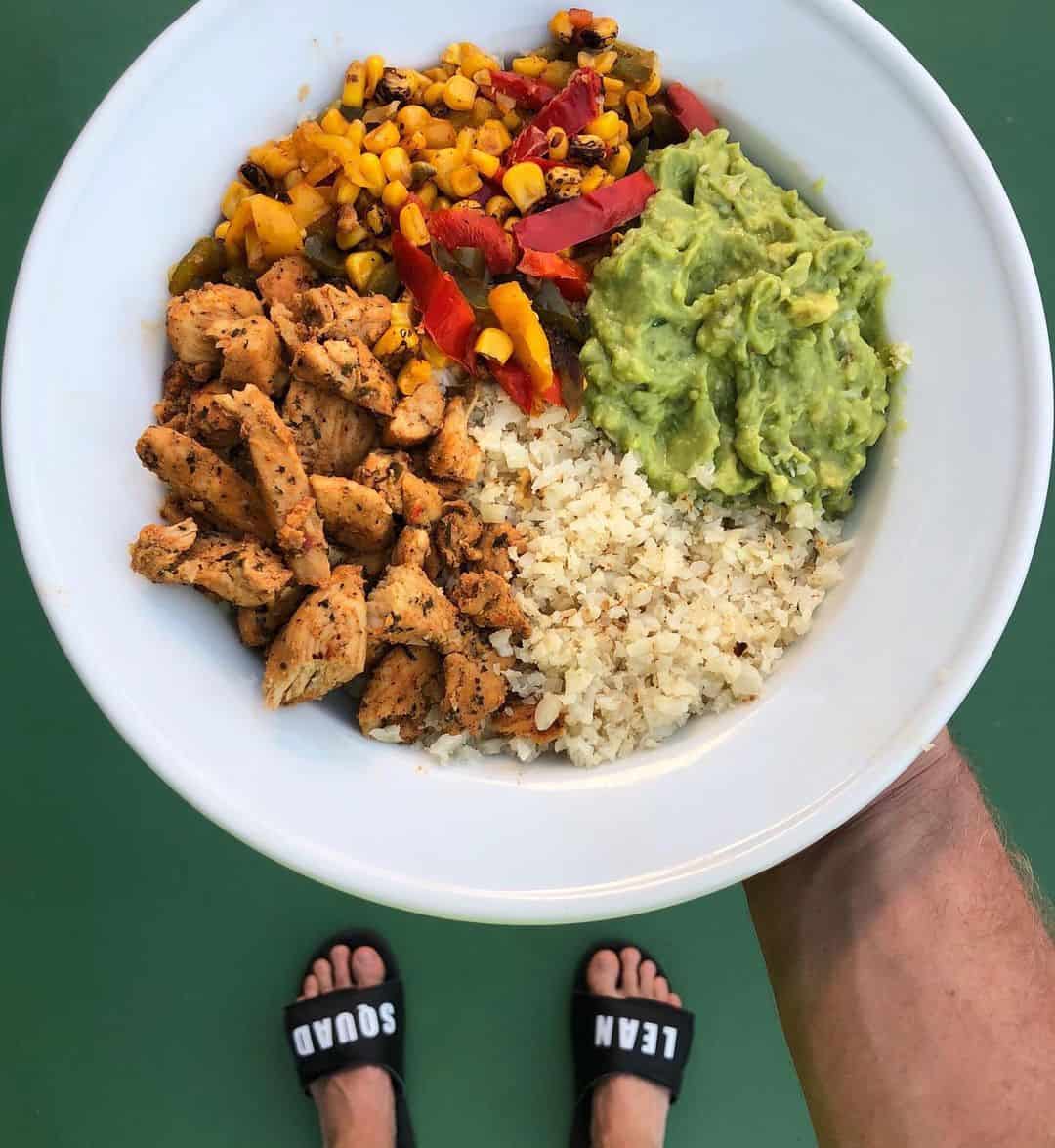
Our Top Pick
Clean Eatz Kitchen Weight Loss Meal Plan
Chef-prepared, portion-controlled meals designed for real weight loss results. No cooking required. No calorie counting. Just fresh food that works.
View on AmazonWhat Are the Best Foods for Migraine Relief?
The best foods for migraine relief are magnesium-rich vegetables, omega-3 fatty fish, hydrating fruits, and fiber-dense whole grains. These foods work through anti-inflammatory mechanisms, nutrient replenishment, and blood sugar stabilization. Incorporating them daily builds a nutritional foundation that reduces both the frequency and severity of attacks over time.
Ginger stands out as a functional food for acute migraine symptoms. Ginger contains gingerols and shogaols with measurable anti-inflammatory and anti-nausea properties. Nausea accompanies the majority of migraine attacks. Ginger tea or fresh ginger consumed at onset addresses this symptom directly and supports faster recovery.
Safe, ‘pain-neutral’ foods identified by the Physicians Committee for Responsible Medicine include brown rice, well-cooked green, orange, and yellow vegetables, and dried or cooked non-citrus fruits. These foods are documented to not trigger migraines in the vast majority of sufferers. During an active attack, defaulting to these simple, non-triggering foods reduces the risk of worsening the episode.
Best foods for migraine relief:
- Leafy greens (spinach, kale, Swiss chard) — magnesium and antioxidants
- Fatty fish (salmon, mackerel, sardines) — omega-3 EPA and DHA
- Avocado — magnesium and healthy fats
- Bananas — potassium and blood sugar stabilization
- Ginger — anti-nausea and anti-inflammatory compounds
- Brown rice and oats — blood sugar stability, safe for most sufferers
- Figs — potassium and anti-inflammatory properties
- Pumpkin and sunflower seeds — magnesium per 30g (1 oz) serving
Do Magnesium-Rich Foods Help With Migraines?
Yes. Magnesium-rich foods lower the odds of developing a migraine by supporting nerve function and blood vessel regulation. A 2021 study found that higher dietary magnesium intake correlates with reduced migraine risk. A separate study confirmed that magnesium supplementation reduces attack frequency. Both findings point to the same conclusion: magnesium deficiency amplifies migraine vulnerability.
Do magnesium levels really make that much difference? In a study of over 10,000 adults, those with the highest magnesium intake had significantly fewer migraines than those with the lowest levels. Magnesium’s role in muscle relaxation, neurotransmitter balance, and vascular tone makes it a direct factor in migraine physiology, not a peripheral nutrient.
Dietary magnesium sources are widely available and easy to incorporate. Spinach delivers 157 milligrams (5.5 oz) per cooked cup (240 mL). Almonds deliver 80 milligrams (2.8 oz) per 30-gram (1 oz) serving. Avocado delivers 58 milligrams (2 oz) per medium fruit. Whole grains, black beans, and tuna round out accessible daily sources. Prioritizing these foods builds the magnesium baseline that migraine prevention requires.
Can Omega-3 Fatty Acids Reduce Migraine Frequency?
Yes. Omega-3 fatty acids reduce both the frequency and intensity of migraine attacks in clinical studies. A 2021 randomized study confirmed that long-chain omega-3 polyunsaturated fatty acids (EPA and DHA) produce prophylactic benefit with favorable tolerability. An NIH-supported trial published in The BMJ found that a higher fatty fish diet reduced monthly migraine headaches and pain intensity compared to a diet higher in vegetable-based fats.
Here’s why it works. Omega-6 arachidonic acid, dominant in Western diets high in vegetable oils and animal products, drives the production of prostaglandin E2 and leukotriene B4. These eicosanoids are elevated during migraine attacks. Increasing the ratio of omega-3 to omega-6 fatty acids suppresses this inflammatory pathway. The same mechanism NSAIDs target pharmacologically, diet targets nutritionally.
Two to three servings of fatty fish per week is the practical target for migraine management. Salmon, mackerel, sardines, herring, and oysters deliver the highest concentrations of EPA and DHA. Plant-based omega-3 sources including flaxseed, chia seeds, and walnuts provide ALA, which converts to EPA and DHA at lower rates. For non-fish eaters, algae-based omega-3 supplements provide a direct EPA/DHA source.
What Foods Should You Avoid to Prevent Migraines?
Foods most commonly associated with migraine triggers include aged cheeses, cured meats, alcohol, MSG, artificial sweeteners, and nitrite-preserved foods. The International Classification of Headache Disorders identifies these categories as substances capable of triggering headaches within 12 hours of ingestion. Individual sensitivity varies, but these categories account for the majority of reported dietary triggers across migraine populations.
Processed meats are a high-risk category due to nitrites, nitrates, and often MSG. Bologna, pepperoni, salami, hot dogs, jerky, and pre-packaged deli meats all fall into this group. Fresh, unprocessed meats, poultry, and fish are the safe alternatives. The trigger is the additive content, not the protein itself.
Artificial sweeteners add a separate risk layer. Aspartame (Equal, NutraSweet) appears on migraine trigger lists consistently. The mechanism involves excitatory neurotransmitter activity. Sucralose (Splenda) is generally considered safe. Sucrose (table sugar) is also on the acceptable list. Reading ingredient labels for aspartame is essential for anyone with frequent migraines.
Foods and additives to avoid or limit:
- Aged cheeses (brie, cheddar, parmesan, blue, gouda, swiss)
- Cured and processed meats (salami, pepperoni, hot dogs, jerky)
- Alcohol — especially red wine, beer, and sherry
- MSG and ‘natural flavoring’ or ‘flavor enhancer’ in ingredient lists
- Aspartame in diet drinks and sugar-free products
- Nitrites and nitrates in packaged meats
- Smoked fish and fermented condiments (soy sauce, miso)
Does Tyramine in Food Trigger Migraines?
Tyramine is a commonly reported migraine trigger, but clinical evidence remains inconclusive across controlled studies. Tyramine is a naturally occurring compound produced by the breakdown of the amino acid tyrosine during aging and fermentation. High-tyramine foods include aged cheeses, cured meats, smoked fish, beer, red wine, yeast extract spreads, and fermented condiments. Many migraine sufferers report attacks following these foods.
Here’s what the science actually shows. A 2023 systematic review of seven nonrandomized studies found the connection between tyramine-containing foods and migraine remains unclear. A review of randomized, double-blind, placebo-controlled studies failed to establish tyramine as a direct cause of headache or migraine. The evidence does not confirm tyramine as a universal trigger, but individual sensitivity is real and consistent for some people.
The practical approach is tracking, not blanket elimination. Some individuals report highly consistent and reproducible attacks following specific tyramine-rich foods. For these individuals, a low-tyramine diet is a legitimate management tool. For those without a clear personal connection, eliminating aged cheese and fermented foods is not necessary. A food diary over four weeks identifies whether tyramine is a personal trigger or not.
How Does Caffeine Affect Migraines?
Caffeine acts as both a migraine trigger and a relief agent depending on consumption pattern and amount. Small, consistent daily caffeine intake can reduce headache pain and is included in some over-the-counter migraine medications like Excedrin. The same caffeine that helps at low doses triggers attacks when intake is inconsistent, excessive, or suddenly reduced. Caffeine withdrawal is a well-documented and highly reliable migraine trigger.
Is caffeine safe for migraine sufferers? It depends entirely on consistency. Keeping caffeine intake to no more than two servings per day and maintaining the same amount and timing every day — including weekends — reduces withdrawal risk. Variability in daily caffeine intake is the primary problem, not caffeine itself.
Cutting caffeine requires a gradual reduction strategy. Stopping suddenly after regular consumption reliably triggers a multi-day withdrawal headache. A reduction of 25 percent of daily intake per week allows the brain to adapt without triggering the rebound effect. Switching to naturally decaffeinated coffee or caffeine-free herbal teas like chamomile maintains the drink ritual without the neurological dependency.
How Does Blood Sugar Affect Migraine Frequency?
Blood sugar instability triggers migraines by activating hypothalamic stress pathways that overlap with migraine neurology. Skipping meals is one of the most universally reported migraine triggers across clinical populations. Rapid glucose drops caused by meal skipping, long gaps between eating, or high-glycemic food followed by a crash all produce the same physiological stress signal. That signal sensitizes the trigeminal nerve and promotes cortical spreading depression, the wave of electrical activity that initiates a migraine attack.
The gut-brain axis adds another layer. Emerging research shows that gut microbiome health influences migraine frequency through inflammatory signaling and neurotransmitter production. Serotonin, a key neurotransmitter in migraine pathophysiology, is produced primarily in the gut. Fiber-rich and probiotic foods support the microbiome populations responsible for this production.
Regular meal timing is a foundational migraine prevention strategy. Eating at consistent intervals throughout the day — three meals plus a small snack between meals if needed — prevents the blood sugar fluctuations that sensitize the migraine brain. This is not about calorie counting. It is about maintaining a stable glucose supply to a neurologically vulnerable system.
What Foods Stabilize Blood Sugar and Reduce Migraines?
Complex carbohydrates and fiber-rich foods stabilize blood sugar by slowing glucose absorption and preventing rapid energy crashes. Foods like quinoa, sweet potatoes, oats, brown rice, and legumes digest slowly and provide a sustained glucose supply. These foods sit on every ‘migraine-safe’ food list across clinical guidelines. Fast-digesting refined carbohydrates produce the sugar spikes and crashes that destabilize the migraine brain.
So what does that mean in practice? A breakfast of oats with chia seeds and berries covers complex carbs, fiber, and magnesium simultaneously. Lunch built around leafy greens, grilled salmon, and sweet potato covers omega-3s, magnesium, and blood sugar stability in one meal. These are not complicated dietary adjustments. They are whole food substitutions for the processed and refined options that undermine neurological stability.
Snacking strategically prevents the between-meal glucose drops that trigger attacks. A banana with almonds provides potassium, magnesium, healthy fats, and fast-absorbing carbohydrate. Plain yogurt with berries provides protein, calcium, and antioxidants. Both options sustain blood sugar for two to three hours and deliver migraine-relevant nutrients in the process.
Blood sugar-stabilizing foods for migraine prevention:
| Food | Key Nutrients | Migraine Benefit |
| Oats | Fiber, magnesium, complex carbs | Slow glucose release, sustained energy |
| Sweet potato | Complex carbs, potassium, vitamin B6 | Blood sugar stability, anti-inflammatory |
| Brown rice | Complex carbs, B vitamins | Pain-safe, widely tolerated |
| Quinoa | Complete protein, magnesium, fiber | Sustained energy, magnesium supply |
| Lentils and beans | Fiber, protein, magnesium | Gut health, blood sugar control |
| Banana | Potassium, magnesium, fast carbs | Electrolyte balance, quick energy |
What Does the Science Say About a Migraine Diet?
The science supports dietary intervention for migraine management but stops short of recommending one universal diet for all sufferers. Multiple randomized controlled trials and systematic reviews confirm that dietary changes reduce migraine frequency and severity in subgroups of patients. No single diet works for everyone because migraine is a heterogeneous neurological condition with individual variation in triggers, deficiencies, and inflammatory profiles.
The Mediterranean diet, DASH diet, ketogenic diet, and plant-based diets all show positive associations with reduced migraine attacks in published research. The common feature across all effective dietary patterns is a high intake of whole, unprocessed foods alongside reduced intake of refined sugars, processed meats, and inflammatory fats. The mechanism is consistent even when the specific food patterns differ.
Here’s what no one tells you: the evidence for individual nutrients is stronger than the evidence for any named diet. Magnesium supplementation reduces attack frequency in controlled trials. Omega-3 fatty acids reduce frequency and intensity in RCTs and network meta-analyses. Vitamin B2 (riboflavin) reduces migraine frequency with favorable tolerability. CoQ10 supports mitochondrial function impaired in migraine physiology. These nutrients are obtainable from food. Prioritizing their dietary sources is the most evidence-based dietary action a migraine sufferer can take.
How Do You Build a Migraine-Friendly Diet Plan?
Building a migraine-friendly diet starts with establishing regular meal timing, increasing whole food intake, and identifying personal triggers through a food diary. The American Migraine Foundation recommends eating nutritious foods frequently throughout the day without skipping meals. A small healthy snack between meals prevents the blood sugar drops that sensitize the migraine brain between breakfast and lunch, or lunch and dinner.
Start with the structure, then add the trigger work. Build three daily meals around whole, unprocessed foods: lean proteins, vegetables, whole grains, and healthy fats. Once that structure is stable, keep a food diary for four weeks. Record what you eat and when attacks occur. Patterns reveal personal triggers more reliably than any elimination protocol applied without tracking.
The elimination diet approach works best when done systematically. Start with a simple baseline: brown rice, cooked vegetables, non-citrus fruits, and water. When attacks stop or reduce, reintroduce one food category every two days in generous amounts. Foods that provoke a return of attacks are confirmed personal triggers. Foods with no reaction return to the regular diet. This process takes six to eight weeks but produces individualized clarity that generic avoid-lists cannot.
Steps to build a migraine-friendly diet:
- Establish regular meal timing — three meals daily with no more than four to five hours between eating
- Build meals around leafy greens, fatty fish, whole grains, and legumes
- Hydrate consistently — six to eight cups (1.4 to 1.9 liters) of water daily
- Keep caffeine intake consistent in amount and timing every day
- Eliminate processed meats, aged cheeses, and alcohol for four weeks
- Keep a food diary — log all foods and note attack timing for pattern identification
- Reintroduce eliminated foods one at a time, every two days, in generous amounts
- Consult a physician or dietitian before eliminating entire food groups long-term
Want Your Free Migraine-Friendly Meal Plan from Our OPTAVIA Coaches?
You have the research. Now you need the plan that puts it into practice. Our Independent OPTAVIA Coaches at Optimal Weight Plan build personalized nutrition protocols that address the dietary foundations of chronic headache and migraine management. Consistent whole food nutrition, structured meal timing, and trigger identification are built into the plan from day one.
Most people read the research, feel overwhelmed, and change nothing. The coaches at Optimal Weight Plan make the change simple. They start with your current eating patterns, identify the highest-impact adjustments for your goals, and build a sustainable structure that doesn’t require you to track every gram or eliminate everything at once.
The free action plan arrives in your inbox at no cost. It includes your daily meal framework, recommended nutrients for a structured weight loss program with migraine-friendly food choices, and a simple tracking format for identifying personal triggers. Do not keep tolerating attacks that a structured nutrition approach can reduce.
Our Top Pick
Clean Eatz Kitchen Weight Loss Meal Plan
Chef-prepared, portion-controlled meals designed for real weight loss results. No cooking required. No calorie counting. Just fresh food that works.
View on Amazon