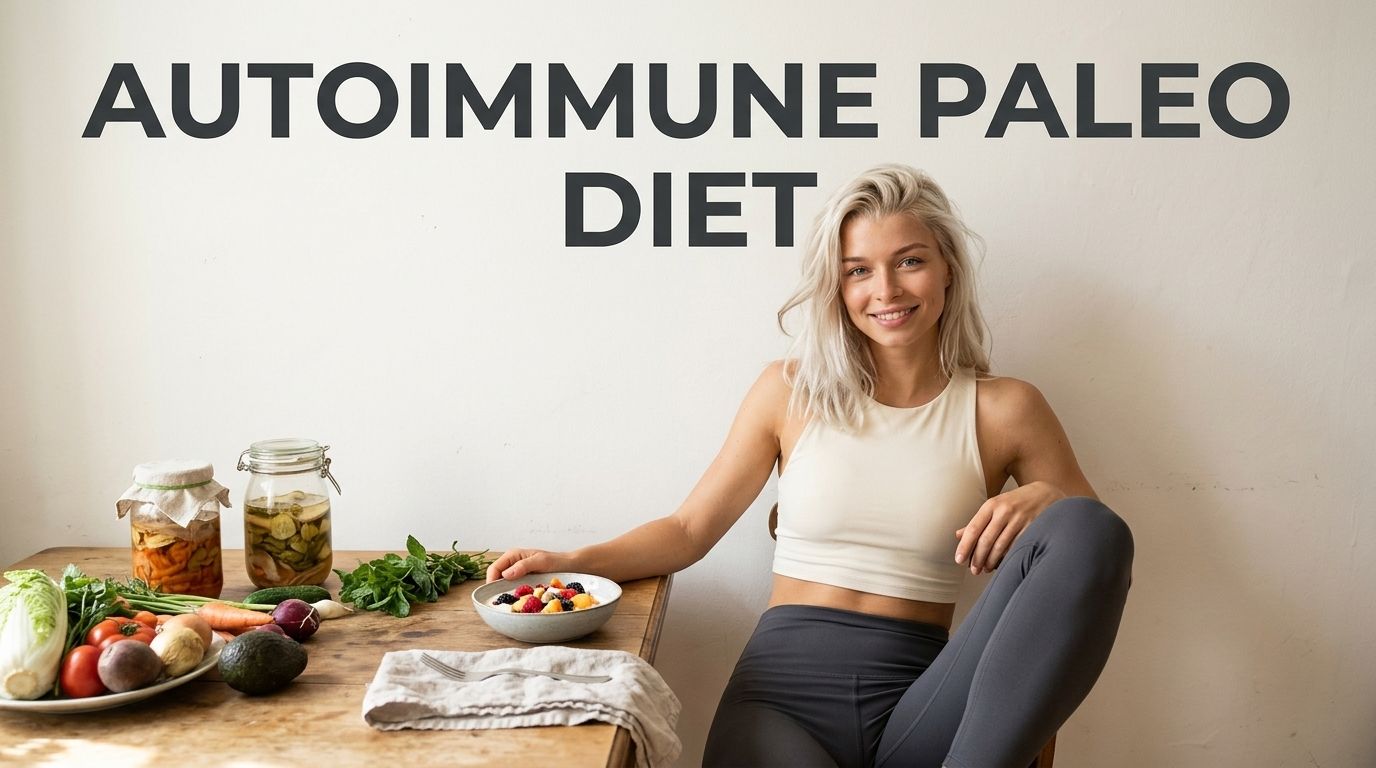
The autoimmune paleo diet (AIP) is a structured elimination protocol designed to reduce inflammation, heal the gut, and identify personal food triggers that drive autoimmune disease symptoms.
AIP works through two core phases: elimination and reintroduction. The elimination phase removes all inflammatory foods including grains, legumes, dairy, eggs, nightshades, nuts, and seeds. The reintroduction phase identifies individual triggers. Research shows AIP reduces symptoms in conditions like Crohn’s disease, Hashimoto’s, and rheumatoid arthritis.
This guide covers what AIP is, how it differs from paleo, which foods are approved and avoided, how long each phase takes, and the most common mistakes that stall results. Everything needed to run AIP correctly is covered below.
What Is the Autoimmune Paleo Diet?
The autoimmune paleo diet (AIP) is a strict elimination diet for autoimmune disease management. It removes inflammatory foods that trigger immune reactions and gut damage. The goal is to heal the gut lining and regulate immune function through targeted nutrition.
AIP was developed by Dr. Loren Cordain, a researcher in evolutionary medicine, and later popularized by Robb Wolf in his 2010 book ‘The Paleo Solution.’ Dr. Sarah Ballantyne of The Paleo Mom is now considered a leading AIP expert. The diet is rooted in the link between food, gut integrity, and autoimmune activation.
AIP targets people with diagnosed autoimmune diseases including Hashimoto’s thyroiditis, rheumatoid arthritis, lupus, psoriasis, multiple sclerosis, Crohn’s disease, and ulcerative colitis. It addresses the root driver of these conditions: chronic immune activation triggered by specific foods.
How Is AIP Different from Regular Paleo?
The AIP diet is a stricter, medically-targeted version of the paleo diet. Standard paleo removes grains, legumes, dairy, and processed foods. AIP additionally eliminates eggs, nuts, seeds, nightshade vegetables, alcohol, and coffee. That’s a significant step up in restriction.
Here’s the thing: paleo is a universal, horizontal plan. It’s the same for everyone. AIP is different. After reintroduction, each person develops a unique dietary pattern based on their individual food tolerances. No two AIP outcomes are identical.
The purpose differs fundamentally. People start paleo for general health and weight loss. People start AIP specifically to reduce autoimmune symptoms, reduce chronic inflammation, and identify personal immune triggers. The intent drives the design.
AIP vs. Paleo — Key Differences:
| Feature | Paleo | AIP |
| Eggs allowed | Yes | No (elimination phase) |
| Nuts and seeds | Yes | No (elimination phase) |
| Nightshade vegetables | Yes | No (elimination phase) |
| Coffee | Yes | No |
| Primary goal | General health, weight loss | Autoimmune symptom reduction |
| Personalization | Universal plan | Individualized via reintroduction |
What Conditions Can the AIP Diet Help?
Autoimmune diseases affect over 23.5 million Americans — more than 7% of the population — according to the National Institutes of Health. More than 80 distinct autoimmune diseases exist, and prevalence is rising. That’s not a small problem.
AIP targets conditions including Hashimoto’s thyroiditis, rheumatoid arthritis, lupus, psoriasis, multiple sclerosis, Crohn’s disease, ulcerative colitis, celiac disease, type 1 diabetes, and psoriatic arthritis. These conditions share a common driver: chronic immune activation linked to gut dysfunction.
In plain English: autoimmune diseases occur when the immune system attacks the body’s own tissues. AIP addresses this by removing food-based antigens that increase gut permeability and activate chronic immune responses. Reducing that input can reduce the immune system’s misfiring.
Autoimmune Conditions AIP May Help:
- Hashimoto’s thyroiditis
- Rheumatoid arthritis
- Lupus (SLE)
- Psoriasis and psoriatic arthritis
- Multiple sclerosis
- Crohn’s disease
- Ulcerative colitis
- Celiac disease
- Type 1 diabetes
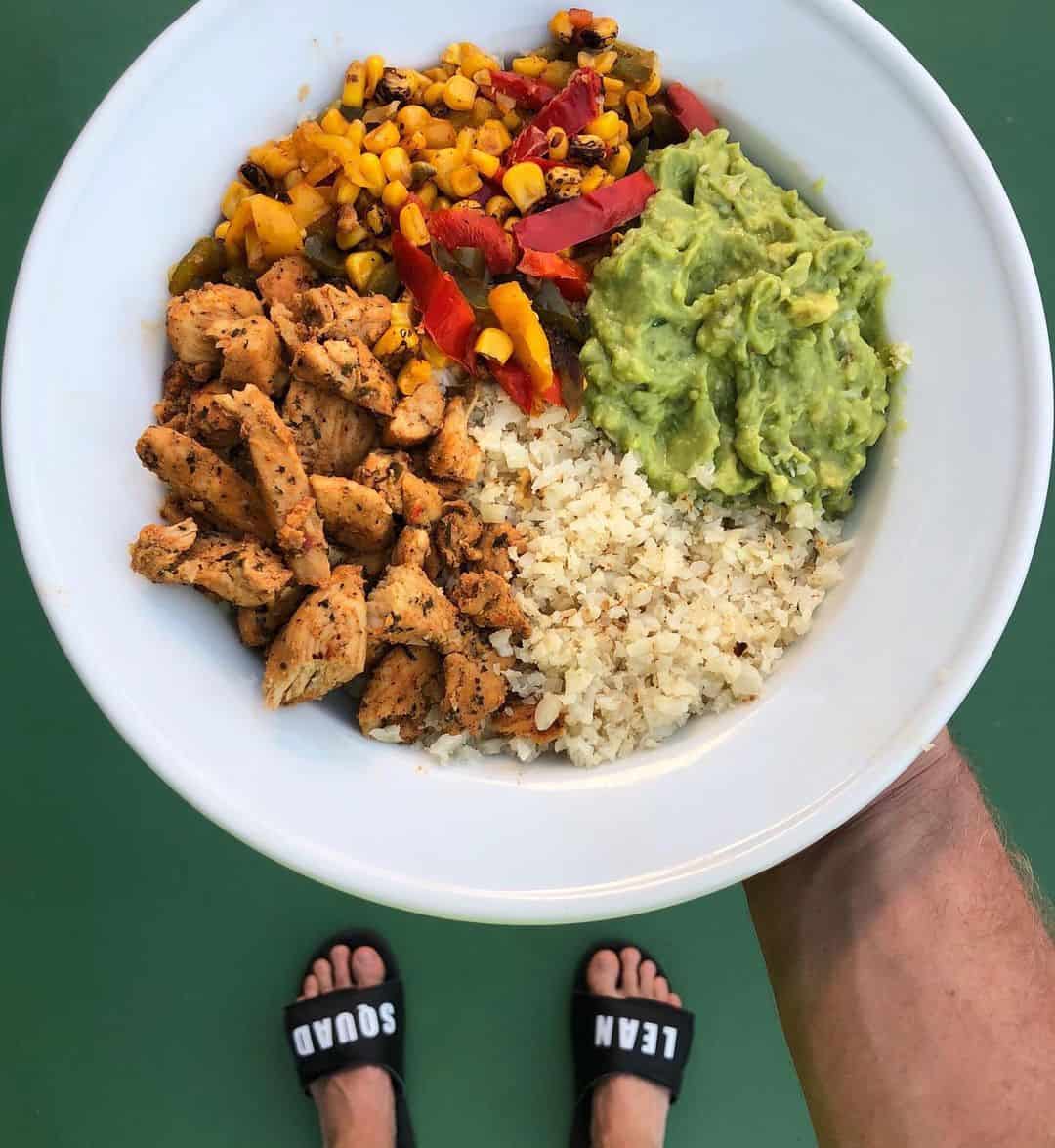
Our Top Pick
Clean Eatz Kitchen Weight Loss Meal Plan
Chef-prepared, portion-controlled meals designed for real weight loss results. No cooking required. No calorie counting. Just fresh food that works.
View on AmazonHow Does the Autoimmune Paleo Diet Work?
The autoimmune paleo diet works through two structured phases: elimination and reintroduction. The elimination phase removes all potential immune triggers. The reintroduction phase identifies which specific foods each individual cannot tolerate. Simple in concept. Demanding in practice.
Here’s why this matters: processed foods, pesticides, medications, and environmental toxins damage the gut microbiome. A compromised gut microbiome drives autoimmune, digestive, and neurological illness. AIP directly addresses this by removing gut-damaging inputs and replacing them with nutrient-dense, gut-supportive whole foods.
The Western diet dysregulates the gut barrier, disrupting gut homeostasis and immune response. Research links Western dietary patterns to increased autoimmune risk. AIP counters this by eliminating pro-inflammatory inputs and restoring gut lining integrity. It’s essentially a system reset.
AIP Diet Phases Overview:
- Elimination Phase: Remove all potential immune-trigger foods for 30-90 days
- Reintroduction Phase: Reintroduce one food at a time with 5-7 day monitoring windows
- Maintenance Phase: Sustain personalized long-term diet excluding confirmed triggers
What Is the Elimination Phase of AIP?
The elimination phase is the first and most critical stage of the AIP protocol. It removes all foods known to cause gut inflammation, bacterial imbalance, or immune activation. Most practitioners recommend maintaining elimination for 30-90 days or until symptoms have clearly improved.
The list is broad. And it’s broad on purpose. Foods eliminated include grains, legumes, nuts, seeds, nightshade vegetables, eggs, dairy, alcohol, coffee, refined sugars, vegetable oils, food additives, chocolate, dried fruit, and tapioca. The goal is to remove every possible immune trigger — not just the obvious ones.
So what does stay? Approved foods include non-nightshade vegetables, fresh fruits, grass-fed meats, organ meats, wild-caught fish, fermented foods, olive oil, coconut products, gelatin, arrowroot starch, vinegar, and herbs. These foods support gut healing and provide the nutrients needed for recovery.
What Is the Reintroduction Phase of AIP?
The reintroduction phase is a systematic protocol to identify personal food triggers. One food is reintroduced at a time in a small amount. Symptoms are then monitored for 5-7 days before the next food is introduced. This structure makes it possible to identify exactly which foods trigger reactions.
Pay attention to this: symptoms tracked during reintroduction include joint pain, fatigue, brain fog, digestive disturbances, and skin changes. Any symptom recurrence after reintroducing a food signals that food stays permanently eliminated. The process produces a personalized long-term dietary plan.
After reintroduction completes, the diet enters a maintenance phase that resembles paleo with personal exclusions. Only confirmed trigger foods remain eliminated. The maintenance diet can be sustained indefinitely. No more full elimination restrictions.
Step-by-Step Reintroduction Protocol:
- Choose one food to reintroduce — start with lowest-risk items like egg yolks
- Consume a small serving of that food on day one
- Monitor for symptoms over the next 5-7 days
- Record any joint pain, fatigue, brain fog, gut issues, or skin changes
- If no reaction occurs, that food can be added back to the diet
- If a reaction occurs, permanently eliminate that food
- Wait until symptoms fully settle before testing the next food
What Foods Can You Eat on the AIP Diet?
AIP approved foods focus on nutrient-dense, anti-inflammatory whole foods. Primary food groups include non-nightshade vegetables, fresh fruits, grass-fed meats, organ meats, wild-caught fish and seafood, fermented foods, olive oil, coconut oil, and herbs. It’s not a starvation diet. It’s a targeted one.
Here’s what no one tells you: organ meats are non-negotiable on AIP. Liver provides exceptionally high levels of vitamin A, B12, iron, and folate. Nutritional deficiencies are a real risk during the restrictive elimination phase. Organ meats counteract that risk with concentrated micronutrients most people aren’t getting elsewhere.
And fermented foods are equally important. Sauerkraut, kimchi, coconut-based kefir, and kombucha restore beneficial gut bacteria. Restoring gut microbiome balance is a core mechanism by which AIP reduces autoimmune inflammation. Skip them and you’re missing a major piece of the protocol.
AIP Approved Foods List:
- Vegetables: leafy greens, broccoli, cauliflower, carrots, beets, zucchini, squash (no nightshades)
- Fruits: berries, apples, pears, bananas, citrus (in moderation)
- Meats: grass-fed beef, lamb, bison, pastured pork, organ meats (liver, heart, kidney)
- Seafood: wild-caught salmon, sardines, mackerel, shrimp, clams
- Fats: olive oil, coconut oil, avocado, avocado oil
- Fermented foods: sauerkraut, kimchi, coconut milk kefir, kombucha
- Herbs and spices: all non-seed-based herbs (basil, rosemary, thyme, turmeric, ginger)
What Foods Must You Avoid on AIP?
The AIP elimination list is comprehensive and strictly enforced during the elimination phase. Avoided foods include grains, legumes, dairy, eggs, nuts, seeds, nightshade vegetables, alcohol, coffee, refined sugars, vegetable oils, food additives, and gums. Half measures don’t work on AIP.
Nightshade vegetables deserve special attention. They contain solanine and lectins — compounds that increase gut permeability in autoimmune-prone individuals. Why does that matter? Increased gut permeability is one of the primary triggers of autoimmune activation. Common nightshades include tomatoes, peppers, eggplant, and potatoes.
Grains and legumes contain lectins and antinutrients that disrupt gut lining integrity. Both paleo and AIP remove them. But AIP goes further. It also removes legume-like seeds and other compounds that may activate immune responses, because even small triggers can stall healing.
AIP Foods to Avoid:
- Grains: wheat, rice, oats, corn, quinoa, barley
- Legumes: beans, lentils, peanuts, soy, chickpeas
- Dairy: milk, cheese, butter, yogurt, cream
- Eggs (both white and yolk in elimination phase)
- Nuts and seeds: almonds, walnuts, sunflower seeds, pumpkin seeds, chia, flax
- Nightshade vegetables: tomatoes, peppers, eggplant, potatoes, goji berries
- Alcohol and coffee
- Refined sugars, vegetable oils, food additives, gums, chocolate
Does the Autoimmune Paleo Diet Actually Work?
Yes. The autoimmune paleo diet does produce measurable improvements in autoimmune symptoms. Many people following AIP report reductions in fatigue, gut pain, joint inflammation, and brain fog. Clinical research supports AIP efficacy, though studies are limited in scale.
The good news? Diet has been established as contributing to primary and secondary prevention of autoimmune diseases. Nutrients regulate inflammatory and immune pathways. Emerging evidence highlights diet’s role in improving quality of life and disease-related symptom management in a real, measurable way.
Current research is promising but limited by small sample sizes and a lack of large randomized controlled trials. Experts call for high-quality studies to confirm biological mechanisms. That said, the existing evidence consistently shows symptom improvement in autoimmune populations — and our coaches at Optimal Weight Plan see this firsthand.
Can AIP Help Heal Leaky Gut?
Yes. AIP directly targets leaky gut as its primary healing mechanism. Leaky gut — increased intestinal permeability — allows food particles and bacteria into the bloodstream. This triggers immune activation, which is a core driver of autoimmune disease flares.
Here’s how it works: the elimination phase removes gut-irritating foods including grains, legumes, nightshades, and processed foods. Removing these inputs allows the gastrointestinal tract to repair its lining. Nutrient-dense AIP foods provide the building blocks needed for gut wall restoration.
And fermented foods and organ meats amplify that healing. Fermented foods restore beneficial bacteria diversity. Organ meats provide zinc, vitamin A, and B vitamins — nutrients essential for maintaining and repairing gut lining integrity. Both categories are AIP staples for a reason.
What Does the Research Say About AIP?
Research on AIP shows consistent symptom reduction in inflammatory bowel disease. Studies on Crohn’s disease and ulcerative colitis document reduced inflammation markers and improved disease activity scores after AIP implementation. The evidence is there.
Studies on Hashimoto’s thyroiditis and rheumatoid arthritis show symptom reduction with AIP. Autoimmune protocol diet research has been published in peer-reviewed nutrition and gastroenterology journals. Cleveland Clinic and Healthline both recognize AIP as a valid therapeutic dietary intervention.
Bottom line: existing research is limited by small sample sizes and absence of large randomized controlled trials. Experts call for high-quality studies to elucidate the biological mechanisms. But the consistent direction of the evidence points to meaningful benefit for people with autoimmune conditions.
What Are the Common Mistakes on the AIP Diet?
The most common AIP mistake is ending the elimination phase too early. Symptoms must fully stabilize before reintroduction begins. Most practitioners require 30 days minimum; complex autoimmune cases often need 60-90 days. Rushing this phase prevents accurate identification of triggers.
Reintroducing multiple foods simultaneously is a critical error. When more than one food is added at once, pinpointing which food triggered a symptom reaction becomes impossible. Each food must be tested individually with a 5-7 day monitoring window before adding another. One at a time. No exceptions.
Neglecting organ meats and fermented foods is a third major mistake. These foods are not optional on AIP. They are essential for meeting micronutrient needs and supporting the gut microbiome restoration that drives AIP’s healing mechanism. Treat them as medicine, not suggestions.
Common AIP Mistakes to Avoid:
- Ending elimination before symptoms have fully stabilized
- Reintroducing more than one food at a time
- Skipping organ meats and fermented foods
- Not tracking symptoms during reintroduction
- Starting AIP without a clear meal plan or support system
How Long Should You Stay on the Elimination Phase?
The AIP elimination phase requires a minimum of 30 days and often 60-90 days. Reintroduction should not begin until symptoms have noticeably improved and remained stable for at least 2-4 weeks. Starting too early yields unreliable results — and that defeats the whole purpose.
After reintroduction, the diet transitions to a personalized maintenance phase resembling paleo with personal food exclusions. This phase can be sustained indefinitely. Only the confirmed trigger foods remain permanently eliminated. Everything else comes back.
Timeline varies by individual and condition severity. More complex autoimmune conditions may require extended elimination periods. Working with a registered dietitian or health coach during AIP improves adherence and outcome accuracy. Our team at Optimal Weight Plan specializes in exactly this kind of support.
Ready for Your Free AIP Action Plan from Our OPTAVIA Coaches?
You have the science. You have the framework. Now you need the plan. Our Independent OPTAVIA Coaches at Optimal Weight Plan put together a free, step-by-step AIP action plan — covering elimination, reintroduction, and long-term maintenance. It’s sent straight to your inbox. Don’t guess your way through one of the most powerful dietary protocols available for autoimmune health.
AIP works best with structure and accountability. Sign up for a structured weight loss and wellness program with expert coaching built in. The people who see real results don’t go it alone. They use a proven system with support at every phase.
What Results Can You Expect from the Optimal Weight Plan AIP Guide?
Most people following AIP report reduced fatigue, gut pain, and joint inflammation within 30-90 days. Results vary by condition type and adherence level. The more precisely the protocol is followed, the more reliable the outcome.
The Optimal Weight Plan free AIP guide includes a step-by-step elimination protocol, approved food list, reintroduction schedule, symptom tracker, and coach check-ins. Every tool needed to run AIP correctly is included at no cost. All that’s left is starting.
Our Top Pick
Clean Eatz Kitchen Weight Loss Meal Plan
Chef-prepared, portion-controlled meals designed for real weight loss results. No cooking required. No calorie counting. Just fresh food that works.
View on Amazon