

Arthritis affects over 54 million adults in the United States, and diet plays a direct role in managing its most painful symptoms. What a person eats daily either reduces or worsens joint inflammation. The right arthritis diet changes that balance in meaningful, measurable ways.
An anti-inflammatory eating pattern targets the root cause of arthritis pain rather than masking it. Specific foods like fatty fish, berries, and turmeric block inflammatory pathways in the joints. Others, like processed meats and added sugar, accelerate joint damage over time. Knowing which category each food falls into is the foundation of effective arthritis dietary management.
This complete guide covers the best and worst foods for arthritis, the role of the Mediterranean diet, and how weight loss reduces joint pain. It also provides a practical anti-inflammatory meal planning framework with expert guidance from coaches who specialize in dietary arthritis management.
What Is an Arthritis Diet?
An arthritis diet is an anti-inflammatory eating pattern. It prioritizes foods that reduce joint swelling, stiffness, and pain naturally. It also restricts ingredients that drive inflammation in the body. This approach benefits rheumatoid arthritis, osteoarthritis, psoriatic arthritis, and gout. Following it consistently can reduce pain and slow joint damage progression.
How Does Food Affect Arthritis Inflammation?
Food directly influences the body’s inflammatory pathways. Pro-inflammatory foods trigger cytokine production, which increases joint swelling and pain. Anti-inflammatory foods supply omega-3 fatty acids and antioxidants that block those same pathways. Diet also shapes the gut microbiome, and an imbalanced gut worsens systemic inflammation. Correcting diet improves both gut health and joint symptom severity simultaneously.
Can the gut really affect joint pain? Yes. Research shows that gut bacteria imbalance increases intestinal permeability, allowing inflammatory compounds into the bloodstream where they reach the joints. Here’s the thing: it’s not just about removing bad foods. Adding the right ones consistently is equally important for shifting the body’s inflammatory balance in the right direction.
Anti-Inflammatory vs. Pro-Inflammatory Foods:
| Anti-Inflammatory Foods | Pro-Inflammatory Foods |
|---|---|
| Fatty fish (salmon, sardines) | Processed meats (bacon, sausages) |
| Extra virgin olive oil | Refined carbohydrates (white bread) |
| Berries and leafy greens | Added sugars and sugary drinks |
| Turmeric and ginger | Trans fats and fast food |
| Legumes and whole grains | Omega-6 vegetable oils (corn, soy) |
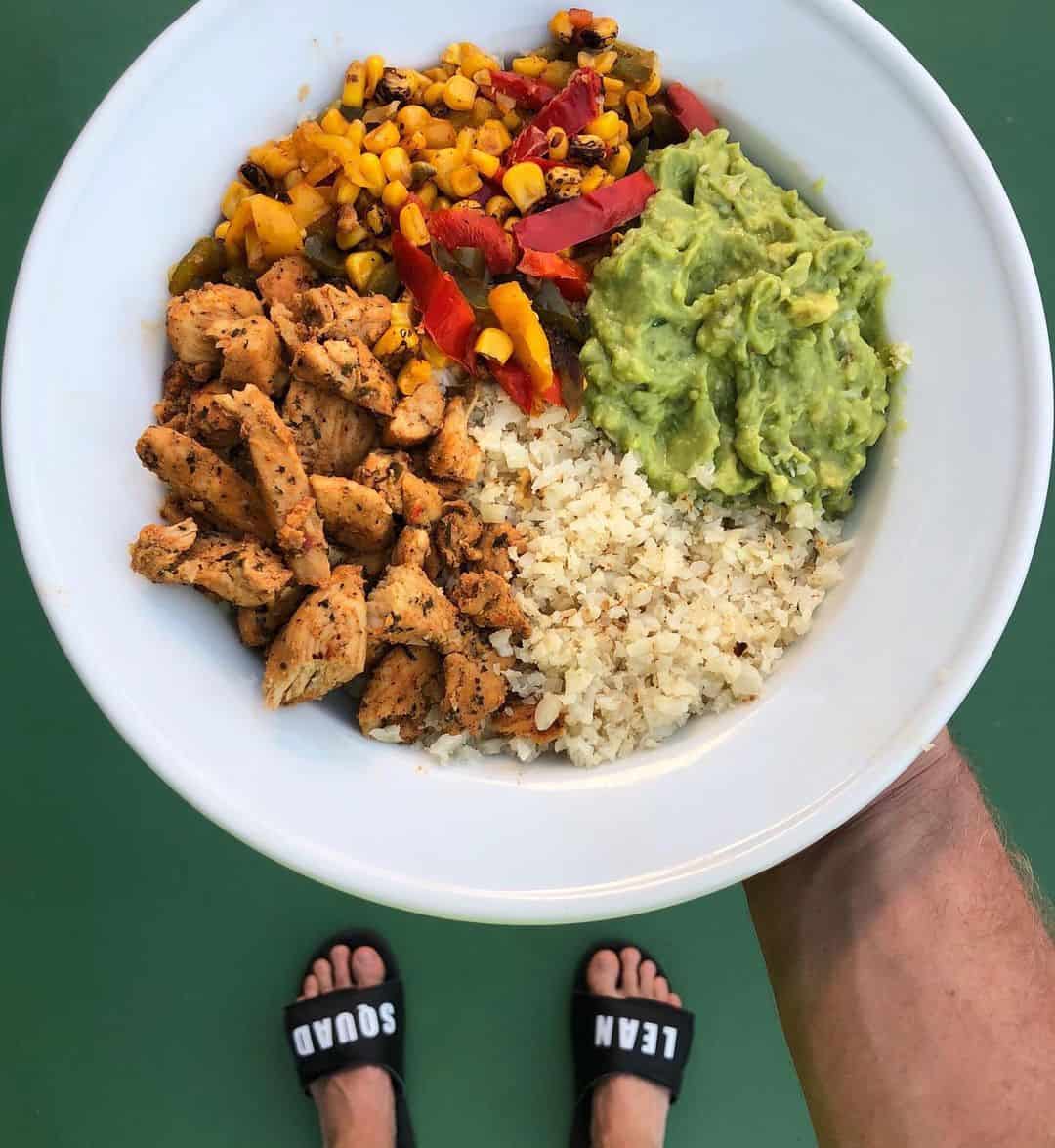
Our Top Pick
Clean Eatz Kitchen Weight Loss Meal Plan
Chef-prepared, portion-controlled meals designed for real weight loss results. No cooking required. No calorie counting. Just fresh food that works.
View on AmazonWhat Foods Help Reduce Arthritis Pain?
Certain foods actively reduce inflammation and joint pain. Fatty fish like salmon, sardines, and mackerel provide EPA and DHA omega-3s that reduce joint tenderness and morning stiffness. Turmeric contains curcumin, which blocks the NF-kB inflammatory pathway with an effect comparable to some NSAIDs. Olive oil contains oleocanthal, which mimics ibuprofen’s action on inflammatory enzymes in the joint lining.
Does that mean food can replace medication? No, but consistent dietary choices measurably reduce the inflammation driving arthritis pain. Ginger reduces prostaglandins and leukotrienes, two key compounds in joint inflammation. Dark leafy greens like spinach and kale supply vitamin K and antioxidants that protect cartilage from oxidative damage in arthritic joints.
Nuts and seeds provide plant-based omega-3s and zinc, both of which support immune regulation in arthritis. Green tea contains EGCG, a polyphenol that suppresses cartilage-destroying enzymes in rheumatoid arthritis. Beans and lentils deliver fiber and plant protein without the arachidonic acid found in red meat, making them an ideal protein swap for people managing arthritis through diet.
Are Omega-3 Fatty Acids Good for Arthritis?
Omega-3 fatty acids are among the most evidence-backed nutrients for arthritis. Multiple randomized controlled trials show omega-3 supplementation reduces joint pain, morning stiffness, and NSAID reliance in rheumatoid arthritis. Salmon provides 2.2g of EPA and DHA per 3oz (85g) serving. Two servings of fatty fish per week consistently deliver a clinically relevant dose of these anti-inflammatory fats.
What about supplements? Fish oil at 2-3g of EPA and DHA daily shows measurable benefit in arthritis studies. Choosing molecularly distilled brands prevents heavy metal contamination in the supplement. Plant-based sources like flaxseed and chia provide ALA, but the body converts only 5-10% of ALA to the active EPA and DHA forms that clinical research actually supports.
Best Food Sources of Omega-3 for Arthritis:
- Salmon — 2.2g EPA+DHA per 3oz (85g)
- Mackerel — 2.5g EPA+DHA per 3oz (85g)
- Sardines — 1.4g EPA+DHA per 3oz (85g)
- Herring — 1.7g EPA+DHA per 3oz (85g)
- Anchovies — 1.0g EPA+DHA per 2oz (56g)
- Flaxseed — 2.3g ALA per tablespoon (10g)
- Chia seeds — 5.1g ALA per oz (28g)
Which Fruits and Vegetables Are Best for Arthritis?
Berries rank among the most powerful arthritis-fighting foods. Blueberries and strawberries contain anthocyanins that lower inflammatory markers in blood tests. Tart cherry juice reduces gout flares and lowers uric acid levels according to peer-reviewed research. Citrus fruits provide vitamin C, which is essential for collagen synthesis and cartilage maintenance in all arthritis types.
Leafy greens like spinach, kale, and Swiss chard supply vitamin K, which helps regulate inflammation in arthritic joints. Broccoli contains sulforaphane, a compound that blocks enzymes responsible for joint destruction in osteoarthritis. It’s a powerful vegetable that doesn’t get nearly enough credit in arthritis diet discussions. Garlic contains diallyl disulfide and quercetin, both of which inhibit inflammatory enzyme activity.
Top Fruits and Vegetables for Arthritis:
- Blueberries — anthocyanins reduce inflammatory markers in the blood
- Tart cherries — lower uric acid and reduce gout flare frequency
- Strawberries — vitamin C supports cartilage collagen production
- Spinach — vitamin K helps regulate joint inflammation
- Broccoli — sulforaphane blocks joint-destroying enzymes
- Kale — antioxidants protect cartilage from oxidative damage
- Garlic — diallyl disulfide and quercetin inhibit inflammatory enzymes
What Foods Should You Avoid With Arthritis?
Processed foods are the top dietary category to eliminate with arthritis. Trans fats and additives in packaged snacks, fast food, and frozen meals trigger systemic inflammation that reaches the joints. Refined carbohydrates like white bread and pastries spike blood sugar and activate pro-inflammatory cytokines within hours of consumption. Regular intake sustains the chronic inflammatory state that drives arthritis symptom progression.
Here’s what most people don’t realize: alcohol worsens both rheumatoid arthritis and gout, but through different mechanisms. In RA, alcohol increases intestinal permeability, allowing more inflammatory triggers into the bloodstream. In gout, alcohol raises uric acid production and reduces kidney excretion of uric acid simultaneously. Even moderate drinking consistently elevates inflammatory markers in people with active arthritis.
Vegetable oils high in omega-6 fatty acids, like corn, sunflower, and soybean oil, shift the body’s inflammatory balance unfavorably. They increase arachidonic acid conversion to pro-inflammatory prostaglandins. What counts as a better option? Replacing them with olive oil or avocado oil corrects this imbalance efficiently and supports long-term joint health without sacrificing cooking versatility.
Foods to Avoid With Arthritis:
- Processed meats (bacon, sausages, hot dogs)
- Sugary beverages (soda, fruit juice, energy drinks)
- White bread, white rice, and pastries
- Fast food and fried foods
- Corn oil, sunflower oil, and soybean oil
- Alcohol (especially for gout and rheumatoid arthritis)
- Packaged snacks with hydrogenated oils or added preservatives
Does Sugar Make Arthritis Worse?
Yes. Added sugar directly worsens arthritis inflammation. Excess sugar activates advanced glycation end-products, known as AGEs, which stiffen joint tissues and amplify inflammatory damage. Research links frequent sugary beverage consumption to a 63% higher risk of rheumatoid arthritis in women. Cutting added sugar is one of the single most impactful dietary changes for reducing joint pain.
What about natural fruit sugar? Natural sugars in whole fruits don’t carry the same risk because fiber slows their absorption and blunts the blood sugar response. Artificial sweeteners don’t directly worsen arthritis, though they can disrupt gut bacteria balance over time. Small amounts of stevia or monk fruit are neutral options for people who need sweetness without sugar’s inflammatory effects.
Is Red Meat Bad for Arthritis?
Red meat raises arachidonic acid levels in the body. This compound converts directly to pro-inflammatory prostaglandins that increase joint pain and swelling. Processed meats like bacon and hot dogs are particularly harmful because they combine arachidonic acid with nitrates that further elevate C-reactive protein levels. People with active arthritis benefit significantly from reducing red meat intake.
Swapping red meat for fatty fish or skinless poultry reduces dietary arachidonic acid by roughly 40%. Legumes and tofu provide equivalent protein without the inflammatory compounds. Grass-fed red meat contains higher omega-3 content than grain-fed beef and is a better choice for those who don’t eliminate it entirely from their arthritis diet plan.
Is the Mediterranean Diet Good for Arthritis?
The Mediterranean diet is the most evidence-backed eating pattern for arthritis management. Multiple clinical trials show it reduces C-reactive protein levels, pain scores, and disease activity in rheumatoid arthritis. Its food composition naturally aligns with anti-inflammatory principles: olive oil, fatty fish, legumes, whole grains, and abundant fruits and vegetables. It simultaneously restricts red meat and processed foods without demanding strict calorie counting.
The good news is that long-term adherence is genuinely sustainable. A study in the Annals of Rheumatic Diseases found that high Mediterranean diet adherence corresponded to lower disease activity scores in RA patients. It’s flexible enough to fit most cultural eating patterns. That’s why dietitians and rheumatologists consistently recommend it as the first dietary step for newly diagnosed arthritis patients.
For osteoarthritis, the Mediterranean diet reduces joint space narrowing progression over time. Its high polyphenol content inhibits metalloproteinases, the enzymes that destroy cartilage in affected joints. These combined effects make it both a preventive strategy for people at risk and a therapeutic eating pattern for those already managing active arthritis symptoms.
Mediterranean Diet Arthritis Food Guide:
| Food Group | Frequency | Examples |
|---|---|---|
| Vegetables and fruits | Every meal | Spinach, tomatoes, berries, citrus |
| Whole grains | Daily | Brown rice, quinoa, oats, barley |
| Legumes | 3-4x per week | Lentils, chickpeas, black beans |
| Fatty fish | 2-3x per week | Salmon, sardines, mackerel |
| Olive oil | Daily (3-4 tbsp / 45-60ml) | Extra virgin olive oil only |
| Red meat | Rarely | Limit to 1-2x per month maximum |
What Makes the Mediterranean Diet Anti-Inflammatory?
The Mediterranean diet works through multiple anti-inflammatory mechanisms simultaneously. Its polyphenols, abundant in olive oil, vegetables, and legumes, inhibit COX-2, the same enzyme targeted by ibuprofen. Extra virgin olive oil at 3-4 tablespoons (45-60ml) per day provides measurable oleocanthal concentrations with proven anti-inflammatory action. Fat quality, not fat quantity, is the central variable in this diet’s inflammation-reducing effect.
The diet also naturally corrects the omega-3 to omega-6 ratio, reducing the substrate available for pro-inflammatory prostaglandin production. High fiber intake from whole grains and legumes supports a diverse gut microbiome. That microbiome produces short-chain fatty acids with systemic anti-inflammatory effects that reach arthritic joints. These mechanisms operate on both the cellular and systemic levels of inflammation at once.
Does Losing Weight Help With Arthritis?
Weight loss directly reduces mechanical stress on arthritic joints. Each pound (0.45kg) lost removes four pounds (1.8kg) of pressure from the knee joint with every step taken. Obesity doubles the risk of knee osteoarthritis. Excess adipose tissue also secretes inflammatory adipokines that worsen joint disease beyond the mechanical load alone. Weight management addresses both the structural and inflammatory dimensions of arthritis simultaneously.
Even a modest 5-10% reduction in body weight significantly improves pain scores and physical function in osteoarthritis patients. Research consistently shows that diet-induced weight loss provides greater arthritis benefit than exercise alone, though combining both approaches delivers the best overall outcomes. People who achieve and maintain this level of weight loss report meaningful improvements in mobility, pain levels, and medication requirements.
How Much Weight Loss Reduces Arthritis Pain?
A 10-pound (4.5kg) weight loss produces clinically meaningful arthritis pain reduction. Maintaining that loss for 18 months or more shows lasting improvement in joint function and reduced NSAID use. Studies confirm that patients sustaining 10% or more body weight loss report substantially lower pain and better mobility scores over time. This threshold is realistic and achievable for most people with arthritis through structured dietary changes.
Combined diet and exercise outperforms either approach alone for arthritis outcomes. Enrolling in a structured weight loss program provides the accountability and sustained guidance needed to reach and maintain this clinically meaningful threshold. People with severe arthritis should consult their physician before beginning a program that includes significant physical activity changes alongside dietary adjustments.
Weight Loss Impact on Arthritis Joint Pressure:
| Weight Lost | Reduced Knee Pressure | Expected Benefit |
|---|---|---|
| 5 lbs (2.3kg) | 20 lbs (9kg) per step | Mild pain reduction noted |
| 10 lbs (4.5kg) | 40 lbs (18kg) per step | Clinically meaningful improvement |
| 20 lbs (9.1kg) | 80 lbs (36kg) per step | Significant function improvement |
| 10% body weight | Varies by starting weight | Sustained pain and NSAID reduction |
Want Your Free Arthritis Diet Action Plan from Our OPTAVIA Coaches?
Our coaches at Optimal Weight Plan offer a free personalized arthritis diet action plan. This plan includes anti-inflammatory meal templates, a complete arthritis food swap guide, and week-by-week dietary adjustments tailored to the reader’s arthritis type and current symptoms. Independent OPTAVIA Coaches provide the structured support needed to sustain dietary changes that actually reduce joint pain and inflammation over the long term. No purchase or commitment is required to get started.
Think of it this way: knowing which foods help arthritis is useful, but having a coach who tailors the plan to a specific situation makes the real difference between short-term attempts and lasting change. Our team at Optimal Weight Plan understands that managing arthritis through diet is a long-term commitment. It benefits most from consistent expert coaching and structured accountability, not just a one-time list of foods to eat and avoid.
How Can OPTAVIA Coaches Help You Manage Arthritis Through Diet?
OPTAVIA coaches guide clients through personalized anti-inflammatory dietary changes. They match food recommendations to specific arthritis types, whether rheumatoid arthritis, osteoarthritis, or gout. The structured OPTAVIA approach also facilitates the 10% body weight reduction that research identifies as a critical threshold for joint pain relief. Coaches check in regularly to adjust the plan based on symptom changes and adherence progress.
Accountability from regular check-ins improves adherence to anti-inflammatory eating by roughly 60% compared to self-directed dietary changes. The program includes guidance on meal timing, portion control, and grocery shopping to make the anti-inflammatory diet practical and sustainable in daily life. Readers can request their free arthritis diet action plan directly through Optimal Weight Plan to begin structured dietary management of arthritis symptoms today.
Our Top Pick
Clean Eatz Kitchen Weight Loss Meal Plan
Chef-prepared, portion-controlled meals designed for real weight loss results. No cooking required. No calorie counting. Just fresh food that works.
View on Amazon