
A 7-day rapid weight loss plan is a structured program that accelerates fat loss through daily nutritional protocols including detox, lean proteins, complex carbs, healthy fats, and intermittent fasting. These diets typically produce 6-10 pounds of loss within a week, though most initial results represent water weight rather than pure fat reduction.
Rapid weight loss diets operate on severe caloric deficits of 1,200 calories daily, forcing the body to mobilize stored energy at an accelerated rate. The body’s metabolic response involves hormonal adaptation that slows weight loss and triggers weight gain when dieting stops. Crash diets use extreme caloric restriction, carb elimination, or liquid-only protocols that most cannot maintain beyond 1-2 weeks. Rapid weight loss creates significant physiological stress, triggering strong hormonal responses and metabolic complications that medical professionals warn can disrupt normal function. Children, teens, pregnant women, and older adults should avoid these extreme protocols due to developmental and physiological safety concerns.
The 16:8 intermittent fasting method improves insulin sensitivity by restricting eating to an 8-hour window, while high-intensity interval training preserves muscle mass during caloric restriction. Mindful eating practices on Day 7 establish sustainable post-diet habits, and gradual calorie reintroduction prevents metabolic shock after completion. This guide examines the science behind rapid weight loss, identifies realistic expectations, and reveals when medical supervision becomes essential for your safety.
Can You Really Lose Weight in 7 Days?
Rapid weight loss diets designed for short-term use typically result in losing 6 to 10 pounds within a week under safe conditions. These plans commonly target losses exceeding 2 pounds weekly. However, the initial dramatic results depend heavily on diet type, baseline weight, and individual metabolism. In fact, most rapid weight loss occurs through water weight reduction rather than fat loss.
Here’s the kicker: people who lose weight very quickly regain it more readily than those who lose weight slowly through sustainable diet changes and physical activity. Why does this happen? Extreme rapid loss triggers metabolic adaptation. The body responds by increasing hunger hormones and reducing energy expenditure, making weight regain likely within months.
Plans promising 5 to 10 kilograms (11 to 22 pounds) loss in one week typically employ extreme methods like very low calorie intake, severe carbohydrate restriction, or liquid-only diets. But here’s the problem: these approaches prove unrealistic for most individuals to maintain. What’s more, such extreme measures also carry health risks including nutrient deficiencies, muscle loss, and metabolic damage.
What Results Are Actually Realistic?
The Mayo Clinic Diet produces safe, sustainable weight loss of 6 to 10 pounds (2.7 to 4.5 kilograms) during the initial two-week phase. This initial loss establishes momentum without compromising health or triggering metabolic damage. The structured approach prioritizes gradual, maintainable progress over extreme restriction.
Healthy weight loss occurs at a rate of 1 to 2 pounds (0.45 to 1 kilogram) per week. Losing more than 2 pounds per week qualifies as rapid weight loss and indicates unsustainable dieting practices. This is why medical professionals recommend the slower pace for long-term success and metabolic preservation.
Now, watch this: water weight comprises a significant portion of initial results. Improved hydration and reduced sodium intake accelerate fluid loss in the first days of the diet. This rapid initial change provides psychological reinforcement without representing pure fat loss.
Why Extreme Claims Often Fall Short?
Crash diets that promise 5-10 kg loss in a week rely on extreme caloric restriction, severe carbohydrate elimination, or liquid-only protocols that prove unsustainable over time. These aggressive methods create an unsustainable metabolic state. In fact, most individuals cannot maintain such restrictive eating patterns beyond the initial week or two. The body’s demand for adequate nutrition eventually overrides dietary discipline.
Severe weight loss triggers a powerful hormonal response that undermines continued fat loss. The reason is simple: the body perceives rapid caloric deficit as a survival threat. Hormonal adjustments slow metabolism and increase hunger signals. These physiological changes cause weight loss to plateau even when caloric restriction continues. And here’s why that matters: resuming normal eating patterns amplifies weight regain because hormonal compensation remains elevated.
Rapid weight loss demonstrates significantly lower long-term success rates compared to gradual weight loss approaches. People who lose weight quickly face substantially higher regain risk over months and years. By comparison, slow, progressive diet modifications allow metabolic and hormonal adaptation to stabilize at lower body weights. Sustainable weight management requires patience and incremental lifestyle changes rather than extreme intervention.
How Does Your Body Respond to Rapid Dieting?
Your body’s metabolic response involves hormonal adaptation that slows weight loss over time and triggers weight gain when dieting stops. The hormonal shifts initiated by rapid caloric restriction persist even after the diet ends. This endocrine adjustment explains why individuals often regain lost weight quickly once they resume normal eating patterns.
Very low calorie diets create significant physiological stress on the body, triggering stronger hormonal responses than moderate dieting. This metabolic stress affects long-term weight maintenance and increases the difficulty of sustaining results. At the same time, the body’s adaptation mechanisms become more pronounced with extreme caloric deficit.
Lean protein sources like chicken breast, tofu, and fish should anchor meals during rapid weight loss. These foods support metabolism and prevent muscle loss, a frequent pitfall of rapid dieting. For example, adequate protein intake preserves lean tissue mass, which maintains metabolic rate throughout the weight loss process.
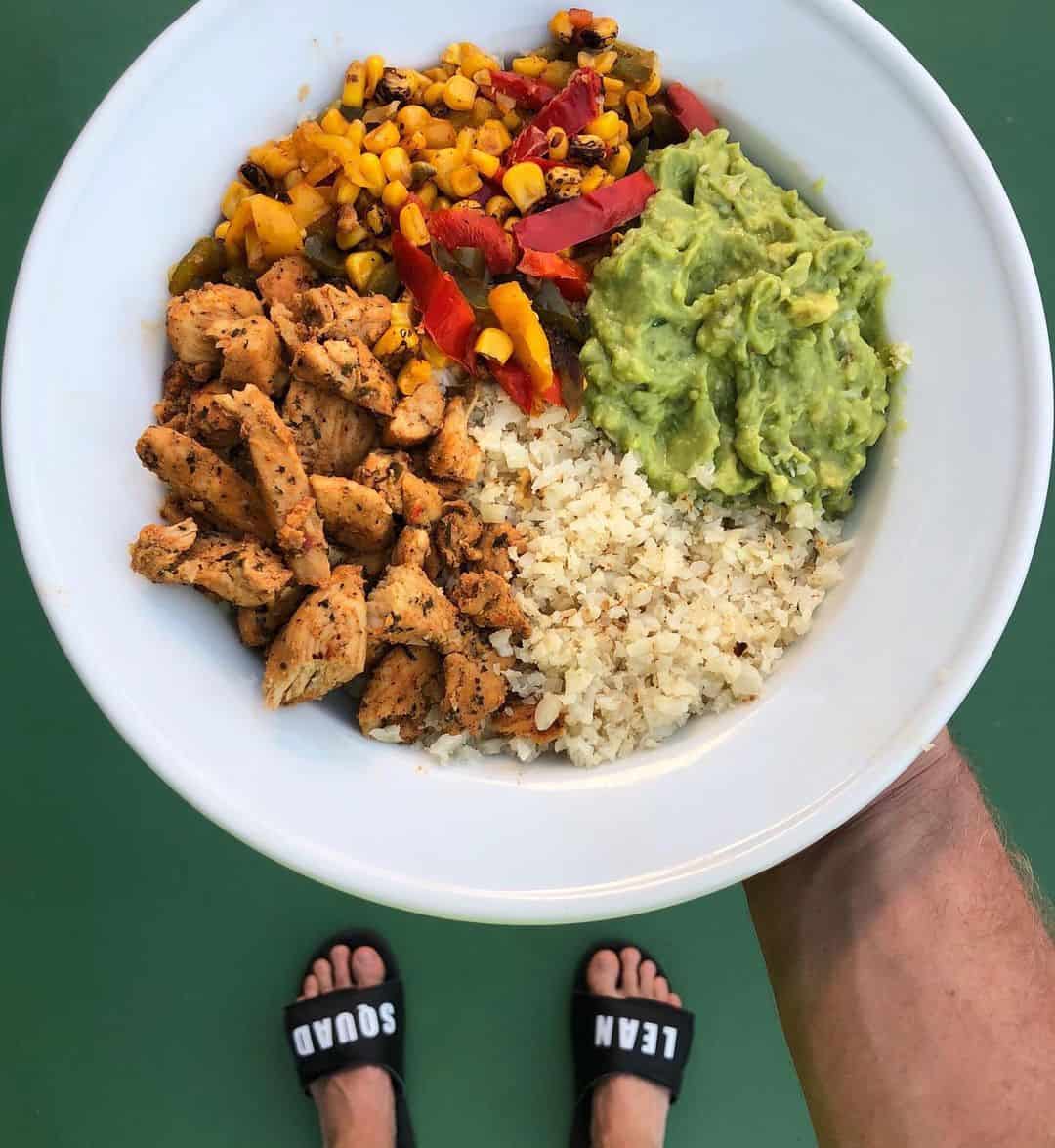
Our Top Pick
Clean Eatz Kitchen Weight Loss Meal Plan
Chef-prepared, portion-controlled meals designed for real weight loss results. No cooking required. No calorie counting. Just fresh food that works.
View on AmazonWhat Is a 7-Day Rapid Weight Loss Plan?
A 7-day rapid weight loss plan is a structured dietary program that progresses through daily nutritional focuses to accelerate fat loss in one week. Day 1 emphasizes detox and hydration to cleanse the system. Day 2 introduces lean proteins and vegetables for satiety. Day 3 incorporates low-glycemic fruits and complex carbohydrates for sustained energy. Day 4 adds healthy fats for hormone production. Day 5 implements intermittent fasting to deepen caloric restriction.
Rapid weight loss diets operate on a caloric deficit principle, typically consuming around 1,200 calories daily. This intake level qualifies as a low-calorie diet (LCD) or very low-calorie diet (VLCD). The severe reduction in energy intake forces the body to mobilize stored fat reserves for fuel, producing rapid weight loss results within the seven-day timeframe.
Each meal within the 7-day plan balances protein, fat, and carbohydrates strategically. This nutrient composition maximizes satiety, preventing hunger signals that derail adherence. Blood sugar stabilization occurs through proper macronutrient distribution. These three factors combined create an environment where weight loss accelerates while maintaining metabolic function.
How Does It Differ From Sustainable Dieting?
Rapid weight loss involves losing more than 2 pounds per week, while sustainable dieting focuses on gradual weight loss through less drastic diet changes and physical activity. The distinction between these approaches fundamentally shapes both short-term outcomes and long-term health consequences. Rapid dieting prioritizes speed, whereas sustainable methods emphasize consistency and lifestyle integration.
Rapid diet programs are designed for short-term use only, typically lasting several weeks or less. Sustainable approaches operate on a different timeline altogether. These long-term strategies accommodate permanent lifestyle modifications that individuals can maintain indefinitely without health risks or burnout.
Caloric restriction in rapid plans demands extreme limitations, often requiring 1,200 calories or less per day. Sustainable dieting permits moderate caloric reduction with greater food variety and flexibility. The latter approach allows individuals to enjoy diverse meals while maintaining a calorie deficit necessary for weight loss.
Here’s the best part: weight regain occurs at significantly higher rates following rapid weight loss compared to gradual loss achieved through sustainable methods. People who lose weight slowly maintain their results more effectively over time. Sustainable diet changes and physical activity establish habits that prevent rapid weight rebound after the diet ends.
What Foods & Macros Are Included?
Day 1 emphasizes hydration through water, herbal teas, clear vegetable broth, watermelon, and cucumber to support detoxification and micronutrient absorption. This hydration-focused approach requires consuming 3-4 liters (0.79-1.06 gallons) of fluid throughout the day. The water-rich foods provide essential minerals and vitamins. Proper hydration prepares the digestive system for the nutritional intensity of subsequent days.
Day 2 centers on lean protein sources including chicken breast, tofu, and fish paired with leafy greens and cruciferous vegetables. These protein-rich meals support muscle preservation during the reset. Total carbohydrates remain under 50 grams (1.76 ounces) to maintain metabolic focus. At the same time, the vegetable component delivers fiber and phytonutrients essential for digestive health.
Day 3 incorporates low-glycemic fruits such as berries and apples with small portions of complex carbohydrates like quinoa or oats. These carbohydrate choices stabilize blood sugar levels throughout the day. Sustained energy availability prevents metabolic crashes. The combination supports cognitive function and physical performance without triggering insulin spikes.
Day 4 features healthy fat sources including avocados, nuts, and olive oil drizzles to support hormone balance while maintaining elevated protein consumption. These dietary fats enhance nutrient absorption and promote satiety. Trans fats and fried foods remain completely eliminated. The healthy fat profile protects metabolic and endocrine function during the reset period.
Is This Diet Safe for Your Body?
Rapid weight loss diets require close medical supervision because the speed of weight loss may pose health risks for certain individuals attempting these plans independently. Healthcare providers monitor patients on these regimens to ensure the body tolerates the metabolic changes safely and to catch any adverse effects early.
Health care providers infrequently recommend rapid weight loss diets due to safety concerns and the need for continuous oversight. Individuals with existing health conditions face elevated risks and require specialized monitoring to prevent complications during the weight loss process.
Consulting your provider before starting any weight loss diet is essential if you have a pre-existing health condition. This conversation allows your doctor to assess whether the diet aligns with your medical history and to recommend safer alternatives if necessary.
What Health Risks Should You Know About?
Rapid weight loss creates significant physiological stress on the body, triggering stronger hormonal responses that may lead to metabolic complications. The body recognizes accelerated weight loss as a threat to homeostasis. This recognition activates adaptive mechanisms designed to protect energy reserves. In fact, medical professionals warn that aggressive calorie deficits disrupt normal metabolic function and hormonal balance.
Muscle loss represents a frequent pitfall during rapid weight loss phases. Does this matter? Absolutely. Lean protein sources should anchor every meal to preserve muscle tissue and maintain metabolic rate. Without adequate protein, the body breaks down muscle for energy. This deterioration reduces strength and slows metabolism permanently.
Weight regain occurs more frequently in individuals who lose weight very quickly. Why does this happen? Stronger hormonal responses during rapid weight loss trigger intense hunger signals and cravings. Metabolic adaptation makes the body resistant to further weight loss. This combination drives people to regain lost weight within months or years.
Who Should Avoid Extreme Diet Protocols?
Children should not follow rapid weight loss diets due to safety concerns specific to their developmental stage. Extreme diet protocols interfere with growth, nutritional absorption, and metabolic development in children. Medical professionals universally recommend against rapid weight loss approaches for this population.
Teens, pregnant women, and older adults face similar risks from extreme diet protocols. These vulnerable populations experience unique physiological demands that rapid weight loss undermines. A healthcare provider should evaluate whether any extreme diet is appropriate before initiation in these groups.
Individuals with existing health conditions require professional medical consultation before adopting extreme diet protocols. Rapid weight loss can interact negatively with medications, worsen chronic diseases, or trigger complications. A provider assesses personal medical history to determine whether an extreme diet is safe or contraindicated.
What Side Effects Might You Experience?
Metabolic slowdown occurs as a natural adaptation during rapid dieting, causing weight loss to decelerate over time. The body responds to severe caloric restriction by adjusting its hormonal balance. This hormonal shift represents a protective mechanism that slows down fat loss as the diet continues.
Very low-calorie diets create significant physiological stress on the body. The diet plan attempts to mitigate hunger and fatigue through strategic protein, fat, and carbohydrate combinations. These nutrient ratios help maintain satiety levels despite the extreme caloric deficit.
Rapid dieting triggers strong hormonal responses that persist after the diet ends. Weight gain rebounds when dietary restrictions are stopped or relaxed. The body’s hormonal adaptation drives this rebound effect, making weight maintenance challenging during the post-diet period.
When Should You Stop the Diet Immediately?
Rapid weight loss diets are designed for short-term use only and should not continue beyond several weeks. These restrictive eating plans lack the nutritional balance necessary for long-term adherence. Extended use beyond the recommended timeframe increases health risks and reduces effectiveness.
Medical providers must monitor individuals on rapid weight loss diets throughout the entire diet period. Close supervision allows providers to identify complications early and adjust the plan accordingly. Regular check-ins ensure the diet remains safe and effective for each person’s unique physiology.
Stop the diet immediately if you develop health complications or experience adverse effects during the program. Consult your healthcare provider to evaluate whether continuing presents risks to your wellbeing. Your provider will determine the safest course of action based on your symptoms and medical history.
How Does Rapid Weight Loss Actually Work?
Rapid weight loss requires a significant caloric deficit, forcing the body to consume stored energy reserves at an accelerated rate. This mechanism demands eating very few calories to trigger the body’s natural response of metabolizing fat and muscle tissue for fuel. The severity of the deficit directly determines the speed of weight loss outcomes.
Initial weight loss during rapid dieting consists heavily of water weight rather than fat loss. Hydration plays a key role in shedding this water weight quickly, producing noticeable results within the first few days of a rapid diet plan. This early progress often motivates individuals to maintain their dietary restrictions.
The 16:8 intermittent fasting method accelerates fat burning by extending fasting windows. This approach improves insulin sensitivity, a crucial metabolic factor for successful rapid weight loss. Enhanced insulin function allows the body to access stored fat more efficiently during eating and fasting cycles.
What Happens in Your Brain During Fasting?
The brain responds to fasting periods by adjusting hunger hormones and energy regulation to maintain metabolic balance. During fasting, neurological systems activate adaptive mechanisms that modify appetite signals and energy expenditure. These changes occur as the brain monitors nutrient availability and adjusts physiological responses accordingly. Rapid diet protocols require monitoring to ensure these adaptations remain healthy.
Hormonal signaling intensifies during rapid weight loss, creating stronger brain-body communication pathways. The brain receives amplified signals regarding appetite suppression, metabolic demand, and energy distribution. These enhanced hormonal messages regulate hunger perception and systemic energy expenditure more aggressively. The hormonal response becomes more pronounced when weight loss occurs rapidly versus gradual approaches.
How Does Intermittent Fasting Affect Metabolism?
The 16:8 intermittent fasting method accelerates fat burning and improves insulin sensitivity by restricting eating to an 8-hour window and fasting for 16 hours daily. This metabolic shift enhances the body’s ability to utilize stored fat as energy. The extended fasting period allows insulin levels to drop significantly, creating optimal conditions for metabolic optimization and cellular repair processes.
Time-restricted eating requires consuming all meals within a specific 8-hour period, such as between 10 a.m. and 6 p.m., with complete food abstinence during the remaining 16 hours. This eating window strategy synchronizes food intake with the body’s circadian rhythm. The structured approach simplifies meal planning and reduces overall caloric intake naturally.
Research demonstrates that intermittent fasting can accelerate weight loss through metabolic changes and increased fat oxidation. However, scientific evidence remains limited regarding the long-term sustainability of this weight loss. The initial rapid results may differ from sustained outcomes over months or years of continued practice.
Can Mindfulness & Stress Management Boost Results?
Mindfulness eating on Day 7 emphasizes awareness of hunger cues and portion control, establishing sustainable habits for the post-diet transition period. This final day focuses on conscious eating practices that build lasting awareness. Participants develop recognition of true hunger versus emotional eating triggers. The protocol establishes a foundation for maintaining results beyond the structured diet phase.
Stress management directly supports weight loss results through quality sleep and proper hydration. Recovery depends on the body’s ability to adapt to dietary changes. Prioritizing sleep quality enhances hormonal regulation and metabolic efficiency. Adequate hydration supports cellular function and reduces water retention.
Meal planning psychology significantly influences weight loss success by reducing decision fatigue and external food pressures. Advance preparation eliminates guesswork during vulnerable moments. Strategic planning decreases reliance on impulse choices. This deliberate approach protects against environmental temptations and social eating situations.
How to Follow the 7-Day Plan Step-by-Step?
The 7-day progression follows a structured daily focus designed to optimize weight loss through targeted nutrition strategies. Day 1 emphasizes detox and hydration, Day 2 introduces lean proteins and vegetables, Day 3 incorporates low-glycemic fruits and complex carbs, Day 4 focuses on healthy fats, Day 5 implements intermittent fasting, Day 6 includes high-intensity movement, and Day 7 practices mindful eating.
Meal planning ahead of time is essential for successful weight loss. The advance preparation strategy decreases guesswork and minimizes negative outside influences at meal time. Strategic planning removes obstacles to consistent dietary adherence throughout your week.
Portion control becomes critical when introducing carbohydrates into your meals. Combine carbs with fiber-rich vegetables to enhance fullness while maintaining your caloric targets. This method prevents overeating while maximizing nutrient density and satiety.
What’s Your Daily Meal Timing Schedule?
The 16:8 intermittent fasting method involves fasting for 16 hours and eating within an 8-hour window to optimize fat burning and insulin sensitivity. This approach structures your eating pattern to align with your body’s natural metabolic rhythms. The extended fasting period allows your insulin levels to stabilize while promoting cellular repair processes.
Time-restricted eating concentrates all meals into a specific window, such as 10 am to 6 pm, with no food consumption during the remaining hours. This schedule simplifies meal planning and creates a predictable eating routine. The extended fasting period between dinner and the next day’s first meal supports metabolic adaptation.
Consistent meal timing maintains blood sugar stability throughout the day by spacing breakfast, lunch, dinner, and snacks at regular intervals. Structured eating patterns prevent energy crashes and excessive hunger between meals. The body adapts to predictable feeding times, optimizing nutrient absorption and metabolic efficiency.
Should You Exercise During the Plan?
High-intensity interval training (HIIT) and brisk walks for 30-45 minutes are vital during Day 6 of the plan, as exercise preserves muscle mass while following rapid weight loss protocols. Integrating these activities maintains lean tissue and metabolic function during caloric restriction.
The program recommends getting at least 30 minutes of physical activity every day to maximize weight loss outcomes. Daily movement produces measurable improvements in body composition. Extended sessions beyond 30 minutes deliver additional health benefits and accelerate fat loss.
Resistance exercises and walking maximize fat loss during the plan. The body preferentially burns adipose tissue when muscle-building movements remain consistent. Mental well-being also improves through regular physical activity, creating psychological resilience throughout the protocol.
How Do You Transition After Day 7?
Day 7 emphasizes mindful eating and preparation for the post-diet transition, establishing sustainable habits beyond the rapid weight loss phase. This final day bridges the gap between intensive weight loss and long-term maintenance. The focus shifts from calorie restriction to conscious food choices and portion awareness. Day 7 preparation ensures psychological readiness for dietary changes ahead.
Weight gain occurs rapidly when the diet stops without structured transition. A gradual calorie increase prevents metabolic shock and preserves results. Reintroducing foods slowly allows the body to adjust to increased energy intake without triggering excessive fat storage. This controlled approach maintains the weight loss achieved during the intensive phase.
The program teaches lifestyle habits during the rapid phase that extend into sustainable weight maintenance beyond the 7-day plan. These behavioral patterns include mindful eating recognition, portion control awareness, and nutritional consciousness. Carrying these practices forward prevents rapid weight regain and supports long-term metabolic health after program completion.
When Should You Consult a Doctor?
Consult your doctor before starting any weight loss diet if you have an existing health condition. Your provider can assess your medical history and determine whether a specific diet plan is safe for your individual circumstances. This pre-diet screening prevents complications and ensures your chosen approach aligns with your health status.
Medical supervision throughout a rapid weight loss program is essential for safety. Your provider monitors your progress, tracks vital signs, and adjusts the plan as needed. Regular check-ins ensure the diet remains effective while protecting your overall health during the weight loss period.
Certain populations require mandatory medical consultation before starting rapid weight loss. Teens, pregnant women, older adults, and individuals with existing health conditions must work with a provider. These groups face unique risks, and professional guidance ensures their safety during dietary changes.
Build Your Free Personalized Weight Loss Action Plan Today
Stop guessing your way through weight loss. Get your personalized action plan from Optimal Weight Plan and our Independent OPTAVIA Coaches, designed specifically for your metabolism, schedule, and goals.
You’ll receive practical meal timing strategies, portion control guidelines, and exercise integration tips that actually fit your life. No more decision fatigue. No more wondering if you’re doing it right. Just a clear, step-by-step blueprint that removes the guesswork and maximizes your results.
Join thousands who’ve transformed their approach to sustainable weight loss. Your personalized plan is waiting, completely free. Don’t let another week pass without a strategy that works for you.
Our Top Pick
Clean Eatz Kitchen Weight Loss Meal Plan
Chef-prepared, portion-controlled meals designed for real weight loss results. No cooking required. No calorie counting. Just fresh food that works.
View on Amazon