A 10-day no carb no sugar diet restricts carbohydrates to under 130g daily while eliminating all added sugars, forcing the body into ketosis where it burns fat for fuel. This short-term metabolic reset combines structured meal planning with 1500-1650 calories per day to drive rapid weight loss and belly fat reduction in aging women.
The plan produces measurable weight and belly fat loss within 10 days through carbohydrate restriction that triggers ketosis and fat-burning. Your body enters this metabolic state by shifting from glucose to fat for energy. Keto flu symptoms like weakness and fatigue emerge during the initial transition. Animal-based proteins form the diet’s foundation alongside non-starchy vegetables and healthy fats. Maintaining ketosis requires keeping carb intake under 20g daily while consuming at least 2 liters of water.
This approach serves as a short-term dietary reset to eliminate processed foods and establish new eating patterns before gradual carb reintroduction. You’ll discover which foods support ketosis, how to prep meals efficiently, and strategies to minimize side effects through proper hydration and electrolyte balance. This guide reveals the science behind rapid fat loss and practical steps to transform your body composition in just 10 days.
What Results Can You Expect in 10 Days?
A 10-day no-carb, no-sugar diet produces weight loss and belly fat reduction when combined with regular exercise and balanced nutrition. Carbohydrate restriction forces the body to access stored fat reserves for energy. This metabolic shift drives measurable changes in body composition within the first 10 days, particularly around the abdominal region where fat deposits are most accessible.
Those following a very-low-carb diet enter ketosis, a metabolic state where the body burns fat for fuel instead of glucose. In fact, the liver converts fatty acids into ketones, which become the primary energy source for muscles and organs. This fat-burning mechanism produces rapid initial weight loss during the first 10 days of carbohydrate elimination.
But the initial 10-day phase brings physical adaptations that include weakness, fatigue, and muscle cramps as the body transitions to ketosis. These symptoms, collectively known as keto-flu, result from electrolyte imbalances and glycogen depletion in muscle tissue. The good news? The discomfort typically subsides as metabolic adjustment completes, usually within 1-2 weeks.
How Much Weight Will You Lose?
Reducing carbs and sugar intake produces significant weight and belly fat loss within 10 days, though exact amounts vary by individual starting weight and activity level. The timeline depends on your metabolic rate, exercise frequency, and initial body composition. Most individuals experience measurable changes during this initial period.
Daily caloric intake during a 10-day plan typically ranges from 1500 to 1650 calories (6,276 to 6,903 kilojoules) to support weight loss while maintaining adequate nutrition. This calorie range provides sufficient energy for daily activities while creating enough of a deficit to see results. At the same time, adequate macronutrient distribution ensures sustained wellness throughout the program.
Here’s the best part: low-carb diets decrease hunger signals, allowing you to eat fewer calories automatically without deliberate restriction. The body naturally reduces food intake due to improved satiety. This autopilot effect facilitates natural weight reduction without constant willpower or calorie counting.
What Are Keto Flu Symptoms?
Keto flu refers to a collection of symptoms experienced during the initial transition to ketosis, including weakness, fatigue, and muscle cramps. These symptoms emerge as the body shifts its primary fuel source from glucose to fat. The adaptation process triggers temporary physical discomfort as metabolic pathways reorganize to support ketone-based energy production.
Why does this happen? Keto flu symptoms manifest during the initial adaptation phase when the body transitions to ketosis. These uncomfortable sensations typically occur within the first few days of carbohydrate restriction. The onset and severity depend on individual metabolic factors and the speed of carb reduction.
Electrolyte drinks should be consumed to maintain hydration and support nerve and muscle function during the adaptation period. This is because sodium, potassium, and magnesium depletion accelerates muscle cramps and weakness. Adequate electrolyte intake helps stabilize cellular function and reduces symptom severity.
How Does Your Body Change Metabolically?
Your body enters ketosis on a very-low-carb diet, producing large amounts of ketones and shifting from glucose to fat burning for energy. This metabolic state fundamentally alters how your body uses fuel sources. The transition typically occurs within several days of carbohydrate restriction and creates a distinct biochemical environment.
Blood sugar levels stabilize significantly on low-carb diets, addressing a common metabolic struggle for women as they age. What does this mean for you? Stable glucose means fewer energy crashes and reduced insulin spikes throughout the day. This hormonal balance supports sustained energy and metabolic consistency.
But ketone production increases your body’s dehydration risk, requiring at least 2 quarts (approximately 2 liters) of water daily. The reason is simple: the kidneys work harder to process ketones and eliminate them through urine. Adequate hydration becomes essential for maintaining metabolic efficiency and preventing fatigue during this state.
Now, watch this: caloric regulation improves naturally because low-carb diets suppress hunger significantly, allowing individuals to eat fewer calories without conscious restriction. The appetite-dampening effect of ketones reduces the struggle many people face with traditional calorie counting. This effortless reduction in food intake supports sustainable weight loss outcomes.
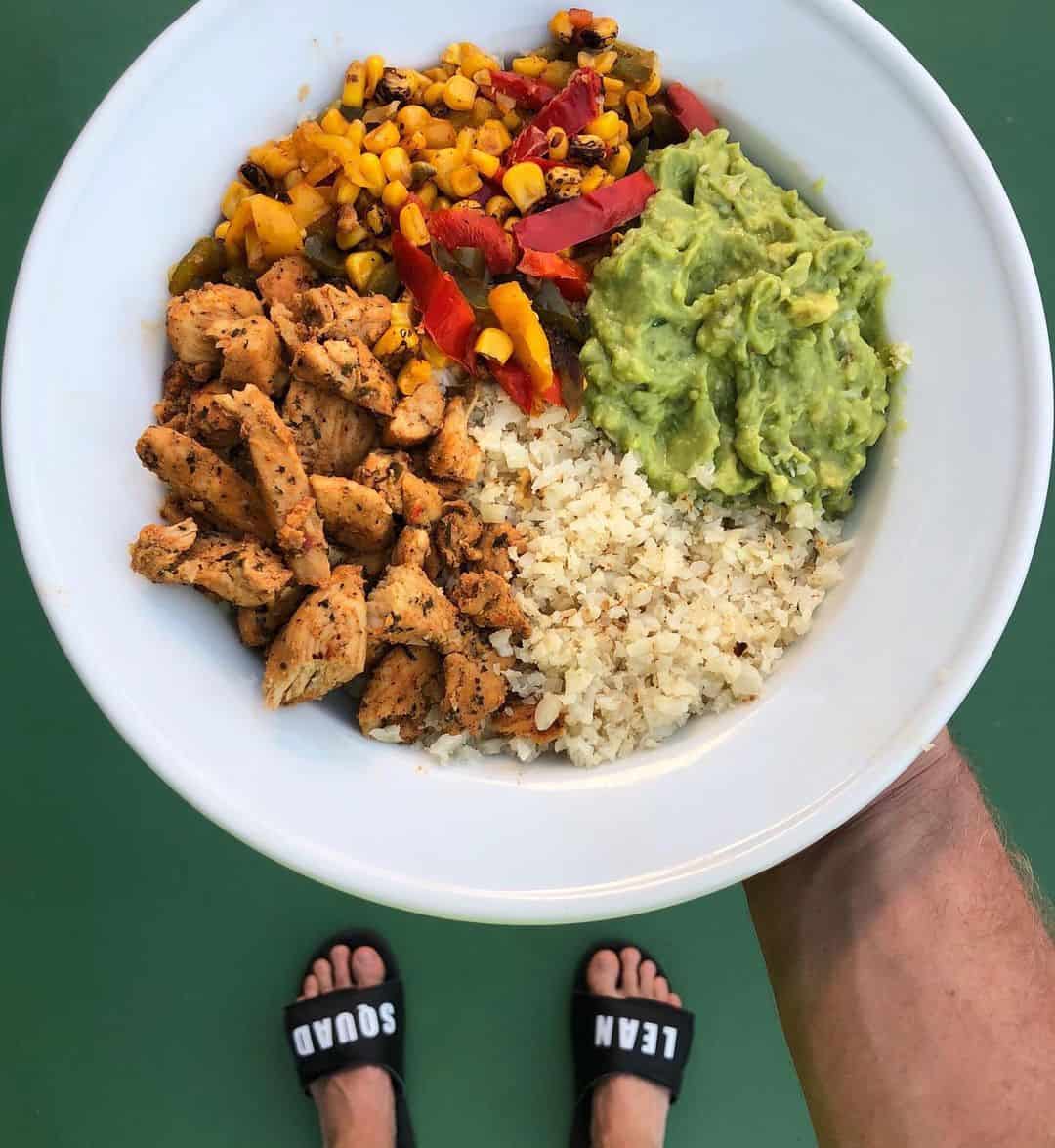
Our Top Pick
Clean Eatz Kitchen Weight Loss Meal Plan
Chef-prepared, portion-controlled meals designed for real weight loss results. No cooking required. No calorie counting. Just fresh food that works.
View on AmazonWhat Is a No Carb No Sugar Diet?
A no carb no sugar diet restricts carbohydrates to less than 26% of total daily calories, equaling fewer than 130 grams per day on a 2000-calorie diet. This macronutrient limitation forces the body to shift its primary fuel source from glucose to fat. The dietary approach eliminates refined carbohydrates and added sugars entirely while permitting protein and fat sources without significant restriction.
The diet excludes foods high in carbohydrates or added sugar. Restricted items include sweets, starches, refined grains, starchy vegetables, beans, legumes, most fruits, dairy products, and alcohol. These exclusions significantly reduce overall carbohydrate intake and simplify food selection during meal planning.
Minimal carbohydrate allowances come from naturally low-carb foods. For example, non-starchy vegetables such as leafy greens, broccoli, and zucchini provide fiber and nutrients with negligible carbs. Select berries including blueberries, blackberries, and strawberries offer antioxidants while staying within carbohydrate limits.
How Does a 10-Day Plan Work?
A 10-day plan structures daily nutrition into three meals and one snack, delivering 1500-1650 calories (kcal) per day with macronutrient ratios that emphasize protein and fats. This caloric range creates a moderate deficit while the macro distribution preserves lean muscle mass and promotes satiety. The consistent meal framework eliminates decision fatigue and provides nutritional predictability throughout the challenge period.
The 10-day challenge functions as a short-term metabolic reset within a manageable timeframe. This condensed duration kickstarts metabolic changes and establishes new eating patterns before the body adapts to restrictions. The brief commitment makes the protocol psychologically sustainable for most individuals.
Carbohydrate reintroduction after day 10 requires a gradual strategy to prevent metabolic shock. Daily carb intake increases to 50-100g per day (approximately 200-400 calories), allowing the body to adjust systematically. This measured approach prevents carb bingeing that would reverse the progress achieved during the challenge.
What’s the Primary Purpose?
Low-carb diets achieve two primary outcomes: weight loss and stable blood sugar levels, making them particularly beneficial for women managing these challenges as they age. These dual health benefits address metabolic shifts and hormonal changes that affect body composition and glucose regulation during midlife and beyond.
Cutting carbs and sugars allows the body to shift into ketosis, a metabolic state where fat becomes the primary fuel source. Instead of relying on glucose from carbohydrates, the body burns stored fat for energy. This metabolic switch triggers sustained fat loss and reduces energy fluctuations throughout the day.
The plan serves as a short-term dietary reset to eliminate processed foods, added sugars, and excess carbohydrates. Why does this matter? These substances directly contribute to weight gain and blood sugar instability. Removing them restores metabolic balance and creates a foundation for sustainable eating patterns.
Which Foods Can You Eat?
Animal-based proteins form the foundation of allowed foods on this diet plan. Scrambled eggs, bacon, grilled chicken thigh, pan-seared salmon, ribeye steak, shrimp, pork chops, chicken liver, baked trout, sausage, lamb chops, turkey burgers, and ground beef all fit within dietary guidelines. These protein sources deliver essential amino acids and nutrients required for sustained energy throughout the 10-day period.
Non-starchy vegetables constitute the primary plant-based component of meals. Spinach, arugula, zucchini, asparagus, mushrooms, cauliflower, bell peppers, leafy greens, coleslaw, broccoli, cabbage, celery, lettuce, tomatoes, and eggplant are all permitted options. These vegetables provide fiber, vitamins, and minerals while maintaining low carbohydrate profiles.
Cooking and dressing oils support nutrient absorption and flavor development throughout the plan. Butter, ghee, olive oil, coconut oil, and avocado oil serve as primary fat sources for meal preparation. These oils enable proper macronutrient balance while enhancing satiety and palatability.
Berry varieties represent the only permitted fruits due to their favorable sugar composition. Blackberries, blueberries, and strawberries contain significantly lower sugar content than other fruits. These berries provide antioxidants and fiber while remaining compatible with dietary carbohydrate restrictions.
What Are Your Best No-Carb Snack Options?
Nut-based snacks provide excellent no-carb options when you consume raw or roasted walnuts, sunflower seeds, almonds (10–15 nuts), or macadamia nuts. These varieties deliver high levels of monounsaturated fats while remaining very low in carbohydrates. Here’s why portion control matters: a small handful of nuts satisfies hunger without disrupting ketogenic or low-carb dietary goals.
Protein snacks deliver quick energy between meals without carbohydrate content. Hard-boiled eggs, deviled eggs, and guacamole deviled eggs provide portable nutrition. Turkey roll-ups paired with bell pepper sticks or pickles dipped in mustard, salsa, or hot sauce create satisfying flavor combinations that sustain satiety.
Vegetable snacks contribute fiber and essential nutrients while maintaining zero-carb status. Celery sticks with nut butter offer a classic pairing. Carrots and celery dipped in guacamole or salsa provide crunch and healthy fats. Avocado sprinkled with everything but the bagel seasoning delivers creamy texture and complete amino acid profiles.
Nut butter options function as carb-free spreads for consistent snacking convenience. Peanut butter, almond butter, soy nut butter, and sunflower butter without added sugar pair perfectly with vegetables like celery. These spreads provide sustained energy from healthy fats and protein, making them ideal companions for raw vegetable snacking.
How Do You Read Labels Correctly?
Label reading requires checking ingredient lists to identify foods that fit your dietary goals, specifically seeking products without added sugars or hidden carbohydrates. This verification process ensures that your food choices align with your nutritional objectives. Examining each ingredient allows you to make informed decisions about what enters your body.
Net carbs differ from total carbs because they account for fiber content that does not significantly impact blood sugar levels. Understanding this distinction is essential for accurate carbohydrate counting. In fact, subtracting fiber grams from total carbohydrates reveals the net carb value that truly affects your metabolic response.
But here’s the kicker: sugar hides under numerous alternative names on product labels, including corn syrup, dextrose, fructose, and maltose. Each of these sweetening agents should be avoided during dietary challenges. Recognizing these disguised sugar names prevents accidental consumption of unwanted carbohydrates.
How Do You Start and Stay on Track?
Starting a low-carb diet requires eliminating all sugar and processed foods while planning meals around allowed proteins, vegetables, and healthy fats. Hydration remains equally important during this initial phase. Success depends on creating a clear dietary framework before beginning, not on improvisation or willpower alone.
Are you truly hungry, or just bored? Snacking between meals typically stems from boredom or dehydration rather than genuine hunger. These unnecessary snacks create unwanted caloric surplus and derail dietary progress. The solution is distinguishing between true physiological hunger and habitual eating patterns before reaching for food.
Restaurant dining requires intentional meal modifications to maintain low-carb compliance. Order protein-based dishes with vegetable sides, specifically request the exclusion of bread and starchy accompaniments, and demand sauces and dressings served separately. These adjustments preserve your dietary structure in social eating environments.
What Are Your Meal Prep Essential Steps?
Hard-boiled eggs are an easy prep-ahead protein option perfect for busy mornings, providing nutrient-dense meals that keep you full. This simple strategy requires minimal effort on preparation day. Individuals can boil a dozen eggs, refrigerate them, and grab one or two throughout the week for quick, satisfying breakfasts or snacks.
Batch cooking maximizes efficiency by preparing proteins like grilled chicken, baked salmon, and roasted vegetables in advance. These ready-to-eat components become building blocks for multiple meals throughout the week. The approach eliminates daily cooking stress and ensures consistent, nutritious options are always available.
Portion planning requires tracking calorie intake to avoid exceeding your daily needs. Why does this matter? Calorie-dense foods like nuts and oils demand careful measurement since small portions contain significant calories. This awareness prevents unintended surplus consumption that undermines weight management goals.
Meal assembly simplifies cooking through one-skillet dinners like pan-searing salmon and wilting spinach together. This technique combines proteins and vegetables in a single pan for flavorful, complete meals. Minimal cleanup saves time while maintaining nutritional quality and taste.
How Do You Maintain Ketosis?
Maintaining ketosis requires keeping carbohydrate intake at minimum levels, typically under 20 grams of total carbohydrates per day. This carb threshold is achieved by filling up with vegetables, proteins, and healthy fats instead of traditional carbohydrate sources. Staying within this range ensures the body continues to burn fat for fuel and produce ketones efficiently.
Women should consume at least 2,200 milliliters (approximately 2 liters) of water per day to support ketosis and maintain proper hydration. Water intake must increase during hot weather or intense physical activity to prevent dehydration. Adequate hydration supports metabolic function and helps the body efficiently process ketones.
Electrolyte drinks maintain hydration and support nerve and muscle function during ketosis. Sodium, potassium, and magnesium supplementation prevents weakness and muscle cramps associated with ketone production. The reason is simple: the body loses electrolytes during the ketogenic process, making replacement essential for sustained energy and physical performance.
Continuing similar low-carb recipes and meals after the initial 10 days maintains ketosis long-term. Consistency in food choices reinforces metabolic adaptation and prevents carb creep. Alternatively, individuals can gradually reintroduce carbohydrates at 50 to 100 grams per day if transitioning out of ketosis intentionally.
What Health Risks Should You Know?
Extreme restriction from a no-carb diet eliminates healthy whole grains, fruits, and vegetables that provide essential nutrients and fiber. This approach is more restrictive than ketogenic diets and may create nutritional deficiencies. Essential vitamins, minerals, and dietary fiber become difficult to obtain from such a limited food palette.
Medical supervision proves essential before starting any short-term reset, particularly if underlying medical conditions exist. A doctor can assess individual health status and identify potential contraindications. Professional guidance ensures the dietary approach aligns with personal medical history and current medications.
Rebound risk emerges after the 10-day period concludes if eating patterns return to previous baseline behaviors. Here’s what happens: the body compensates for restricted carbohydrates by increasing intake beyond normal levels. This compensatory eating often exceeds carbohydrate and sugar consumption from the original diet.
When Should You Avoid This Diet?
Individuals with underlying medical conditions should consult their doctor before attempting this diet, as it may not be appropriate for certain health situations. Pre-existing conditions such as diabetes, heart disease, kidney disorders, or metabolic issues require medical supervision. A healthcare provider evaluates whether extreme carb restriction poses risks to your specific health profile.
Is this diet right for you without exercise? The diet may not be suitable for those who cannot commit to regular gym sessions, as this challenge goes hand-in-hand with consistent exercise. Physical activity amplifies the results of dietary changes. Without dedicated workouts, individuals will struggle to achieve the intended outcomes of the program.
This approach is meant to be a short-term reset and not a long-term eating pattern, as extreme carb restriction isn’t sustainable or necessary for most people’s health. Prolonged low-carb dieting can deplete energy levels, affect mood, and strain metabolism. Transitioning to balanced nutrition after the challenge ensures lasting wellness benefits.
How Do You Minimize Side Effects?
Hydration is critical for managing side effects during dietary transitions, requiring at least 2 quarts (approximately 2 liters) of water daily. Increased water intake becomes essential during summer months to prevent dehydration. Why? Because ketone production intensifies fluid loss through the kidneys. Proper hydration maintains electrolyte balance and supports physiological adaptation.
Electrolyte drinks replenish essential minerals lost during metabolic shifts. Sodium, potassium, and magnesium support nerve and muscle function throughout the body. Adequate mineral supplementation reduces weakness, fatigue, and muscle cramps. These beverages address electrolyte depletion that occurs naturally during dietary changes.
Will you feel terrible the entire time? Surprisingly, no. Keto flu symptoms represent temporary adaptation responses as metabolism adjusts to fat oxidation. Weakness and fatigue diminish as the body becomes efficient at using ketones for energy. This adjustment period typically lasts one to two weeks, and symptom severity decreases progressively as physiological adaptation advances.
Daily calorie intake between 1500 and 1650 ensures adequate nutrition while minimizing adverse effects. Proper macronutrient ratios maintain metabolic stability and nutrient adequacy. Calorie monitoring prevents both excessive restriction and overeating. Balanced nutritional intake supports sustained energy and reduces symptom severity.
Ready to Transform Your Body in 10 Days?
You’ve seen the science. You know what works. But here’s what separates those who succeed from those who struggle: a proven, structured plan designed by Independent OPTAVIA Coaches who’ve helped thousands achieve lasting results.
Don’t guess your way through meal planning, macros, and metabolic shifts. The Optimal Weight Plan delivers everything you need: daily meal structures, exact macronutrient ratios, shopping lists, and expert guidance, all sent directly to your inbox. No confusion. No trial and error. Just results.
This isn’t another quick-fix promise. It’s a science-backed blueprint from Independent OPTAVIA Coaches who understand how women’s bodies respond to metabolic resets, how to prevent rebound weight gain, and how to transition into sustainable eating patterns that last beyond 10 days.
Join thousands who’ve already transformed their relationship with food and their bodies. Get instant access to the complete Optimal Weight Plan today and start seeing measurable changes within the first week.
Our Top Pick
Clean Eatz Kitchen Weight Loss Meal Plan
Chef-prepared, portion-controlled meals designed for real weight loss results. No cooking required. No calorie counting. Just fresh food that works.
View on Amazon