The Galveston Diet is a science-backed nutrition program created by Dr. Mary Claire Haver that combines anti-inflammatory foods, intermittent fasting, and hormone-conscious macronutrient ratios. This approach specifically targets metabolic and hormonal challenges affecting women in their 40s and beyond during perimenopause and menopause.
The diet produces results by reducing inflammation, stabilizing blood sugar, and supporting natural fat burning rather than relying on calorie counting. Digestive health improves rapidly as inflammatory foods are eliminated and the gut repairs itself. Women with PCOS and hypothyroidism require closer monitoring due to metabolism and nutrient absorption concerns. The program uses a hormone-conscious macronutrient approach with 70% fat, 20% protein, and 10% carbs, distinguishing it from generic weight loss diets.
The diet works through intermittent fasting using a 16/8 schedule, high-fat and low-carb anti-inflammatory foods, and elimination of processed items, added sugar, and alcohol. The structured 7-day introductory plan establishes sustainable lifestyle habits, with balanced meals combining compliant proteins, vegetables, and healthy fats. This guide reveals exactly what to eat, when to eat, and how to structure your first week for maximum hormonal balance and metabolic transformation.
What Results Can You Expect From the Galveston Diet?
The Galveston Diet produces results by reducing inflammation, stabilizing blood sugar, and supporting natural fat burning rather than relying on simple calorie counting. In fact, this approach addresses the metabolic and hormonal shifts that occur during midlife transitions. Women adopting the diet experience measurable improvements in how their body processes food and manages weight without restrictive practices.
Most women report feeling significantly less bloated within the first 7 days of starting the Galveston Diet. At the same time, energy levels increase noticeably during this initial week. Mental clarity improves alongside the physical changes, creating a sense of well-being that extends beyond weight reduction alone.
The first week is specifically designed to reduce inflammation and reset metabolism. This reset establishes the foundation for sustainable, long-term hormonal balance. What’s more, the body’s ability to manage weight improves as metabolic function stabilizes, supporting continued progress throughout the program.
What Are the Main Health Benefits?
Digestive health improves rapidly within the first week as inflammatory foods are eliminated and the gut begins to repair itself. Less bloating and digestive discomfort occur during this initial phase. The reason is simple: the reduction in inflammatory triggers allows the gastrointestinal system to function more efficiently and restore balance to the microbiome.
Anti-inflammatory foods combined with intermittent fasting enable the digestive system to rest and repair effectively. Gas and abdominal distension, common symptoms during menopause, decrease as the gut heals. This mechanism directly addresses menopausal digestive complaints through nutritional and metabolic support.
Energy levels and mental clarity improve significantly within the first seven days as blood sugar stabilizes. Inflammation decreases throughout the body, which enhances cognitive function and reduces fatigue. But here’s the best part: women notice sustained vitality as hormonal fluctuations become less disruptive to their daily performance and mood.
Hormonal balance receives sustainable support through hormone-conscious macronutrient ratios integrated throughout the program. Weight management becomes easier as the body’s endocrine system functions more effectively beyond the initial week. This long-term advantage establishes a foundation for continued health and metabolic stability during the menopausal transition.
What Are the Potential Drawbacks?
Women with PCOS and hypothyroidism require closer monitoring when adopting the Galveston diet because these conditions significantly affect metabolism and nutrient absorption. These individuals should consider shorter fasting windows to prevent metabolic complications. Medical supervision ensures safe implementation tailored to individual hormonal needs.
The safest approach to the Galveston diet for women with PCOS or hypothyroidism involves working with specialized healthcare providers. Endocrinologists and registered dietitians monitor metabolic markers and adjust dietary protocols accordingly. This means professional guidance prevents adverse effects and optimizes health outcomes for women with these conditions.
Energy levels require consistent monitoring regardless of dietary choices during metabolic adaptation. Women should observe their physical performance, mood, and fatigue patterns throughout the transition period. Here’s why that matters: self-compassion during this adjustment phase supports long-term adherence and prevents burnout.
How Quickly Will You See Results?
Within the first week, women notice less bloating and digestive discomfort as the digestive system rests and repairs itself. Physical changes manifest quickly during this initial phase. The reduction in digestive distress reflects the body’s ability to heal when given proper nutritional support and digestive rest.
Initial weight loss during the first seven days focuses on inflammation reduction and metabolic reset rather than dramatic scale changes. Does this mean you won’t see the scale move? Not exactly, but the primary objective centers on resetting the body’s systems. Realistic expectations during week one prevent disappointment and encourage commitment to the longer-term process.
Most women report experiencing better mental clarity and more energy within just seven days on the diet. Cognitive improvements emerge as inflammation decreases throughout the body. Enhanced mental function and sustained energy levels demonstrate that the dietary approach benefits both physical and neurological systems.
The seven-day plan serves as a foundation for long-term results, with principles intended as sustainable lifestyle changes beyond the first week. These initial strategies extend far beyond the introductory period. In fact, adopting these habits permanently creates lasting transformation rather than temporary fluctuations in health markers.
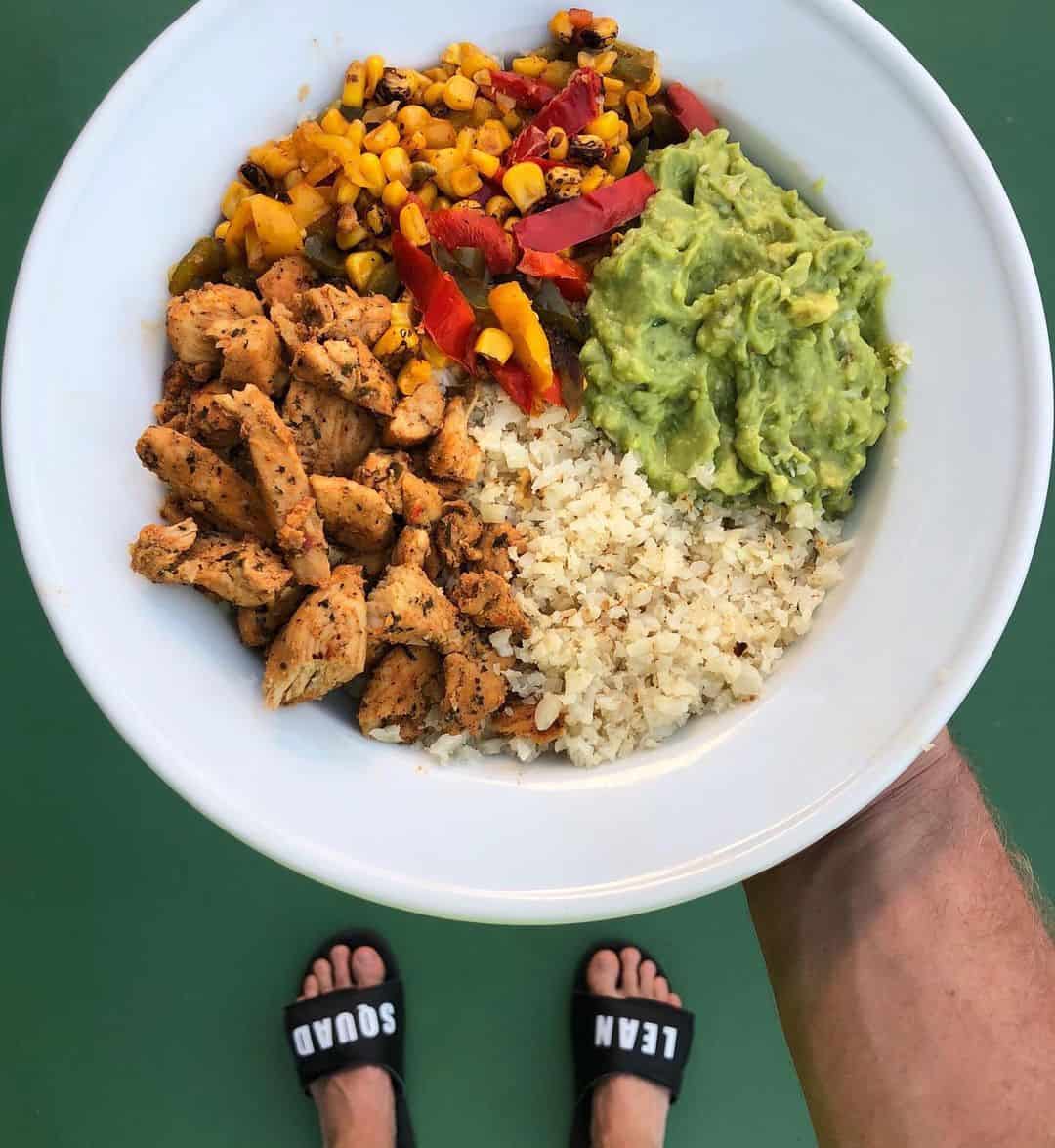
Our Top Pick
Clean Eatz Kitchen Weight Loss Meal Plan
Chef-prepared, portion-controlled meals designed for real weight loss results. No cooking required. No calorie counting. Just fresh food that works.
View on AmazonWhat Is the Galveston Diet?
The Galveston Diet is a science-backed approach created by Dr. Mary Claire Haver that combines anti-inflammatory foods, strategic intermittent fasting, and hormone-conscious macronutrient ratios. This program addresses the unique metabolic and hormonal challenges women face during midlife. The framework integrates nutritional science with hormonal awareness to support sustainable weight management and overall wellness.
The diet targets specific health problems affecting women in their 40s and beyond, including stubborn belly fat, energy crashes, and hormonal weight gain. Traditional calorie-counting methods often fail to address these age-related challenges. Dr. Haver’s approach recognizes that hormonal shifts require a more nuanced dietary strategy than simple caloric restriction.
The Galveston Diet operates through three core pillars that work synergistically. These components include intermittent fasting for metabolic optimization, anti-inflammatory foods to reduce systemic inflammation, and a macronutrient distribution strategy called ‘Fuel Refocus.’ Each pillar addresses distinct aspects of hormonal health and metabolic function during menopause and perimenopause.
Who Is This Diet Designed For?
The Galveston Diet is specifically designed for women in their 40s and beyond who experience midlife hormonal changes and menopause. This program addresses the unique metabolic and hormonal shifts that occur during this life stage. Women navigating these transitions find targeted nutrition strategies essential for managing their changing bodies effectively.
The diet targets stubborn belly fat, energy crashes, and hormonal weight gain that plague women over 40 during menopause. These symptoms reflect deeper metabolic and hormonal shifts that standard nutrition approaches often overlook. Addressing these specific concerns requires a specialized dietary framework designed for menopausal women’s unique physiology.
Women whose hormonal weight gain resists traditional calorie-counting approaches find this diet particularly beneficial. Why does traditional calorie restriction fail? Standard calorie restriction alone fails to address the hormonal imbalances driving weight gain in midlife women. The Galveston Diet tackles the root hormonal causes, not merely the caloric symptoms.
How Does It Differ From Other Diets?
The Galveston Diet differs from generic diets by using a hormone-conscious macronutrient approach specifically targeting midlife women’s hormonal changes rather than relying on simple calorie restriction. This targeted strategy addresses the unique metabolic challenges women face during perimenopause and menopause. The diet recognizes that hormonal fluctuations require nutritional strategies beyond traditional weight loss methods.
Macronutrient distribution sets the Galveston Diet apart from standard American eating patterns. By comparison, the average American diet comprises 35% fat, 16% protein, and 47% carbohydrates. The Galveston Diet advocates 70% fat, 20% protein, and 10% carbohydrates. This dramatic shift in macronutrient ratios prioritizes fat and protein while significantly reducing carbohydrate intake.
The diet resembles the standard keto diet in its macronutrient distribution, as most daily calories derive from fat rather than carbohydrates. Both approaches emphasize fat as the primary energy source. However, the Galveston Diet maintains distinct objectives centered on hormonal balance for midlife women.
Anti-inflammatory emphasis distinguishes the Galveston Diet from simple low-carb approaches. The diet encourages intake of vegetables and fruits rich in plant compounds that combat inflammation naturally. Whole foods and micronutrient density become central to food selection. This focus on nutrient quality supports sustained health outcomes beyond weight management alone.
How Does the Galveston Diet Work?
The Galveston Diet works by reducing inflammation, stabilizing blood sugar, and supporting natural fat burning through intermittent fasting and macronutrient adjustments. This metabolic approach targets three core mechanisms that influence weight management and metabolic health. The diet combines time-restricted eating with strategic nutrient composition to optimize the body’s fat-burning capacity.
The ‘Fuel Refocus’ phase shifts the body’s primary energy source from carbohydrates to fat. Most calories come from dietary fat instead of carbs, enabling metabolic adaptation. This fuel source transition allows the body to access stored fat reserves and burn them efficiently for sustained energy.
Intermittent fasting creates a calorie deficit by restricting eating windows. This time-limited approach naturally reduces overall calorie consumption without requiring strict calorie counting. The deficit between calories consumed and expended drives weight loss through metabolic demand.
What Role Does Intermittent Fasting Play?
The Galveston diet emphasizes 16/8 intermittent fasting, a protocol where you fast for 16 hours and eat during an 8-hour window. This structured eating pattern aligns with hormonal optimization for women over 40, supporting metabolic efficiency during midlife transitions. The time-restricted approach simplifies meal planning while accommodating the diet’s focus on hormone-sensitive nutrition.
During fasting windows, consuming calories breaks the fast state. However, zero-calorie beverages provide flexibility and sustained hydration. Plain water, unsweetened tea, and unsweetened coffee are permitted options that maintain fasting benefits. These drinks help manage hunger without triggering metabolic disruption.
Intermittent fasting gives the digestive system dedicated recovery time. The extended fasting period allows the gut to repair its lining and restore optimal function. This digestive restoration reduces bloating, decreases food sensitivities, and alleviates discomfort commonly experienced during midlife hormonal shifts.
Time restriction naturally reduces overall calorie consumption. When eating occurs within an 8-hour window, individuals consume fewer meals and snacks daily. This spontaneous calorie reduction creates the deficit necessary for sustainable weight loss without requiring constant calorie counting.
What Happens to Your Body on This Diet?
Inflammation decreases within the first week as inflammatory foods are eliminated and gut health improves through anti-inflammatory food choices. The body responds rapidly to dietary shifts that remove trigger foods. This inflammatory reduction forms the foundation for all subsequent physiological adaptations that enhance overall wellness.
The first 7 days reset metabolism as the body eliminates inflammatory responses and establishes hormonal balance. Metabolic adaptation during this period prepares the system for sustainable weight management. These physiological changes create the conditions necessary for long-term dietary success and hormonal stabilization.
Blood sugar stabilization occurs through the high-fat, low-carb approach, delivering consistent energy throughout the day. Women experience enhanced vitality and elimination of afternoon energy crashes. What’s more, steady glucose levels reduce cravings and support mental clarity during menopause transitions.
The digestive system gains time to rest and repair during fasting periods, reducing gas and abdominal distension common during menopause. Gut recovery decreases bloating and discomfort. Improved intestinal function enhances nutrient absorption and supports the microbiome balance essential for hormonal health.
What Foods Can You Eat and Avoid?
The Galveston diet emphasizes high fat, low carb, antioxidant-rich, and anti-inflammatory foods while eliminating processed foods, added sugar, and alcohol. This strategic approach targets metabolic and hormonal balance during perimenopause and menopause. The diet framework prioritizes whole, nutrient-dense options that support stable blood sugar and reduce systemic inflammation.
Probiotic-rich foods form a cornerstone of the Galveston diet’s gut health strategy. Tea and fermented foods deliver beneficial bacteria that enhance digestive function and immune response. In fact, regular consumption of these probiotic sources strengthens the gut microbiome, which directly influences hormone metabolism and overall wellness.
The diet provides specific food categories to simplify meal planning and adherence. Approved proteins, healthy fats, non-starchy vegetables, low-glycemic fruits, nuts, seeds, dairy, and beverages create a comprehensive framework. Eliminating inflammatory options like refined carbohydrates and sugar-laden products completes the dietary structure for sustainable results.
Which Foods Are Included?
Healthy fats form the foundation of this eating plan, with approved sources including olive oil, coconut oil, MCT oil, butter, ghee, avocado oil, and sesame oil. These fat sources provide essential fatty acids and support satiety. Each option delivers distinct nutritional profiles suited to different cooking methods and dietary preferences.
Protein sources emphasize lean options that support muscle maintenance and metabolic function. Included proteins are lean ground beef, chicken, turkey, eggs, lean pork, salmon, trout, tuna, and shellfish. These choices deliver high protein content while remaining relatively low in saturated fat.
Low-carb fruits are limited to varieties that fit macronutrient targets. Allowed fruits are avocado, strawberries, blueberries, and raspberries. These fruits provide fiber, antioxidants, and micronutrients without excessive carbohydrate content.
Vegetables offer extensive nutrient density across multiple categories. Approved vegetables include leafy greens such as spinach, kale, lettuce, dill, and mustard greens. Additional options like cauliflower, broccoli, cabbage, tomato, bell pepper, cucumber, onion, and carrots provide diverse micronutrients and fiber.
Nuts and seeds deliver nutrient-dense options for snacking and meal preparation. Included are cashews, pistachios, almonds, peanuts, walnuts, and seeds like pumpkin, sesame, sunflower, flax, and chia. These foods supply healthy fats, protein, and essential minerals.
Which Foods Should You Eliminate?
Processed foods must be eliminated on the Galveston diet to reduce inflammation and support hormonal balance. Most packaged and commercially prepared items contain additives, preservatives, and refined ingredients that trigger inflammatory responses. Removing these foods creates a cleaner nutritional foundation for hormonal regulation.
Added sugars and artificial ingredients require complete elimination from your diet. These substances destabilize blood sugar levels and promote inflammatory reactions throughout the body. Avoiding them supports metabolic health and prevents energy crashes.
Alcohol consumption should be eliminated on the Galveston diet to maintain anti-inflammatory benefits. Why does alcohol matter? Alcoholic beverages increase systemic inflammation and interfere with hormonal balance during perimenopause. Removing alcohol accelerates the diet’s therapeutic effects.
Inflammatory foods represent a broad category that the diet eliminates entirely. These items damage gut health and trigger bloating and digestive discomfort. Eliminating them improves nutrient absorption and reduces gastrointestinal symptoms.
How Do You Follow the Galveston Diet?
The Galveston Diet begins with a structured 7-day introductory plan designed to establish sustainable lifestyle habits. This initial framework teaches dietary principles for long-term adherence. The approach emphasizes gradual integration into daily eating patterns rather than extreme restriction. Following the starter plan prepares individuals for permanent dietary changes.
Weekly meal preparation requires a 2-3 hour time commitment to maximize dietary success. Dedicate this block to washing vegetables, portioning healthy fats such as nuts and seeds, and organizing proteins. This advance work simplifies daily meal assembly, and structured preparation eliminates decision fatigue during the week.
Batch cooking creates versatile foundation foods for multiple meals throughout the week. Prepare large quantities of compliant proteins like grilled chicken, baked salmon, or hard-boiled eggs. These precooked proteins mix easily into salads, grain bowls, or standalone dishes. The technique saves time while maintaining dietary consistency.
What Are the Core Rules and Guidelines?
The 16/8 intermittent fasting schedule requires eating all daily calories within an 8-hour window and fasting for the remaining 16 hours each day. This timing protocol creates a structured eating pattern that aligns with the body’s natural circadian rhythms. Practitioners consume their meals during the designated window and abstain from food during the fasting period.
Macronutrient targets guide daily caloric distribution across three primary nutrients. Aim for approximately 70% of daily calories from fats, 20% from protein, and 10% from carbohydrates. This macronutrient ratio forms the metabolic foundation of the protocol.
Food quality emphasis prioritizes selecting whole, nutrient-dense options while eliminating harmful substances. Focus on high fat, low carb, antioxidant-rich, and anti-inflammatory foods. Processed foods, added sugar, and alcohol must be removed from the diet.
Probiotic inclusion supports digestive health and systemic wellness through fermented foods and beverages. Drink tea and consume fermented foods rich in probiotics to support gut health. These beneficial microorganisms reduce inflammation and strengthen the intestinal barrier.
How Should You Structure Your Meals?
Balanced meal composition combines compliant proteins, pre-cut vegetables stored in glass containers, and healthy fats like nuts and seeds. This foundational structure ensures each meal delivers essential macronutrients while maintaining convenience for consistent adherence. Proper meal organization simplifies preparation and supports metabolic stability throughout the day.
Breakfast options deliver nutritional variety and sustained energy. A spinach omelet cooked in avocado oil with fresh strawberries provides protein, healthy fats, and antioxidants. Alternatively, sweet plums paired with low-fat yogurt offer natural sweetness, probiotics, and digestive support for your morning meal.
Midday nutrition benefits from protein-rich, vegetable-focused combinations. Power greens with grilled chicken, avocado, and roasted asparagus create a satisfying lunch that balances leafy nutrition with quality protein. Roasted fish with vegetables serves as another excellent option, delivering omega-3 fatty acids and micronutrient density.
Evening meals maintain the same nutritional principles as earlier meals. Grilled chicken breast with chopped romaine lettuce and avocado provides lean protein and healthy fat in a simple preparation. Alternatively, grilled chicken with mixed greens, red onions, feta cheese, cashews, cranberries, olive oil, and fresh lemon juice offers complex flavors and nutrient variety.
Pantry staples streamline meal preparation and support anti-inflammatory nutrition. Frozen organic vegetables and berries provide convenient additions without requiring fresh produce storage. Olive oil, broth, and compliant seasonings form the foundation for quick, nutritious meal assembly.
Ready to Transform Your Midlife Health?
You don’t have to navigate hormonal weight gain alone. The Optimal Weight Plan from our Independent OPTAVIA Coaches delivers a personalized roadmap designed specifically for women over 40 struggling with stubborn belly fat, energy crashes, and metabolic changes.
Get the exact step-by-step plan sent directly to your inbox, complete with hormone-balancing meal strategies, sustainable fasting protocols, and expert coaching support. This isn’t another generic diet template. This is your personalized blueprint for reclaiming your energy, your body, and your confidence.
Join thousands of women who’ve already transformed their health. Don’t guess your way through menopause. Get the proven system that works with your hormones, not against them. Sign up now and start seeing real results within the first week.
Our Top Pick
Clean Eatz Kitchen Weight Loss Meal Plan
Chef-prepared, portion-controlled meals designed for real weight loss results. No cooking required. No calorie counting. Just fresh food that works.
View on Amazon