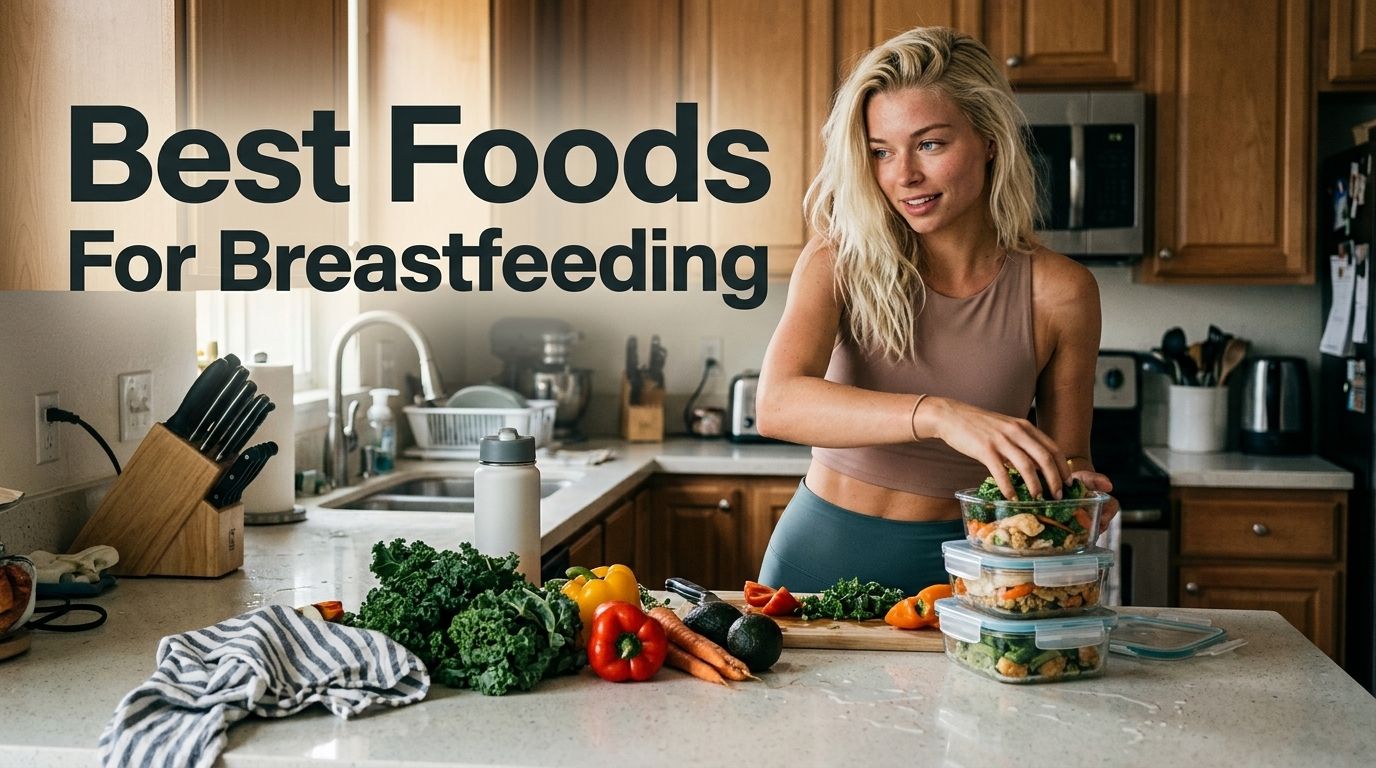
The best foods for breastfeeding are nutrient-dense whole foods that fuel milk production, replenish postpartum nutrient stores, and support both maternal and infant health. Breastfeeding increases demand for protein, calcium, iron, omega-3 fats, and several key vitamins above baseline adult requirements.
A varied diet rich in lean proteins, leafy greens, whole grains, healthy fats, and low-mercury fish gives nursing mothers the nutritional foundation their bodies need. Research shows that maternal diet directly influences the vitamin and omega-3 content of breast milk. Foods like oats, salmon, and leafy greens also support milk production alongside frequent nursing.
This guide covers which foods deliver the most benefit, which nutrients matter most, what to avoid, and how to structure a practical eating plan while nursing. Readers can also get a free nutrition plan from Independent OPTAVIA Coaches at Optimal Weight Plan.
What Are the Best Foods to Eat While Breastfeeding?
The best foods for breastfeeding are whole grains, lean proteins, leafy greens, low-mercury fish, and dairy or calcium-rich alternatives. Each category addresses a specific nutritional demand that increases during lactation. A varied diet across all food groups covers most needs without requiring rigid meal plans.
Here’s the thing: breast milk stays nutritious no matter what the mother eats, but the mother’s energy and nutrient reserves suffer when her diet is poor. Eating well during breastfeeding protects both the infant’s nutritional intake and the mother’s recovery. Smith et al. (2021) in the Journal of Maternal Nutrition found that mothers eating whole grains, fruits, and lean proteins reported higher energy and better milk production.
Eating a wide variety of foods while breastfeeding also changes the flavor of breast milk. This exposes the baby to different tastes early and may help them accept solid foods more easily later on. Varied eating benefits both mother and child at the same time.
Which Protein Foods Support Breastfeeding Moms?
The top protein foods for breastfeeding include salmon, lean beef, eggs, Greek yogurt, beans, lentils, and poultry. Breastfeeding moms need two to three servings of protein daily, with each serving equal to 3 to 4 ounces (85 to 113g) of meat, fish, or poultry. Protein supports milk production, tissue repair, and sustained energy.
Salmon stands out as the most nutrient-dense protein choice for nursing mothers. It provides DHA, the omega-3 fat critical for a baby’s brain and nervous system development. Salmon also contains natural vitamin D and vitamin B12, both of which support postpartum mental health and energy. Wild-caught, farm-raised, and canned salmon all provide comparable benefits.
Legumes including beans, lentils, and chickpeas deliver plant-based protein alongside iron, fiber, and folate. Greek yogurt provides 20 grams (0.7 oz) of protein per 7-ounce (200g) serving along with the calcium breastfeeding moms require. These foods cover protein needs without relying exclusively on meat.
Top Protein Foods for Breastfeeding:
- Salmon (DHA, vitamin D, vitamin B12)
- Lean beef and poultry
- Eggs (including egg yolks for iron)
- Greek yogurt (protein and calcium)
- Beans, lentils, and chickpeas
- Sardines (omega-3s and calcium)
What Vegetables Should Breastfeeding Moms Eat?
Yes. Vegetables are essential in a breastfeeding diet, with leafy greens and sweet potatoes offering the most targeted benefits. Leafy greens including spinach, kale, and Swiss chard provide vitamins A, C, and K plus calcium and iron. These nutrients support bone health, immune function, and energy during the postpartum period.
One medium sweet potato meets the full daily vitamin A requirement for breastfeeding mothers. Vitamin A supports the baby’s vision, bone growth, and immune system development. Breast-fed babies depend entirely on maternal dietary intake to receive adequate vitamin A for their growth.
Asparagus, beets, carrots, okra, and papaya also appear consistently across breastfeeding nutrition recommendations. These vegetables provide a mix of fiber, potassium, and antioxidants alongside core vitamins. Aiming for three servings of vegetables daily, including at least one dark green or orange variety, covers the key micronutrient bases.
What Nutrients Do Breastfeeding Mothers Need Most?
Breastfeeding mothers need elevated intake of calcium, iron, vitamin D, omega-3 DHA, vitamin B12, iodine, and selenium. These are the nutrients most affected by maternal diet and most directly transferred to breast milk. Deficiency in any of these affects both the mother’s health and the infant’s development.
Omega-3 DHA is especially critical. It supports infant brain and nervous system development from birth through the early months. Mothers can boost DHA in their milk by eating fish two to three times per week. Best sources include salmon, trout, flounder, and bluefish. Shark, swordfish, king mackerel, and tilefish must be avoided due to high mercury levels.
Vitamin B12 deserves particular attention for vegan or vegetarian mothers. Breastfed infants of women who avoid all animal products may receive insufficient B12 through milk. Low B12 in infancy carries risk of neurological damage. Vegan breastfeeding mothers need to supplement B12 consistently and may also need to supplement iodine, zinc, choline, and omega-3s.
How Much Calcium Does a Breastfeeding Mom Need?
Breastfeeding mothers need 1,000 to 1,300 milligrams of calcium per day to support bone health and milk production. One cup of milk or yogurt provides approximately 300 milligrams (mg). Meeting the daily target requires consistent inclusion of calcium-rich foods across all meals.
The best dairy sources are milk, yogurt, hard cheeses, and calcium-fortified orange juice. Almonds provide calcium without dairy and are frequently recommended for breastfeeding moms with non-dairy preferences. Calcium-fortified tofu, soy beverages, and leafy greens also contribute meaningfully to the daily total.
The body prioritizes calcium delivery to breast milk above maternal bone reserves. Inadequate calcium intake does not reduce milk calcium content but does deplete the mother’s bones. Consistently meeting the 1,000 to 1,300 mg daily target protects both maternal skeletal health and long-term bone density.
Good Calcium Sources for Breastfeeding Moms:
- Milk and low-fat yogurt (300 mg per cup)
- Hard cheeses
- Almonds (non-dairy source)
- Calcium-fortified orange juice
- Calcium-fortified tofu and soy milk
- Leafy greens (kale, bok choy)
What Foods Help Increase Breast Milk Production?
The foods most associated with supporting milk production are oats, fennel, salmon, leafy greens, legumes, garlic, ginger, and flaxseeds. These are called galactagogues, foods traditionally known to promote lactation. Frequent nursing or pumping remains the strongest driver of supply, but these foods support the body’s ability to produce milk.
In plain English: no food creates milk on its own. Milk production responds to demand first. But a diet rich in iron, healthy fats, and galactagogue foods ensures the body has adequate resources to meet that demand. Poor nutrition can reduce a mother’s energy and overall output even when feeding frequency is maintained.
Lee and Patel (2020) in Breastfeeding Medicine found that incorporating probiotic-rich foods enhances the nutritional profile of breast milk and improves infant gut health. Probiotic sources include Greek yogurt, kefir, fermented vegetables, and miso. These foods add functional value beyond basic galactagogue effects.
Do Oats Really Boost Milk Supply?
Yes. Oats are one of the most well-supported galactagogue foods for breastfeeding mothers. They are high in iron and fiber, both of which support postpartum recovery and sustained energy. Oats also contain saponins, compounds that some studies suggest directly stimulate milk production.
Iron is especially important here. Postpartum iron stores are often depleted after delivery. Low iron is associated with fatigue and reduced milk output in some mothers. Oats provide a consistent, easy-to-prepare iron source that fits into any meal or snack format.
Smith et al. (2021) found that mothers eating diets rich in whole grains like oats reported higher levels of milk production compared to those on lower whole grain diets. Oatmeal with ground flaxseeds, almonds, and berries is a practical combination that stacks multiple galactagogue and nutrient benefits in a single meal.
Do Breastfeeding Moms Need Extra Calories?
Yes. Breastfeeding mothers need approximately 500 extra calories per day above their pre-pregnancy baseline. The body uses those additional calories to produce breast milk and maintain maternal energy. Eating slightly less than needed does not necessarily reduce milk supply, but it does reduce the mother’s energy and recovery rate.
And here’s how to add those calories without relying on junk food. A slice of whole-grain bread with a tablespoon of peanut butter, a medium banana or apple, and 8 ounces (227g) of yogurt together provide the extra 250 to 500 calories in a nutrient-dense form. The goal is to choose nutrient-rich foods rather than empty calories that provide energy without supporting recovery.
Hunger cues are a reliable guide during breastfeeding. Many mothers find they are hungry more often or that it takes more food to satisfy their appetite. Responding to those cues with balanced meals and snacks keeps both energy and milk production stable without requiring calorie counting.
How Much Water Should a Breastfeeding Mom Drink?
Breastfeeding mothers should drink at least 8 to 10 cups (1.9 to 2.4 liters) of fluids per day. Water is the best choice, but milk, juice, herbal teas, broths, and soups all count toward the daily total. Adequate hydration is fundamental to milk production, as breast milk is primarily water.
A simple practical strategy: drink a glass of water or unsweetened beverage every time the baby nurses or pumping begins. This habit naturally ties fluid intake to feeding frequency. Most breastfeeding mothers who follow this pattern meet their daily fluid needs without tracking intake.
Forcing extra fluids beyond thirst does not increase milk supply. Dehydration, however, can reduce output and increase fatigue. Staying ahead of thirst is the target, not aggressively overhydrating. Limiting sugary drinks, sodas, and sports drinks keeps fluid intake clean while meeting hydration goals.
What Foods Should You Avoid While Breastfeeding?
The foods and drinks breastfeeding mothers should limit or avoid are alcohol, high-mercury fish, excess caffeine, and in some cases dairy if the baby shows signs of sensitivity. These substances pass through breast milk in amounts that can affect the infant. Most other foods require no restriction during breastfeeding.
Alcohol transfers to breast milk most readily. Not drinking alcohol is the safest option. If a breastfeeding mother chooses to drink, a single standard drink followed by a minimum 2-hour wait before nursing or pumping keeps infant exposure minimal. Feeding or pumping just before drinking, rather than after, further reduces transfer.
High-mercury fish pose a real developmental risk because mercury passes through breast milk and affects the infant’s brain and nervous system. Shark, swordfish, king mackerel, and tilefish must be avoided entirely. Safe low-mercury options include salmon, trout, sardines, and flounder. The FDA recommends 8 to 12 ounces (227 to 340g) of low-mercury seafood per week for breastfeeding women.
Foods and Drinks to Limit or Avoid While Breastfeeding:
| Item | Risk | Guideline |
|---|---|---|
| Alcohol | Transfers to breast milk | Avoid; if drinking, wait 2+ hours before nursing |
| High-mercury fish | Neurological effects in infant | Avoid shark, swordfish, king mackerel, tilefish |
| Excess caffeine | Infant fussiness, disrupted sleep | Limit to 2-3 cups of coffee per day maximum |
| Dairy (if infant reacts) | Colic, gassiness, reflux in baby | Eliminate if infant shows consistent symptoms |
Is Caffeine Safe While Breastfeeding?
Yes, in limited amounts. Caffeine is safe up to approximately 300 milligrams (mg) per day while breastfeeding, equivalent to about 2 to 3 cups of coffee. This is the guideline from both the FDA and most lactation specialists. Individual doctors may recommend staying below 300 mg depending on the baby’s response.
Does caffeine actually pass to the baby? Yes. Caffeine transfers through breast milk in measurable amounts. Too much caffeine can make a baby fussy, irritable, or resistant to sleep. Tea, energy drinks, and soft drinks contain caffeine that counts toward the daily total and should be factored in.
Newborns are more sensitive to caffeine than older infants because their livers cannot process it as efficiently. The safe window may be tighter in the first weeks of life. Monitoring the baby’s behavior after caffeinated beverages is the most reliable indicator of personal tolerance.
How Does Your Diet Affect Your Baby Through Breast Milk?
Maternal diet directly influences the vitamin, omega-3, and flavor profile of breast milk. The vitamins most responsive to maternal intake include B1, B2, B6, B12, iodine, selenium, and omega-3 DHA. A mother eating a deficient diet produces milk that is lower in these specific nutrients while maintaining adequate levels of calcium, iron, folate, and zinc regardless of intake.
And here’s what that means in practice. A vegan mother who does not supplement B12 produces milk with low B12 levels, which puts her infant at risk of neurological deficiency. A mother eating two to three servings of oily fish per week produces milk with higher DHA content. Food choices have a targeted, measurable effect on specific nutrients in breast milk.
The flavor of breast milk also changes with maternal diet. This is actually beneficial. Babies exposed to a wide range of flavors through breast milk are more likely to accept varied foods during weaning. Eating garlic, herbs, and diverse vegetables while breastfeeding may reduce picky eating later in childhood.
Can Food Sensitivities Pass Through Breast Milk?
Yes. Food proteins from the mother’s diet can pass into breast milk and trigger reactions in sensitive infants. The most common foods associated with infant reactions are dairy products, soy, wheat, and eggs. Less common triggers include fish, nuts, and corn. Any food the mother eats is theoretically capable of appearing in breast milk in small amounts.
Here’s what to watch for. Colic symptoms from dairy exposure include gassiness, a bloated abdomen, and reflux. True food allergy symptoms include green, mucus-like, and blood-specked stools. Skin rashes and persistent digestive discomfort are also indicators. Keeping a food diary alongside symptom notes helps identify the connection quickly.
Removing the suspected food from the mother’s diet is the first step. As long as the baby is gaining weight and is not anemic, the reaction does not cause long-term harm. Breastfeeding does not need to stop. A structured postpartum nutrition program can help mothers maintain adequate nutrient intake while eliminating specific trigger foods safely.
Want Your Free Breastfeeding Nutrition Plan from Our OPTAVIA Coaches?
You’ve got the nutritional framework. Now you need a plan that fits into your actual life as a new mother. Our coaches at Optimal Weight Plan build practical eating structures around real schedules, real food budgets, and real energy levels. Don’t navigate postpartum nutrition alone when expert support is available at no cost.
Independent OPTAVIA Coaches at Optimal Weight Plan specialize in helping women build sustainable, nutrient-dense eating habits during and after breastfeeding. The guidance is specific, actionable, and built on the same evidence base reviewed above. Reach out now before the window of early postpartum nutrition passes.
What Does the Optimal Weight Plan Free Action Plan Include?
The Optimal Weight Plan free action plan includes a breastfeeding-specific meal guide, a curated food list, and direct access to an Independent OPTAVIA Coach. The meal guide maps daily nutrient targets to specific foods and meal combinations. The food list prioritizes the galactagogue, calcium, iron, and DHA-rich options covered in this article.
Our team at Optimal Weight Plan structures the plan around permanent eating habits rather than temporary restriction. The focus is on building a daily eating pattern that supports milk production, postpartum recovery, and long-term health simultaneously. This mirrors the dietary patterns shown to produce the best maternal and infant outcomes in research.
Getting the plan costs nothing. Readers receive the exact protocol Optimal Weight Plan coaches use, delivered directly to their inbox. It covers food selection, fluid intake, supplement guidance, and a weekly check-in structure designed specifically for nursing mothers.