
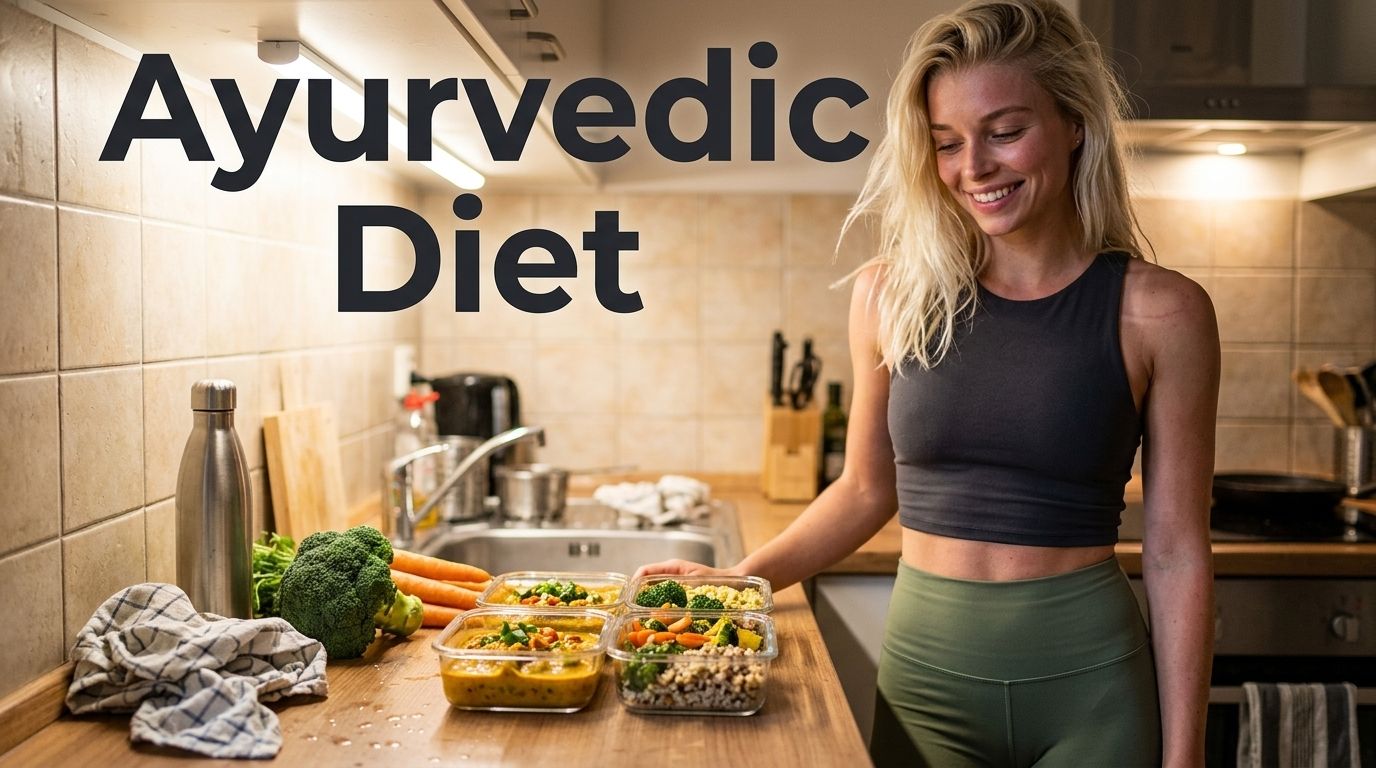
The ayurvedic diet is a 5,000-year-old Indian wellness system that personalizes eating to your body type, called a dosha. It focuses on digestion, food timing, and whole foods, not calorie counting. It treats food as medicine for both body and mind.
Agni, the digestive fire, governs how nutrients are absorbed. Eating the largest meal at midday optimizes digestion. The six tastes, sweet, sour, salty, pungent, bitter, and astringent, structure every meal to ensure nutritional completeness. Therapeutic spices like turmeric, ginger, and cumin work as prebiotics that feed gut bacteria and reduce inflammation.
Research links Ayurvedic eating to weight loss, improved cholesterol, and reduced inflammation. This guide covers the three doshas, what to eat and avoid, common beginner mistakes, and how long results take. By the end, you’ll have everything needed to start eating with purpose.
What Is the Ayurvedic Diet?
The ayurvedic diet is a 5,000-year-old Indian wellness system built on body-type eating. Unlike modern diets focused on calories or macros, it considers what, when, and how you eat. Food is treated as medicine, personalized to your constitution and current life season.
Here’s the thing: Ayurveda is rooted in the idea that five universal elements, air, water, space, fire, and earth, combine to form three body energies called doshas. Each person carries all three, but one or two dominate. That dominant dosha shapes digestion, energy, and which foods support or disrupt your balance.
And here’s what makes it different from every diet you’ve tried. Unlike fad diets, the ayurvedic diet doesn’t restrict food groups arbitrarily. The value lies in observing your own responses. Certain foods may nourish one person and disturb another. The ayurvedic diet teaches you to read those signals and adjust accordingly.
What Are the Three Doshas?
The three doshas are vata, pitta, and kapha, each governing distinct body functions and food needs. Vata (air and space) favors warm, moist, grounding foods. Pitta (fire and water) thrives on cooling, hydrating foods that limit heat. Kapha (earth and water) benefits from light, dry foods that encourage movement.
So what does that mean for you? Vata types experience irregular digestion and benefit from warm cooked grains, root vegetables, and ghee. Raw foods and cold beverages weaken vata’s already-variable digestive fire. Consistency in meal timing is especially important for vata balance.
Pitta types run hot internally. They do best with cooling foods like cucumbers, coconut, and leafy greens. Spicy, salty, and fermented foods amplify pitta’s internal heat. Kapha types need stimulation, lighter proteins, bitter greens, and warming spices counter their natural tendency toward sluggish digestion.
Dosha Comparison:
| Dosha | Elements | Best Foods | Avoid |
| Vata | Air + Space | Warm grains, root veg, ghee | Cold, raw, dry foods |
| Pitta | Fire + Water | Cucumbers, coconut, leafy greens | Spicy, salty, fermented |
| Kapha | Earth + Water | Bitter greens, light proteins, warming spices | Nuts, seeds, heavy oils |
Dosha type is identified through a structured assessment of physical traits, digestion, temperament, and energy patterns. Free quizzes from institutes like The Ayurvedic Institute map these traits to your dominant dosha. Most people have a primary dosha with a secondary influence.
In plain English: your natural constitution is called prakriti. Your current imbalance is called vikruti. The goal of an ayurvedic diet is to bring vikruti back toward prakriti. This means your ideal diet may shift during stress, illness, or seasonal changes.
A practical method? Keep a food journal. Track what you eat and how you feel one to two hours later. Over time, patterns emerge, certain foods energize you while others create bloat, fatigue, or brain fog. Ayurveda calls this personal observation the foundation of all dietary wisdom.
How Does the Ayurvedic Diet Work?
The ayurvedic diet works by optimizing agni, the digestive fire that governs all metabolism and nutrient absorption. Strong agni means food is fully processed and converted into nourishment. Weak agni allows partially digested material called ama to accumulate. Weak agni causes disease.
Now, watch this. Meal timing is a core mechanism. Agni mirrors the sun: strongest at midday, weakest in the morning and evening. Eating the largest meal at lunch takes advantage of peak digestive capacity. A light dinner at least two to three hours before sleep allows agni to rest and recover overnight.
Mindful eating also drives results. Ayurveda requires eating in a calm, settled environment without screens or stress. Research shows this practice naturally reduces calorie intake by improving satiety signals. The speed of eating directly affects how well agni processes each meal.
What Are the Six Tastes in Ayurveda?
The six Ayurvedic tastes are sweet, sour, salty, pungent, bitter, and astringent, and every meal should include all six. Sweet covers grains and dairy. Sour covers citrus and yogurt. Salty includes sea salt. Pungent covers ginger and pepper. Bitter covers leafy greens. Astringent covers legumes and apples.
Here’s why this matters. Including all six tastes per meal ensures nutritional completeness. When a taste is missing, the body generates cravings to fill the gap. Bitter greens support liver detoxification. Astringent foods reduce excess moisture. Pungent spices stoke digestive fire and improve absorption.
And it gets better. Spices play a dual role in Ayurvedic eating. Cumin, turmeric, ginger, and black pepper act as digestive aids and prebiotics. They feed beneficial gut bacteria that regulate immunity, reduce inflammation, and stabilize mood. These are not optional seasonings, they’re the digestive engine of every Ayurvedic meal.
The Six Tastes and Their Sources:
| Taste | Example Foods | Dosha Effect |
| Sweet | Rice, dairy, sweet potato | Calms vata and pitta |
| Sour | Citrus, yogurt, vinegar | Stimulates agni |
| Salty | Sea salt, seaweed | Hydrates and grounds vata |
| Pungent | Ginger, chili, mustard | Stokes digestive fire |
| Bitter | Leafy greens, turmeric | Detoxifies and cools pitta |
| Astringent | Legumes, apples, pomegranate | Dries and tones tissues |
Lunch is the most important meal in Ayurveda because agni peaks at midday, making digestion most efficient between 12 and 2 PM. Eating the largest, most complex meal at noon ensures maximum nutrient absorption with minimum metabolic strain. Evening digestion is significantly weaker.
The bad news? Most of us eat backwards. A heavy dinner creates digestive strain during sleep, when agni is at its lowest. Research links late-night heavy eating to weight gain, disrupted sleep, and acid reflux. Ayurveda has prescribed this eating pattern for centuries, long before circadian biology confirmed it.
Dinacharya, the Ayurvedic daily routine, recommends eating at consistent times every day. Irregular meal timing disrupts agni’s natural rhythm and leads to accumulation of ama. Even healthy foods eaten at the wrong time can become a digestive burden.
What Are the Benefits of an Ayurvedic Diet?
The ayurvedic diet delivers measurable benefits including weight loss, improved digestion, and reduced inflammation. A 2014 study found participants lost an average of 13 lbs (5.9 kg) over nine months following an ayurvedic diet paired with yoga and stress management. The diet’s whole-foods foundation is rich in fiber, antioxidants, and essential nutrients.
For example, the diet naturally discourages processed foods high in calories, fat, salt, and sugar. This alone reduces caloric intake without counting. Ayurvedic spices like hot peppers and ginger support metabolism. Research shows these ingredients satisfy appetite and reduce total calorie intake over time.
And what’s more, Ayurveda supports cardiovascular health. Research shows it lowers blood pressure and cholesterol. A shift toward fruits, vegetables, and whole grains, combined with reduced red meat, directly lowers heart disease risk. Fenugreek specifically has been shown to lower LDL and raise HDL cholesterol.
Key Benefits of the Ayurvedic Diet:
- Weight loss: avg 13 lbs (5.9 kg) over 9 months (2014 study)
- Improved digestion and reduced bloating
- Lower blood pressure and cholesterol
- Reduced systemic inflammation via spices
- Improved mental clarity and energy
- Stronger immune function via gut microbiome support
Does the Ayurvedic Diet Help With Digestion?
Yes. The ayurvedic diet directly strengthens digestion by prioritizing warm cooked foods that support agni and prevent ama buildup. Cold, raw, and leftover foods are restricted because they weaken digestive fire. When agni is strong, bloating, constipation, and indigestion disappear.
This is important: herbs and spices act as prebiotics in the Ayurvedic system. Cumin, fennel, coriander, and ginger feed beneficial gut bacteria. A healthy microbiome reduces systemic inflammation, improves mood via the gut-brain axis, and strengthens immune defenses. Digestive herbs are prescribed with meals, not as supplements after the fact.
Hydration protocols also support gut health. Warm water throughout the day, lassi (a probiotic yogurt drink) at lunch, and Ayurvedic herbal teas maintain gut lining integrity and support nutrient absorption. Cold beverages with meals are avoided as they suppress agni mid-digestion.
Yes. The ayurvedic diet reduces inflammation through daily use of turmeric, ginger, and other anti-inflammatory spices proven in clinical research. Turmeric’s active compound curcumin is one of the most studied natural anti-inflammatories. Research links regular turmeric consumption to reduced joint inflammation and improved arthritis symptoms.
The diet’s cardiovascular benefits reinforce this. Ayurveda lowers blood pressure and cholesterol through whole-food eating patterns that mirror the Mediterranean diet. Reducing red meat and processed foods eliminates two primary drivers of chronic low-grade inflammation.
Here’s the part most people miss. The full Ayurvedic lifestyle further reduces inflammation through cortisol management. Laughter, nature exposure, adequate sleep, and yoga are all recommended alongside dietary changes. Research has directly linked elevated cortisol to belly fat accumulation and immune system suppression, both of which the Ayurvedic lifestyle specifically targets.
Is the Ayurvedic Diet Scientifically Supported?
The ayurvedic diet is partially supported by science, with strong evidence for its individual components but limited large-scale clinical trials on the full system. The dosha framework itself lacks biological validation. But specific elements, whole foods, anti-inflammatory spices, mindful eating, meal timing, are each independently supported by peer-reviewed research.
The most cited outcome study, published in 2014, showed participants lost an average of 13 lbs (5.9 kg) over nine months following ayurvedic diet and lifestyle practices. The absence of a control group limits the conclusions. Still, the results align with outcomes from similarly structured whole-foods approaches.
Bottom line: Ayurvedic principles closely mirror the Mediterranean and Blue Zone diets, fresh seasonal whole foods, smaller portions, active lifestyle, and community meals. Those patterns have extensive clinical backing for longevity, heart health, and cognitive function. The overlap is hard to ignore.
What Does Research Say About Dosha-Based Eating?
Dosha-based eating lacks direct clinical validation but parallels the emerging field of personalized nutrition backed by microbiome and genetic research. No randomized controlled trials have confirmed that eating by dosha type produces superior outcomes compared to standard whole-food diets. The dosha system remains a traditional wellness framework, not a biological classification.
Modern personalized nutrition research examines how individual gut microbiome composition determines which foods best serve each person. This mirrors Ayurveda’s individualized approach, the mechanism differs, but the outcome goal is the same. Indirect support from this field lends credibility to the broader concept.
And here’s the kicker: specific herbs used in Ayurvedic eating are individually well-studied. Ashwagandha reduces cortisol and supports sleep. Ginger reliably reduces nausea. Black pepper contains piperine, which enhances nutrient bioavailability, including curcumin’s, by up to 2,000%. These targeted benefits stand on solid peer-reviewed foundations.
Ayurvedic Herbs and Their Evidence-Based Benefits:
- Turmeric (curcumin): reduces joint inflammation, linked to improved arthritis symptoms
- Ashwagandha: lowers cortisol, supports sleep quality
- Ginger: reliably reduces nausea and stimulates digestion
- Fenugreek: lowers LDL cholesterol, raises HDL cholesterol
- Black pepper (piperine): enhances nutrient bioavailability by up to 2,000%
- Cumin: supports digestion, acts as a prebiotic
What Foods Should You Eat on an Ayurvedic Diet?
The ayurvedic diet centers on fresh, organic, seasonal whole foods, fruits, cooked vegetables, whole grains, legumes, ghee, and anti-inflammatory spices. These foods are favored across all three doshas and form the universal foundation of Ayurvedic eating. Freshness is essential; prana (life force) diminishes in stored or processed foods.
Cooked vegetables are preferred over raw because heat makes them easier to digest and gentler on agni. Whole grains like rice and quinoa provide sustained energy without spiking blood sugar. Legumes like mung beans are particularly prized, easy to digest, high in protein, and supportive of all three doshas.
Think of it this way: core Ayurvedic superfoods do triple duty. Ghee lubricates and cleanses the digestive tract. Ginger stimulates agni. Turmeric fights inflammation. Mung beans are gentle on every dosha. These ingredients appear in nearly every traditional Ayurvedic recipe because taste, medicine, and digestive support all arrive in the same bite.
Universal Ayurvedic Foods (all doshas):
- Whole grains: rice, quinoa, oats
- Legumes: mung beans, lentils, chickpeas
- Cooked vegetables: zucchini, sweet potato, beets, carrots
- Healthy fats: ghee, sesame oil, coconut oil
- Fruits: pomegranate, apples, dates, figs
- Therapeutic spices: turmeric, ginger, cumin, coriander, fennel
- Natural sweeteners: raw honey, jaggery, maple syrup
What Foods Should You Avoid?
The ayurvedic diet restricts processed foods, leftover meals, cold foods, red meat, and artificial sweeteners across all dosha types. These foods are classified as tamasic, heavy, dull, and depleting to both digestion and mental clarity. Processed foods weaken agni and increase ama accumulation directly.
Leftover and cold foods are considered devoid of prana. Ayurveda views them as digestively inert, burdensome rather than nourishing. Consuming leftover foods regularly leads to ama buildup manifesting as constipation, brain fog, skin issues, and reduced immunity. Freshly cooked meals are non-negotiable in the traditional system.
Red meat is restricted because it’s heavy and slow to digest, stressing agni even when it’s strong. Artificial sweeteners disrupt beneficial gut bacteria. Lighter proteins like fish and chicken are acceptable substitutes for those transitioning from meat-heavy diets.
What Are the Risks of an Ayurvedic Diet?
The ayurvedic diet carries a low but real risk profile centered on herb-drug interactions, limited clinical trial data, and potential nutrient gaps from restrictive dosha guidelines. The diet itself is nutritionally rich, but strict adherence to dosha food lists, without professional guidance, can create imbalances over time.
Here’s what no one tells you. Common Ayurvedic herbs present the clearest medical risk. Ashwagandha may enhance the effects of thyroid medication. High-dose turmeric acts as a blood thinner. Fenugreek can lower blood sugar, which is dangerous in combination with diabetes medications. Anyone on prescription drugs should consult a physician before adding therapeutic herbs.
Nutritional gaps are possible when dosha guidelines are followed rigidly. Kapha types restricted from dairy may see reduced calcium intake without compensating with other sources. Vata types avoiding raw foods may miss certain heat-sensitive vitamins. Periodic review by a nutritionist helps avoid these gaps in long-term practice.
Common Herb-Drug Interactions to Watch:
| Herb | Drug Category | Interaction Risk |
| Turmeric (high dose) | Blood thinners | Increases bleeding risk |
| Fenugreek | Diabetes medications | Dangerous blood sugar drop |
| Ashwagandha | Thyroid medications | May amplify thyroid effects |
| Ginger (high dose) | Blood thinners | Mild anticoagulant effect |
Who Should Avoid the Ayurvedic Diet?
Pregnant women should consult a qualified Ayurvedic practitioner before starting, as several herbs used in the diet are contraindicated during pregnancy. Standard Ayurvedic protocols were not designed for prenatal needs. Individualized modifications are essential and require professional oversight.
People taking medications for blood pressure, diabetes, cholesterol, or thyroid conditions face herb-drug interaction risk. Herbs like ashwagandha, fenugreek, and turmeric in therapeutic doses can amplify or counteract pharmaceutical effects. A physician consult before starting is not optional, it’s required for safe practice.
Those with a history of disordered eating should approach the diet’s specific food rules with caution. Rigid dosha-based restrictions may reinforce patterns of avoidance and dietary anxiety. Ayurveda’s core philosophy is flexibility and observation, the restriction angle should never overshadow the intuitive eating foundation at its heart.
What Common Mistakes Do People Make on the Ayurvedic Diet?
The most common mistake on the ayurvedic diet is eating the largest meal at dinner instead of lunch, directly undermining agni at its weakest point. This creates ama, disrupts sleep quality, and contributes to weight gain, exactly what the diet is designed to prevent. Shifting the main meal to midday is the single highest-impact change a beginner can make.
Cold and raw food overload is the second most common error. Many health-conscious beginners arrive from raw food or smoothie cultures and bring those habits into Ayurvedic eating. Large raw salads and cold blended drinks suppress agni in every dosha type. Is this reversible? Yes, warm, lightly cooked vegetables deliver the same micronutrients with dramatically better digestibility.
Skipping therapeutic spices reduces the entire system to a generic whole-foods diet. Cumin, coriander, fennel, and ginger are the digestive engine of Ayurvedic meals. They’re not optional garnishes. Without them, agni lacks the stimulation it needs to fully process food. Starting with a simple digestive spice blend added to every meal is the easiest fix.
Common Mistakes to Avoid:
- Eating the biggest meal at dinner (weakens agni, causes ama)
- Consuming large amounts of raw or cold foods
- Skipping therapeutic spices like cumin, ginger, and coriander
- Eating in a stressed or distracted state (suppresses agni)
- Ignoring meal timing and consistency (dinacharya)
- Eating leftover foods from the previous day
How Long Does the Ayurvedic Diet Take to Work?
Results from the ayurvedic diet appear on two timelines: digestion improves within one to two weeks, while significant weight loss builds over months. Reduced bloating, more regular bowel movements, and improved energy are typically the first changes. These reflect agni strengthening in response to consistent warm-food eating and spice use.
The 2014 outcome study placed weight loss at an average of 13 lbs (5.9 kg) over nine months. Ayurveda is a long-term lifestyle shift, not a rapid intervention. Sustainable fat loss requires metabolic recalibration, a process that takes months of consistent practice to establish.
The good news? Consistency matters far more than perfection. Dinacharya (daily routine) is the mechanism that drives results. Small daily habits compound over weeks and months. Missing a day or eating one off-plan meal doesn’t reset progress. The key is returning to the protocol calmly, the same non-judgmental observation Ayurveda applies to all self-assessment.
Want Your Free Ayurvedic Wellness Action Plan from Our OPTAVIA Coaches?
You’ve got the knowledge. Now you need a real plan. Our coaches at Optimal Weight Plan have built a free, personalized ayurvedic wellness action plan with dosha-aligned meal timing, therapeutic spice protocols, and daily habit structure. Not a generic food list, a framework built around how your body actually works.
Independent OPTAVIA Coaches at Optimal Weight Plan bridge ancient wisdom with modern accountability. The gap between understanding Ayurveda and actually changing your habits is where most people stall. A structured plan from a real coach closes that gap with weekly support, adjustments, and accountability built in from day one.
Most people who study Ayurveda understand the principles but drift back to old habits within weeks. Without a plan, knowledge stays theoretical. Get the exact action plan our team at Optimal Weight Plan developed. Sent straight to your inbox. Don’t guess your way to results when a proven protocol is one step away.