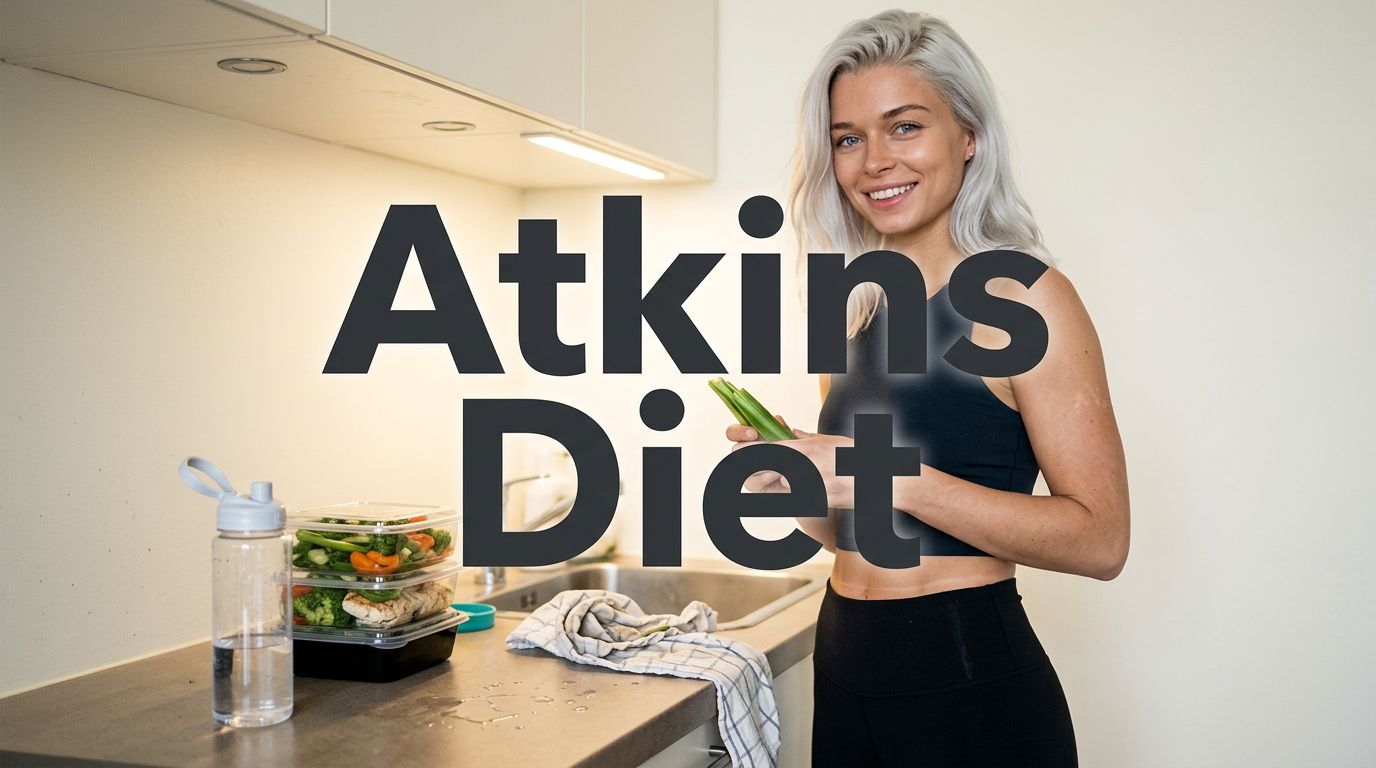
The Atkins diet is one of the most researched low-carb eating plans in the world, with over five decades of clinical study behind it. Developed by cardiologist Dr. Robert Atkins in 1972, it restricts carbohydrates to shift the body into burning stored fat for energy rather than glucose.
Unlike most calorie-restriction diets, the Atkins diet targets insulin regulation directly. By limiting carbohydrates to as low as 20 grams of net carbs per day in its initial phase, the diet drives down insulin levels and forces the body to mobilize fat stores for fuel. Research consistently shows this approach produces faster initial weight loss than low-fat diets, alongside measurable improvements in triglycerides, blood sugar, and HDL cholesterol.
This guide covers what the Atkins diet is, how its four phases work, which foods to eat and avoid, the research-backed health benefits, the key risks to understand, and how it compares to the ketogenic diet for weight management outcomes.
What Is the Atkins Diet?
The Atkins diet is a low-carbohydrate eating plan that targets insulin and fat metabolism. It was created by Dr. Robert Atkins and first published in ‘Dr. Atkins’ Diet Revolution’ in 1972. The diet restricts carbohydrate intake dramatically while allowing unrestricted consumption of protein and fat. This macro shift forces the body to switch from glucose to fat as its primary fuel source, a state called nutritional ketosis.
The Atkins diet is structured into four progressive phases rather than a single fixed plan. Each phase introduces more carbohydrates incrementally as the dieter approaches and then maintains their goal weight. This graduated structure makes Atkins more flexible over the long term than the ketogenic diet, which requires permanent strict carbohydrate restriction. The Atkins 20 plan starts at 20g net carbs daily, while the more moderate Atkins 40 plan starts at 40g for those with less weight to lose.
How Does the Atkins Diet Work?
The Atkins diet works by depleting glycogen stores and triggering fat oxidation. When carbohydrate intake drops below a threshold of roughly 20-50g of net carbs per day, the body exhausts its stored glycogen within 24-48 hours. Without glucose from carbohydrates, the liver begins converting fatty acids into ketone bodies that the brain and muscles use for energy. This metabolic state, called ketosis, directly mobilizes body fat and produces the rapid early weight loss the Atkins diet is known for.
Insulin levels fall sharply on the Atkins diet because carbohydrates are the primary driver of insulin release. Lower insulin unlocks fat stores by reducing the hormone’s inhibitory effect on lipolysis. What does that mean in practice? The body becomes significantly more efficient at burning its own stored fat for energy throughout the day, including during rest. This explains why many Atkins followers report reduced hunger despite eating fewer calories than before.
What Are the Four Phases of the Atkins Diet?
The Atkins diet progresses through four distinct phases with increasing carbohydrate allowances. Phase 1, called Induction, starts at 20g of net carbs per day for a minimum of two weeks and establishes ketosis. Phase 2, Balancing, adds 5g of net carbs per week while the dieter continues losing weight. Phase 3, Fine-Tuning, adds 10g of net carbs per week when the dieter is within 10 pounds (4.5kg) of their goal weight. Phase 4, Maintenance, establishes the permanent carbohydrate level that keeps weight stable without restriction.
Net carbs are calculated by subtracting fiber grams from total carbohydrate grams on a food label. Fiber does not raise blood sugar or stimulate insulin, so it is excluded from the Atkins carbohydrate count. This means high-fiber vegetables contribute fewer net carbs than their total carb count suggests and remain central to the diet from the very first phase onward.
Atkins Diet Phase Guide:
| Phase | Name | Net Carbs/Day | Duration | Goal |
|---|---|---|---|---|
| Phase 1 | Induction | 20g | 2+ weeks | Enter ketosis, begin fat burning |
| Phase 2 | Balancing | 25-50g | Until near goal | Continue weight loss, add foods |
| Phase 3 | Fine-Tuning | 50-80g | Until goal reached | Slow loss, find carb tolerance |
| Phase 4 | Maintenance | 80-100g | Ongoing | Maintain weight indefinitely |
What Can You Eat During Atkins Induction?
Phase 1 Induction restricts food choices to protein, fat, and low-carb vegetables. All meats, poultry, fish, and shellfish are allowed without portion restriction. Eggs and most cheeses are permitted. Non-starchy vegetables like leafy greens, broccoli, cauliflower, zucchini, peppers, and asparagus provide the 20g net carb allowance. Butter, olive oil, and other fats are encouraged. Water, coffee, and tea without added sugar are the primary beverages. Nuts and seeds are excluded in Phase 1 and reintroduced in Phase 2.
Induction lasts a minimum of two weeks, though many people extend it until they are within striking distance of their weight loss goal. The rapid weight loss in the first two weeks includes both fat loss and water loss from glycogen depletion. Each gram of glycogen stored in muscle tissue is bound to approximately 3g (0.1oz) of water, so initial weight loss on a low-carb diet tends to be faster and more dramatic than subsequent fat-only loss phases.
How Do You Transition Through the Later Atkins Phases?
Phase 2 Balancing reintroduces foods in a specific order as carb allowance rises. Nuts and seeds return first, then berries and other lower-sugar fruits, then legumes, then starchier vegetables. Each food group is added back incrementally, with 5g of net carbs added per week. If weight loss stalls or reverses, the dieter reduces carbs back down until loss resumes. This trial-and-error approach helps each person find their individual carbohydrate tolerance for weight loss.
Think of it this way: Phase 2 is essentially a systematic experiment to identify exactly how many carbs a particular body can handle while still losing weight. That number varies considerably between individuals due to differences in insulin sensitivity, activity level, and metabolic rate. Phase 3 Fine-Tuning continues this process near the goal weight, and Phase 4 Maintenance uses the same personal carbohydrate threshold for indefinite weight management.
What Foods Can You Eat on the Atkins Diet?
The Atkins diet centers on protein, healthy fats, and low-carbohydrate vegetables. Beef, chicken, pork, lamb, and all types of fish and shellfish are allowed freely across all phases. Eggs are a staple food and consumed daily by most Atkins followers. Hard and soft cheeses, heavy cream, butter, and full-fat dairy are permitted. Olive oil, avocado oil, and coconut oil serve as primary cooking fats. Above-ground vegetables low in starch form the carbohydrate foundation of every meal.
Avocados are particularly valuable on the Atkins diet because they provide fiber, potassium, and healthy monounsaturated fat with very few net carbs. Nuts and seeds, reintroduced in Phase 2, add satisfying snacks and plant-based fats. Berries are among the first fruits to return because they are lower in sugar than most fruit options. Artificial sweeteners approved for Atkins use include stevia, erythritol, and sucralose, though the diet recommends limiting them to reduce sweet cravings over time.
Atkins Diet Approved Food List:
- Protein: beef, chicken, pork, lamb, salmon, tuna, shrimp, crab, eggs
- Dairy: cheddar, brie, mozzarella, heavy cream, butter, full-fat Greek yogurt (Phase 2+)
- Vegetables: spinach, kale, arugula, broccoli, cauliflower, zucchini, peppers, asparagus
- Fats: olive oil, avocado oil, coconut oil, avocados, butter
- Nuts and seeds (Phase 2+): almonds, walnuts, pecans, chia seeds, flaxseed
- Fruit (Phase 2+): blueberries, strawberries, raspberries, blackberries
- Sweeteners: stevia, erythritol, sucralose (in moderation)
What Foods Are Not Allowed on the Atkins Diet?
The Atkins diet eliminates all high-carbohydrate foods, grains, and added sugars. Bread, pasta, rice, oatmeal, and all grain-based products are excluded from Phase 1 entirely and remain severely restricted in later phases. Sugar in all forms, including honey, maple syrup, and agave, is prohibited. Starchy vegetables like potatoes, corn, peas, and sweet potatoes are excluded. Most fruit is restricted in Phase 1 due to high sugar content. High-carb legumes like chickpeas and kidney beans are not introduced until Phase 2 or later.
Alcohol is discouraged during Induction because it temporarily halts fat burning while the liver processes ethanol. Beer is very high in carbohydrates and remains largely off-limits throughout the diet. Dry wines and spirits contain fewer carbs but still interrupt ketosis when consumed. Vegetable oils high in omega-6 fatty acids, like corn, soybean, and sunflower oil, are also avoided in favor of more stable fats like olive oil and avocado oil throughout the diet.
Foods to Avoid on the Atkins Diet:
- All grains (bread, pasta, rice, oats, cereals)
- Sugar and sweetened foods (candy, soda, juice, pastries)
- Starchy vegetables (potatoes, sweet potatoes, corn, peas)
- Most fruit in Phase 1 (bananas, apples, oranges, grapes, mangoes)
- High-carb legumes in Phase 1 (chickpeas, kidney beans, lentils)
- Beer and sugary cocktails
- Vegetable oils high in omega-6 (corn, soybean, sunflower oil)
What Are the Health Benefits of the Atkins Diet?
The Atkins diet delivers measurable improvements in weight, triglycerides, and blood sugar control. A landmark two-year study published in the New England Journal of Medicine found that low-carb diets outperformed low-fat diets for weight loss and cardiovascular risk markers. Triglyceride levels typically drop 20-30% in the first three months on Atkins. HDL cholesterol, the protective kind, rises as fat intake increases. Blood sugar and fasting insulin levels fall dramatically, making Atkins particularly effective for people with prediabetes or type 2 diabetes.
The good news is that hunger reduction is one of the most consistent benefits reported by Atkins followers. Ketosis suppresses the hunger hormone ghrelin measurably, and high protein intake is the most satiating macronutrient per calorie. Many people on the Atkins diet eat fewer calories without deliberately tracking them because protein and fat keep them fuller for longer than carbohydrate-heavy meals do.
Is Atkins Good for Losing Belly Fat?
Yes. Low-carb diets like Atkins preferentially reduce visceral abdominal fat. Visceral fat, the dangerous fat surrounding internal organs, is more metabolically active and responds more rapidly to insulin reduction than subcutaneous fat under the skin. Studies consistently show that low-carb dieters lose a greater proportion of visceral fat compared to low-fat dieters, even when total weight loss is similar between groups. This visceral fat reduction directly lowers the risk of type 2 diabetes, heart disease, and metabolic syndrome.
How fast does belly fat decrease on Atkins? Most people see measurable waist circumference reduction within the first four weeks of Phase 1. The initial water loss from glycogen depletion visibly reduces abdominal bloating within the first week. Actual visceral fat reduction follows over weeks and months as the body continues burning stored fat through sustained ketosis and reduced insulin levels throughout the diet.
What Are the Risks of the Atkins Diet?
The Atkins diet carries several short-term and long-term considerations to understand before starting. The most common short-term experience is ‘Atkins flu,’ a collection of symptoms including fatigue, headache, brain fog, irritability, and muscle cramps that occurs during the first week as the body transitions away from glucose metabolism. Electrolyte loss drives most of these symptoms, and supplementing sodium, potassium, and magnesium typically reduces their severity within a few days of onset.
Constipation is a real concern on a diet that eliminates most fiber-rich grains and legumes. Prioritizing non-starchy vegetables and adding flaxseed or chia seeds in Phase 2 helps maintain digestive regularity. Bad breath from acetone, a ketone body exhaled through the lungs, is common during ketosis and typically resolves as the body adapts over two to four weeks. Staying well hydrated significantly reduces both constipation and the intensity of ketone-related breath changes on the diet.
Long-term high saturated fat intake remains a subject of scientific debate. Some research links it to increased LDL cholesterol, while other studies show the specific LDL particle size that rises on low-carb diets is the less atherogenic large-particle variety. People with a personal or family history of heart disease should discuss the Atkins diet with their physician before starting and monitor lipid panels at regular intervals during dietary adherence.
Is Atkins the Same as the Keto Diet?
No. Atkins and keto share the low-carb approach but differ in structure and flexibility. The ketogenic diet requires permanent, strict maintenance of very low carbohydrate intake (20-50g daily) and a high fat ratio of 70-75% of total calories. The Atkins diet starts at the same carbohydrate level but progressively increases carbs through its four phases, eventually allowing 80-100g of net carbs per day in Phase 4 Maintenance. This means most Atkins Phase 4 followers are no longer in ketosis but still maintain their weight through a moderate low-carb approach.
Atkins vs. Keto: Key Differences:
| Feature | Atkins | Ketogenic Diet |
|---|---|---|
| Starting carbs | 20g net carbs/day | 20-50g total carbs/day |
| Long-term carbs | Up to 100g net carbs/day | Stays below 50g permanently |
| Fat emphasis | High fat, moderate protein | Very high fat (70-75% calories) |
| Phases | 4 progressive phases | Single ongoing approach |
| Ketosis requirement | Phase 1-2 only | Permanent goal |
| Flexibility | High in later phases | Low, requires ongoing tracking |
Keto requires meticulous fat-to-protein-to-carb ratio tracking to maintain ketosis long-term. Atkins requires carbohydrate tracking only, which most followers find more manageable over months and years. Is one better than the other for weight loss? Research shows similar results at 12 months, with adherence being the primary predictor of outcome for both approaches.
Want Your Free Atkins Diet Action Plan from Our OPTAVIA Coaches?
Our coaches at Optimal Weight Plan offer a free personalized low-carb diet action plan. This plan adapts Atkins principles to an individual’s weight loss goals, food preferences, and health history. Independent OPTAVIA Coaches provide structured guidance through the early adaptation phase, carbohydrate threshold testing, and long-term maintenance planning. The plan includes phase-specific meal templates, grocery lists, and electrolyte management tips to ease the Atkins flu transition in Phase 1.
Here’s the reality: most people who attempt Atkins alone stall in Phase 2 or abandon the diet before reaching Phase 4 Maintenance. Structured coaching bridges the gap between initial motivation and long-term habit formation. Our team at Optimal Weight Plan understands that the Atkins diet requires personalized carbohydrate calibration that generic plans simply cannot provide. Getting the free action plan connects readers with an expert who can guide that calibration from day one.
How Can OPTAVIA Coaches Help You Follow a Low-Carb Diet?
OPTAVIA coaches guide clients through low-carb dietary transitions with structured accountability. They help identify individual carbohydrate tolerance levels during Phase 2 Balancing, troubleshoot common stalls, and adjust protein and fat ratios to match each client’s metabolic response. For clients managing blood sugar conditions alongside weight loss, coaches coordinate with dietary adjustments that align with physician-directed treatment goals. Regular check-ins prevent the common pattern of unguided backsliding during Phase 2 carbohydrate reintroduction.
Research shows structured coaching improves long-term dietary adherence by up to 60% compared to self-directed approaches. Enrolling in a structured weight loss program delivers the expert calibration and ongoing support that sustain Atkins results beyond the initial Phase 1 weight loss. Readers can request their free low-carb diet action plan through Optimal Weight Plan and begin a structured, coach-guided Atkins approach today.