Traditional Asian diets have supported some of the world’s lowest rates of obesity, heart disease, and chronic illness for centuries. Centered on vegetables, whole grains, fish, and fermented foods, this dietary pattern offers a practical and sustainable framework for healthy weight management.
The traditional Asian diet spans East, Southeast, and South Asian cuisines. These cuisines minimize processed foods and red meat in favor of plant-based staples and lean protein sources. Research consistently links traditional Asian dietary patterns to longer lifespan, lower body weight, and reduced chronic disease risk across multiple population studies.
This guide explains what the traditional Asian diet is, which foods to prioritize and avoid, the health benefits research consistently supports, how to build a practical weekly meal plan, and how to access personalized guidance for following it as a long-term weight management strategy.
What Is the Asian Diet?
The Asian diet is a traditional plant-based eating pattern. It draws from the dietary habits of East Asian countries like China, Japan, and Korea, as well as Southeast and South Asian cuisines. The pattern emphasizes high vegetable intake, moderate fish and tofu consumption, and minimal use of red meat, dairy, and processed foods. Tea, ginger, and garlic are foundational flavor ingredients across most Asian culinary traditions.
The Old Ways Preservation and Exchange Trust formalized the Traditional Healthy Asian Diet Pyramid in the 1990s based on common dietary patterns across Asian nations. It places rice, noodles, breads, and whole grains at the daily foundation. Vegetables, legumes, and fruits form the next tier. Fish and shellfish appear several times per week, while red meat appears monthly rather than daily. This structure contrasts directly with Western dietary patterns that center animal protein at every meal.
How Does the Asian Diet Work for Weight Loss?
The Asian diet supports weight loss through high fiber and low calorie density. Vegetables, legumes, and whole grains fill plates with volume and fiber that promotes satiety without excess calories. The low red meat and saturated fat content reduces overall calorie density compared to typical Western diets. Fermented foods like miso, kimchi, and tempeh support gut bacteria that regulate appetite hormones and fat storage signals.
Japan’s obesity rate of roughly 4% is the lowest among developed nations. Is this entirely due to diet? No, but research consistently identifies traditional dietary quality as a primary driver. People who adopt the Asian diet typically reduce total calorie intake naturally without strict restriction because high-fiber plant foods are filling at lower calorie loads than processed alternatives.
What Are the Health Benefits of the Asian Diet?
The Asian diet delivers measurable cardiovascular, metabolic, and digestive health benefits. Population studies in Japan, China, and Singapore link traditional dietary adherence to lower rates of heart disease, type 2 diabetes, obesity, and certain cancers compared to Western nations. These associations persist even after accounting for lifestyle factors like physical activity and smoking status. The diet’s high antioxidant and polyphenol content from tea, vegetables, and soy is a primary mechanism for its protective effects.
Here’s what the research shows: Asian immigrants who maintain traditional eating patterns after relocating to Western countries retain significant health advantages over those who adopt Western diets. Conversely, Japanese and Chinese populations that shift to Western dietary patterns experience rising rates of obesity and chronic disease within a single generation. Diet quality, not genetics alone, drives the protective associations observed in Asian populations.
Is the Asian Diet Good for Heart Health?
Yes. The Asian diet significantly reduces cardiovascular disease risk factors. High fish intake provides omega-3 fatty acids that lower triglycerides, reduce inflammation, and improve endothelial function. Soy protein in tofu and edamame lowers LDL cholesterol by 5-6% in clinical studies. Green tea provides catechins that reduce blood pressure and improve arterial flexibility over time. These combined effects lower the measurable risk of heart attack and stroke.
Japan maintains one of the lowest heart disease mortality rates globally despite relatively high sodium intake from soy sauce and miso. How is that possible? Researchers attribute this protection to the high intake of fish, vegetables, green tea, and soy that offsets sodium-driven cardiovascular risk. Replacing red and processed meats with fish and plant protein is the most impactful single dietary swap for cardiovascular benefit within the Asian dietary framework.
Does the Asian Diet Prevent Type 2 Diabetes?
The Asian diet reduces type 2 diabetes risk significantly. High fiber intake from vegetables and whole grains slows glucose absorption and prevents blood sugar spikes after meals. The low saturated fat content improves insulin sensitivity by reducing intramyocellular fat accumulation in muscle tissue. Fermented soy foods like miso and tempeh contain bioactive compounds that support pancreatic beta cell function and normal insulin secretion.
A prospective study following over 200,000 adults found that adherence to a traditional Asian dietary pattern was associated with a 33% lower risk of developing type 2 diabetes over a 15-year period. The risk reduction was strongest among participants who maintained healthy body weight through the diet. This finding suggests the diet’s metabolic benefits operate through both direct dietary mechanisms and weight-mediated effects simultaneously.
Does the Asian Diet Support Gut Health?
The Asian diet is exceptionally rich in probiotic and prebiotic foods. Kimchi, miso, tempeh, and natto provide live probiotic cultures that populate the gut with beneficial bacteria. High vegetable and whole grain fiber feeds these bacteria and promotes production of short-chain fatty acids that protect the gut lining from inflammation. A diverse, well-nourished gut microbiome regulates immunity, systemic inflammation, and metabolic function through multiple pathways.
Think of it this way: the gut microbiome is shaped almost entirely by diet. The traditional Asian diet, with its variety of fermented foods and plant fibers, consistently produces higher microbiome diversity than Western diets in comparative research. Can gut diversity really affect weight? Yes. Gut bacteria composition influences how the body extracts calories from food and how it regulates fat storage hormones like leptin.
What Foods Can You Eat on the Asian Diet?
The Asian diet centers on rice, vegetables, fish, and tofu. Brown or white rice forms the daily caloric base across most Asian cuisines. Vegetables like bok choy, napa cabbage, shiitake mushrooms, and edamame appear at most meals. Fish and shellfish provide lean protein several times per week. Tofu, tempeh, and miso supply plant protein and fermented benefits. Green, white, and oolong teas replace sugary beverages as the daily drink of choice throughout the day.
Eggs and skinless poultry appear in moderate amounts throughout the week. Noodles made from rice, buckwheat (soba), or mung bean provide carbohydrate variety. Nuts, sesame seeds, and small amounts of sesame or peanut oil are used in cooking. Fresh fruit serves as the primary dessert option. Red meat, when present at all, appears in small portions as a flavoring ingredient rather than a centerpiece protein source.
Asian Diet Core Food List:
- Grains: brown rice, white rice, soba noodles, rice noodles, congee, millet
- Protein: salmon, sardines, shrimp, tofu, tempeh, edamame, eggs, skinless chicken
- Vegetables: bok choy, napa cabbage, shiitake mushrooms, lotus root, daikon, edamame
- Fermented foods: miso, kimchi, natto, tempeh, pickled vegetables
- Drinks: green tea, oolong tea, white tea, bone broth
- Flavor ingredients: ginger, garlic, turmeric, sesame oil, low-sodium soy sauce
- Fruit: mango, lychee, papaya, dragon fruit, citrus, fresh melons
What Foods Should You Avoid on the Asian Diet?
The Asian diet excludes processed foods, red meat, and dairy. Western fast food, packaged snacks, and ultra-processed convenience meals conflict with the diet’s whole-food foundation. Red meat like beef, pork, and lamb is absent or minimal rather than a daily protein source. Dairy products are traditionally rare across East and Southeast Asian cuisines. Sugary beverages like soda and fruit juice directly contradict the diet’s tea and water foundation for daily hydration.
Does that mean white rice and noodles are off-limits? No. Traditional Asian diets often include refined white rice in moderate portions alongside abundant vegetables and protein sources. The fiber and protein from those foods slow glucose absorption and prevent the blood sugar spike that white rice alone would cause. The problem arises when refined carbohydrates replace rather than accompany plant foods and lean proteins in the overall meal structure.
Foods to Minimize or Avoid on the Asian Diet:
- Red and processed meats (beef, pork, bacon, sausages)
- Dairy products (milk, cheese, butter, cream)
- Sugary beverages (soda, fruit juice, energy drinks)
- Western fast food and fried snack foods
- Packaged and ultra-processed convenience foods
- Refined wheat products (white bread, pastries, commercial crackers)
- Added sugars in sauces, dressings, and packaged desserts
Is There an Asian Diet Meal Plan to Follow?
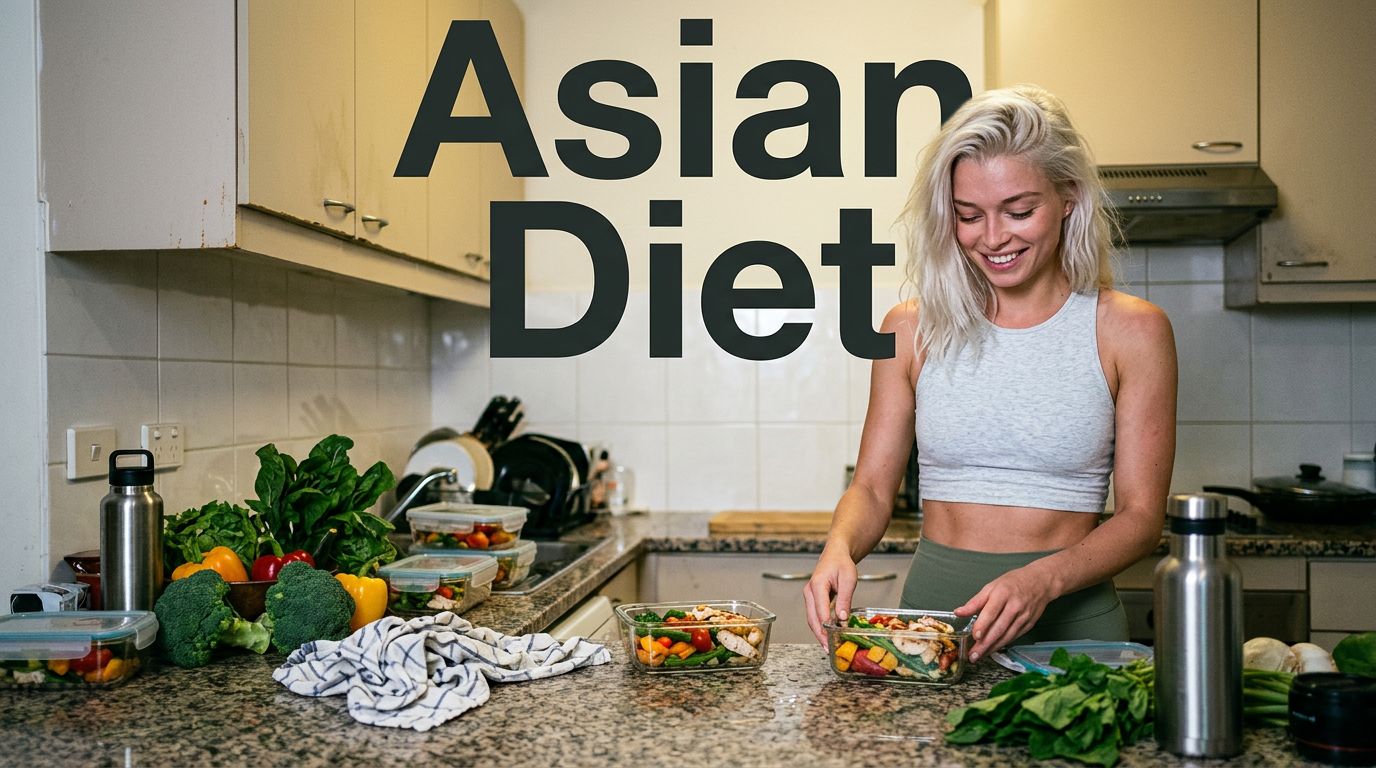
A traditional Asian diet meal plan builds every meal around a grain, a protein, and vegetables. Breakfast typically features miso soup with tofu, steamed vegetables, or congee with pickled sides. Lunch and dinner include a protein like grilled fish or tofu, a grain like brown rice or soba noodles, and at least two vegetable preparations. Green tea accompanies all meals throughout the day. Portion sizes are moderate, and large second servings are uncommon in traditional eating settings.
Here’s a simple structure that works: half the plate is vegetables, one quarter is a protein source, and one quarter is a whole grain. That ratio naturally delivers the fiber, protein, and complex carbohydrates that make the Asian diet effective for weight management. Snacks, when needed, center on fresh fruit, edamame, or a small handful of nuts rather than packaged convenience products.
What Does a Week on the Asian Diet Look Like?
A seven-day Asian diet meal plan rotates fish, tofu, vegetables, and whole grains across every day. Monday might start with vegetable miso soup and brown rice, followed by a salmon bowl at lunch and a tofu stir-fry with bok choy and soba at dinner. Tuesday could feature steamed dumplings at breakfast, a shrimp and vegetable rice bowl at lunch, and grilled mackerel with kimchi and steamed rice at dinner.
Mid-week meals continue the rotation with tempeh curries, congee, edamame soups, and fresh sushi bowls. The goal is variety across protein sources and vegetable types rather than strict daily repetition. Green tea replaces coffee throughout the day. Fruit like mango or papaya serves as an afternoon snack. The pattern is sustainable because it focuses on food category principles rather than precise portion counting at every meal.
5-Day Asian Diet Sample Menu:
| Day | Breakfast | Lunch | Dinner |
|---|---|---|---|
| Monday | Miso soup with tofu and seaweed | Salmon rice bowl with edamame | Tofu stir-fry with bok choy and soba |
| Tuesday | Steamed vegetable dumplings | Shrimp and vegetable brown rice bowl | Grilled mackerel with kimchi and rice |
| Wednesday | Congee with soft egg and scallion | Sushi bowl with tuna and cucumber | Tempeh curry with cauliflower rice |
| Thursday | Oatmeal with sesame and fresh mango | Chicken and vegetable soba noodles | Steamed fish with ginger and bok choy |
| Friday | Green tea with edamame and brown rice | Tofu and mushroom fried brown rice | Lettuce wraps with lean ground turkey |
Are There Any Risks to the Asian Diet?
The Asian diet carries a few nutritional considerations to address. High soy sauce and miso intake increases sodium consumption significantly, with one tablespoon of soy sauce providing 900mg of sodium (39% of the recommended 2,300mg / 2.3g daily limit). People with high blood pressure should choose low-sodium soy sauce and reduce overall miso use. White rice as a primary grain raises the glycemic load of meals when not balanced with adequate vegetables and protein at every serving.
Calcium intake requires active monitoring on a dairy-free Asian diet. Traditional Asian populations obtain calcium from tofu made with calcium sulfate, leafy greens, small fish eaten whole with bones (like sardines and anchovies), and sesame seeds. People transitioning to an Asian diet without dairy need to include these calcium sources deliberately. Vitamin B12 deficiency is a real risk for those following a plant-heavy version of the diet without regular fish or egg consumption.
Who Should Be Cautious With the Asian Diet?
People with soy allergies need to modify the Asian diet significantly. Tofu, tempeh, miso, edamame, and soy sauce are central to many traditional Asian cuisines and must be replaced with non-soy alternatives for those with this allergy. People at risk for iodine deficiency should ensure adequate seaweed or seafood intake, as the diet relies on these food sources for iodine rather than iodized salt. Those with kidney disease may need to limit high-potassium vegetables and high-phosphorus foods like tofu and certain fish species.
Is the Asian diet safe during pregnancy? With modification, yes. Pregnant women should limit raw fish consumption and avoid high-mercury fish like large tuna. The diet’s high folate content from leafy greens and legumes actively supports healthy fetal development. A healthcare provider or registered dietitian can adapt the Asian diet to meet the specific nutritional demands of pregnancy and other individual health conditions requiring dietary adjustment.
Want Your Free Asian Diet Action Plan from Our OPTAVIA Coaches?
Our coaches at Optimal Weight Plan offer a free personalized Asian diet action plan. This plan adapts traditional Asian dietary principles to an individual’s lifestyle, food preferences, and weight management goals. Independent OPTAVIA Coaches provide guidance on building anti-inflammatory, high-fiber meals that support sustainable weight loss without rigid calorie counting or strict elimination protocols. The plan includes weekly meal templates, grocery lists, and practical food swap guides.
Think of it this way: the Asian diet’s principles are straightforward, but applying them consistently to a non-Asian lifestyle requires practical support and accountability. Our team at Optimal Weight Plan bridges the gap between traditional dietary wisdom and modern daily eating habits. No purchase or commitment is required to receive the free action plan and connect with a coach who specializes in evidence-based dietary weight management approaches.
How Can OPTAVIA Coaches Help You Follow the Asian Diet?
OPTAVIA coaches guide clients through the Asian diet for sustained weight management. They identify which aspects of the diet integrate most naturally into a client’s existing eating habits and which require more structured change. For clients managing metabolic conditions like type 2 diabetes or hypertension, coaches coordinate dietary adjustments that align with medical treatment goals. Regular check-ins keep clients consistent and accountable through the early and mid-term adaptation phases.
Research shows that structured coaching improves dietary adherence by up to 60% compared to self-directed eating changes. Enrolling in a structured weight loss program provides the systematic support needed to build lasting dietary habits from the Asian diet’s core principles. Readers can request their free Asian diet action plan through Optimal Weight Plan and begin structured dietary change with expert support today.