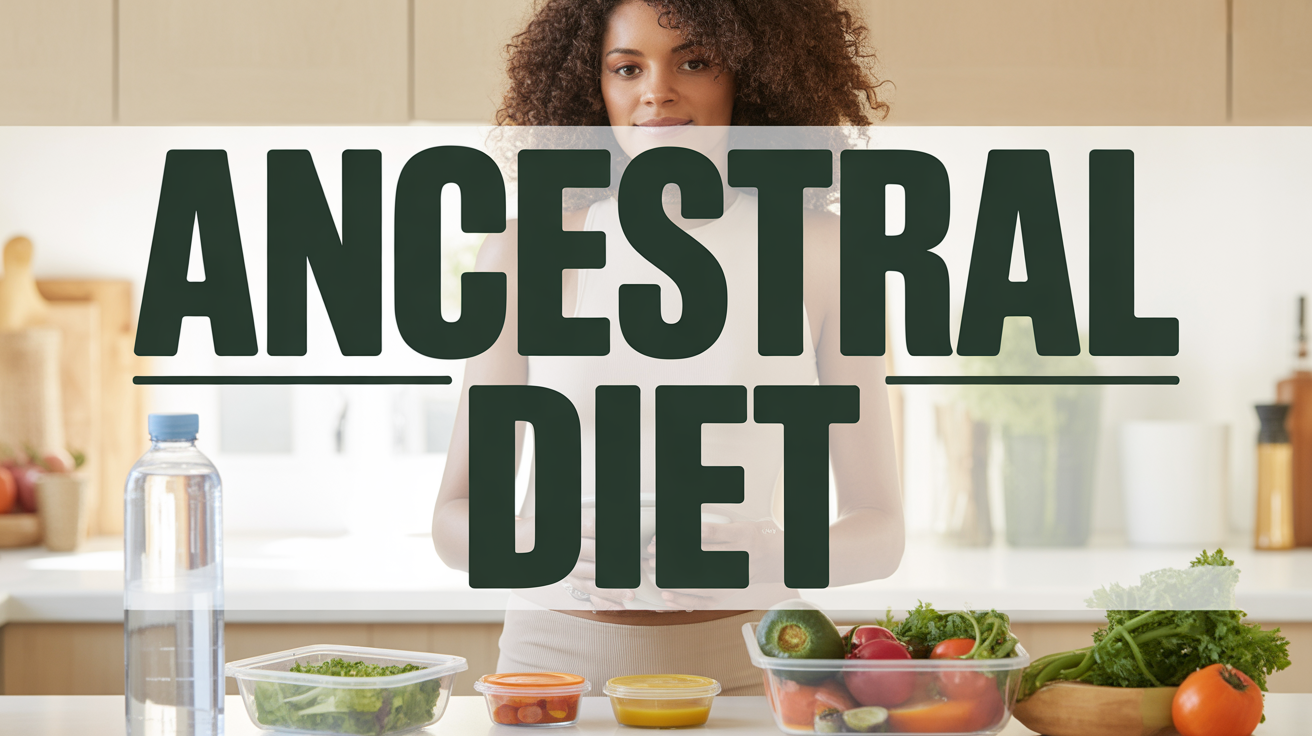
The ancestral diet is a whole-food eating framework modeled on how pre-agricultural humans ate. It focuses on seasonal, unprocessed foods the body evolved to use over thousands of years. It’s not a single rigid protocol but a flexible approach grounded in evolutionary nutrition science.
Here’s what makes this framework stand out. It eliminates ultra-processed foods, refined sugars, and industrial seed oils. It includes quality animal proteins, fermented foods, organ meats, seasonal produce, and whole grains. Research from Blue Zone populations links ancestral-style eating to lower chronic disease rates, improved gut microbiome diversity, better hormone regulation, and sustainable weight loss without calorie counting.
This article covers what the ancestral diet actually is, how it compares to paleo and carnivore diets, what to eat and avoid, its proven benefits, common beginner mistakes, and realistic results timelines. It’s a complete guide to deciding whether this approach fits your health goals.
What Is the Ancestral Diet and Why Does It Matter?
What makes the ancestral diet different from other whole-food approaches?
The ancestral diet is a broad evolutionary eating framework, not a single prescriptive protocol. It models food choices on what pre-agricultural humans hunted, fished, and gathered. Unlike strict paleo, it includes whole grains, legumes, and fermented dairy because these entered human diets after agriculture developed around 10,000 BC. The emphasis is on food quality and minimal processing, not rigid exclusion lists.
This means it’s more sustainable than stricter protocols. People can adapt it to their geography, culture, and food access. The core principle stays consistent: eat foods your biology recognizes and evolved to process efficiently.
Ancestral Diet Core Principles:
- Prioritize whole, minimally processed foods
- Eliminate ultra-processed products and refined sugars
- Choose quality sourcing: grass-fed, wild-caught, organic where possible
- Include fermented foods for gut health
- Eat seasonally and locally when accessible
- Balance animal protein with diverse plant foods
Is the ancestral diet the same as the paleo diet?
No. The paleo diet is one specific subset of ancestral eating. Paleo focuses strictly on the Paleolithic era, eliminating all grains, legumes, and dairy. The ancestral diet is broader. It accepts whole grains like oats and quinoa, traditionally prepared legumes, and fermented dairy like kefir and yogurt. The ancestral framework is historically more accurate since most human populations after the agricultural revolution ate a mix of animal and plant foods.
The practical difference matters for adherence. Strict paleo cuts out foods that are genuinely beneficial for many people. The ancestral diet keeps more options available, which makes long-term compliance far more realistic for most individuals.
How Does the Ancestral Diet Compare to the Carnivore Diet?
Is an all-meat carnivore diet the same as eating ancestrally?
No. The carnivore diet eliminates all plant foods entirely. The ancestral diet includes seasonal fruits, vegetables, tubers, fermented foods, and whole grains alongside quality animal proteins. Most ancestral populations consumed a mix of animal and plant foods. Purely carnivore populations were the historical exception, not the rule. The ancestral framework is the more historically complete and nutritionally diverse approach.
The carnivore diet can address specific autoimmune or digestive conditions in the short term. The ancestral diet, however, supports gut microbiome diversity through fermented foods and plant fiber. That diversity correlates with better long-term metabolic and immune outcomes according to research published in Nature Medicine in 2021.
Ancestral vs. Paleo vs. Carnivore Comparison:
| Feature | Ancestral | Paleo | Carnivore |
|---|---|---|---|
| Grains allowed | Yes (whole) | No | No |
| Legumes allowed | Yes (prepared) | No | No |
| Dairy allowed | Yes (fermented/full-fat) | No | Yes (some versions) |
| Plant foods | Yes | Yes | No |
| Strictness level | Flexible | Strict | Most strict |
What Do You Actually Eat on an Ancestral Diet?
What are the best ancestral diet foods to include every week?
The ancestral diet centers on nutrient-dense whole foods across every food category. Quality animal protein forms the base: grass-fed beef, wild-caught fish, free-range poultry, and eggs. Healthy fats come from olive oil, avocado, coconut oil, and animal fats. Seasonal vegetables and fruits provide fiber, vitamins, and antioxidants. Fermented foods like kefir, kimchi, and sauerkraut support gut microbiome health directly.
Organ meats deserve special attention. Liver and heart are among the most nutrient-dense foods available. A single serving of beef liver delivers more vitamins A, B12, iron, and folate than almost any other food. Many ancestral health practitioners recommend organ meats at least once per week.
Ancestral Diet Food List:
| Category | Examples |
|---|---|
| Animal protein | Grass-fed beef, wild-caught salmon, free-range chicken, eggs, lamb |
| Organ meats | Beef liver, heart, kidney |
| Healthy fats | Olive oil, avocado oil, coconut oil, tallow, lard |
| Vegetables | Leafy greens, sweet potato, broccoli, carrots, zucchini |
| Fruits | Berries, apples, citrus (seasonal) |
| Fermented foods | Kefir, yogurt, kimchi, sauerkraut, kombucha |
| Whole grains | Oats, quinoa, brown rice (in moderation) |
| Legumes | Lentils, black beans, chickpeas (soaked/prepared) |
| Full-fat dairy | Raw milk, full-fat cheese, butter, ghee |
What foods does the ancestral diet require you to avoid?
The ancestral diet eliminates ultra-processed foods, refined sugars, and industrial seed oils as its three non-negotiable exclusions. Ultra-processed foods include packaged snacks, fast food, and anything with artificial additives or preservatives. Refined sugars and high-fructose corn syrup destabilize blood sugar and drive systemic inflammation. Industrial seed oils (canola, soybean, sunflower, corn) disrupt the omega-6 to omega-3 ratio critical for metabolic and hormonal health.
Refined grains like white bread and white pasta lack the fiber and nutrients of their whole-grain versions. Highly processed dairy products, including low-fat flavored yogurt and processed cheese, bear little resemblance to traditional dairy. Excess alcohol falls outside ancestral principles regardless of type.
What Are the Real Benefits of the Ancestral Diet?
Does the ancestral diet actually support weight loss without calorie counting?
Yes. Studies show replacing ultra-processed foods with whole foods reduces body weight and waist circumference without calorie restriction protocols. The mechanism is straightforward. Whole foods are more satiating per calorie than processed alternatives. They trigger appropriate hunger and fullness hormones. Ultra-processed foods are engineered to override those signals. Removing them restores natural appetite regulation.
Research published in the British Medical Journal found that replacing ultra-processed foods with whole foods reduced all-cause mortality risk by 14%. For weight specifically, the reduction in refined sugar and seed oils alone removes the two biggest drivers of caloric excess and fat storage in modern diets.
Can the ancestral diet reduce inflammation and improve energy?
Yes. Industrial seed oils promote systemic inflammation by disrupting the omega-6 to omega-3 fatty acid ratio. Ancestral diets restore that balance through quality animal fats, olive oil, and wild-caught fish. Reduced inflammatory markers correlate with lower risk of cardiovascular disease, type 2 diabetes, and certain cancers. Multiple studies link anti-inflammatory dietary patterns to measurable reductions in C-reactive protein levels within 8-12 weeks.
Energy improves because nutrient-dense whole foods stabilize blood sugar compared to refined carbohydrates. Iron from organ meats and red meat directly supports cellular energy metabolism. Fermented foods improve gut microbiome diversity, which influences neurotransmitter production and mental clarity. Most adherents report improved sleep quality by week three to four.
Ancestral Diet Benefits Summary:
- Weight loss without calorie counting (whole food satiety signals)
- Reduced systemic inflammation (omega balance restoration)
- Improved hormone regulation (gut microbiome support)
- Stable energy levels (no blood sugar spikes from refined carbs)
- Longevity markers improved (Blue Zone population evidence)
- Better gut health (fermented foods + diverse plant fiber)
Is the Ancestral Diet Supported by Real Science?
What does research say about ancestral-style eating and longevity?
Blue Zone populations in Okinawa, Sardinia, the Nicoya Peninsula, Ikaria, and Loma Linda all eat variations of ancestral-style whole-food diets. These populations share the highest rates of healthy aging and lowest rates of chronic disease on the planet. Their diets differ by region but share the same core features: minimally processed whole foods, fermented products, seasonal produce, quality animal protein, and zero ultra-processed foods.
The Mediterranean diet, the most extensively studied ancestral-style pattern, reduces cardiovascular disease risk by up to 30% according to the PREDIMED trial. A 2021 Nature Medicine study found gut microbiome diversity directly correlated with adherence to ancestral-style whole-food diets. The science consistently points in the same direction across independent research populations and methodologies.
Who Should Try the Ancestral Diet?
Is the ancestral diet suitable for beginners to whole-food eating?
Yes. The ancestral diet is more accessible than strict paleo because it doesn’t require eliminating entire food groups. Beginners can start by removing ultra-processed foods, refined sugars, and seed oils. That step alone produces measurable health improvements. No calorie tracking or macro counting is required. The framework supports gradual transitions, which improves long-term adherence compared to strict elimination protocols that produce rebound eating patterns.
People with inflammation-related conditions, metabolic syndrome, or digestive issues tend to see the most dramatic early improvements. The elimination of processed foods and seed oils directly targets the primary dietary drivers of those conditions. Anyone seeking a sustainable long-term whole-food approach, without the rigidity of paleo or keto, fits the ancestral diet framework well.
Are there any risks or downsides to the ancestral diet?
The ancestral diet carries a higher cost barrier due to emphasis on grass-fed, wild-caught, and organic foods. Organ meats and raw dairy carry contamination risk if not properly sourced from reputable suppliers. The absence of specific calorie targets means results depend on individual food quality choices and intuitive eating skills. It’s not a prescriptive protocol, so it requires more self-education than structured meal plans.
Some versions exclude legumes and whole grains without nutritional justification. That strictness can unnecessarily limit fiber intake and beneficial plant compounds. The ancestral framework itself accommodates these foods. Strict paleo-influenced versions of ancestral eating carry more risk of nutritional gaps than the broader flexible approach.
What Are the Most Common Ancestral Diet Mistakes?
What mistakes do beginners make when starting the ancestral diet?
The biggest mistake is buying paleo-labeled packaged products and assuming they’re ancestral. Paleo cookies, bars, and snacks are still processed foods. The packaging doesn’t make them whole foods. A second common error is eliminating all grains without replacing the carbohydrates with appropriate ancestral alternatives like sweet potato, squash, or root vegetables. That causes energy deficits and often derails adherence within weeks.
Neglecting fermented foods is another frequent oversight. Fermented foods are critical for gut microbiome restoration, which underpins most of the hormonal and metabolic benefits. Many beginners focus entirely on protein and fat while ignoring fermentation. Here’s the thing: ignoring food quality is equally problematic. Factory-farmed meat is not ancestral eating, even if it’s technically unprocessed. The sourcing matters as much as the food category.
Top 5 Ancestral Diet Mistakes to Avoid:
- Buying ‘paleo-labeled’ packaged snacks (still ultra-processed)
- Cutting all grains without replacing carbohydrates appropriately
- Skipping fermented foods entirely
- Ignoring food quality (factory-farmed meat is not ancestral)
- Overeating animal protein without balancing with diverse plant foods
When Can You Expect Results on the Ancestral Diet?
How long does the ancestral diet take to produce visible changes?
Most people experience digestive adjustment in weeks one and two as the gut microbiome shifts. Some experience temporary bloating or fatigue as processed food residues clear. This is normal and typically resolves by day ten to fourteen. By weeks three and four, energy improves, bloating reduces, and sleep quality often improves noticeably. These early changes reflect reduced blood sugar volatility and initial gut microbiome improvements.
Visible body composition changes typically begin by months two and three for most adherents. Inflammation markers measurably improve in this window. By months three to six, sustained weight loss, improved metabolic markers, clearer skin, and better gut health are reported consistently. The timeline varies based on starting health status, food quality choices, and how consistently processed foods are eliminated.
Ancestral Diet Results Timeline:
| Timeline | Expected Changes |
|---|---|
| Week 1-2 | Digestive adjustment, possible detox symptoms |
| Week 3-4 | Energy improves, bloating reduces, better sleep |
| Month 2-3 | Body composition changes, inflammation markers improve |
| Month 3-6 | Sustained weight loss, clearer skin, improved metabolic markers |
Want Your Free Ancestral Weight Loss Plan from Optimal Weight Plan?
How can Optimal Weight Plan help you start the ancestral diet today?
Optimal Weight Plan gives you a structured whole-food framework built on ancestral eating principles with the guidance of Independent OPTAVIA Coaches who specialize in sustainable, whole-food weight loss. It removes the guesswork from food sourcing, meal timing, and transitioning away from processed foods. You get a personalized action plan without having to research every detail independently. It’s the fastest path from knowing the principles to actually living them.
In fact, the gap between understanding ancestral eating and implementing it consistently is where most people lose momentum. That’s exactly what structured coaching solves. If you’re ready to cut the ultra-processed foods, restore your metabolic health, and build a sustainable eating pattern grounded in evolutionary science, start with a structured whole-food weight loss plan designed around these exact principles.
The ancestral diet works. The science is consistent. Blue Zone populations prove it across five independent cultures. Your next step is simple: get your free action plan from Optimal Weight Plan and start eating the way your body was built to thrive.