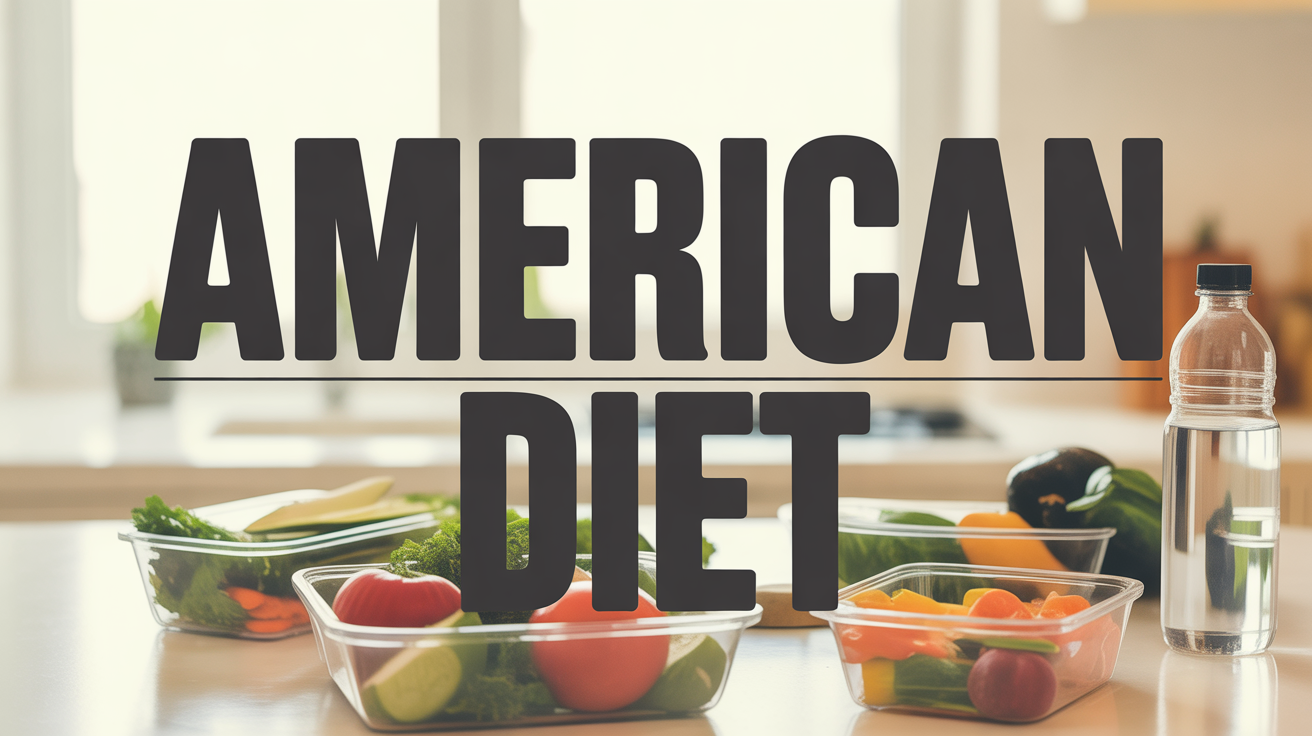
The American diet is one of the most processed, nutrient-poor eating patterns in the developed world. More than 60% of daily calories come from ultra-processed foods. Diet-related chronic diseases affect more than half of US adults. Understanding this pattern is the first step toward changing it.
The Standard American Diet drives obesity, type 2 diabetes, and cardiovascular disease through excess saturated fat, added sugars, and refined grains. Science shows switching to whole foods cuts heart disease risk by up to 30%. Common mistakes like drinking sugary beverages and trusting low-fat labels keep Americans stuck. Blood sugar and energy improve in as little as 2-4 weeks after dietary shifts begin.
The evidence is clear and the timeline for change is faster than most expect. This article covers what the American diet actually contains, the disease risks it creates, what the science recommends, and how long results take. A free action plan from Optimal Weight Plan coaches is available at the end.
What Is the American Diet?
The Standard American Diet is a high-processed, low-nutrient eating pattern that prioritizes red meat, high-fat dairy, refined grains, and sugar. Fresh vegetables, whole grains, and fiber are significantly under-consumed. More than 60% of daily calories come from ultra-processed foods. The average American scores just 58 out of 100 on the USDA Healthy Eating Index.
Americans consume excess sodium, saturated fats, trans fats, and added sugars every single day. At the same time, key nutrients go critically short. Vitamin D, calcium, potassium, and fiber are the most consistently deficient. These gaps are a direct driver of the chronic disease burden seen across the country.
Here’s the thing: this isn’t a willpower problem. It’s a food environment problem. Ultra-processed options are cheap, fast, and engineered to be hard to stop eating. But understanding the pattern is the first move toward breaking it. And the good news? The body responds to change faster than most people think.
Key Nutrient Gaps in the American Diet:
- Fiber (supports heart health, digestion, weight management)
- Vitamin D (bone health, immune function)
- Calcium (bone density, muscle function)
- Potassium (blood pressure regulation)
What Foods Make Up the Standard American Diet?
The Standard American Diet centers on fast food, processed snacks, sugary drinks, and red meat. Whole grains, legumes, and fresh produce are consistently under-consumed across all age groups. This pattern holds whether food is prepared at home or purchased outside. The gap between recommended intake and actual consumption is wide.
Fat content differs sharply between eating settings. Home-cooked meals average 31.5% of calories from fat. Meals eaten away from home push that figure to nearly 38%. Frequent restaurant and fast-food visits meaningfully increase total fat intake over time.
Children face a more extreme version of this pattern. Ultra-processed foods account for close to 70% of daily caloric intake among American children. That figure is already high for adults at 60%. Early dietary habits established in childhood carry into adulthood and shape lifelong health outcomes.
Standard American Diet Food Categories:
- Fast food and takeout
- Packaged snacks and chips
- Sugary beverages (soda, sweetened juice)
- Processed red meat (hot dogs, deli meats)
- High-fat dairy products
- Refined grain products (white bread, white rice)
What Are the Health Risks of the American Diet?
The American diet drives the highest rates of diet-related chronic disease in the developed world. Cardiovascular disease, type 2 diabetes, obesity, and certain cancers are the conditions most directly tied to poor dietary patterns. More than half of US adults currently live with at least one of these conditions. The evidence connecting diet to disease is not contested.
The path forward is measurable. Switching from processed to whole foods reduces cardiovascular disease risk by up to 30%. That figure comes from controlled dietary research, not estimates. The change does not require a complete dietary overhaul overnight. Consistent, incremental improvements deliver compounding benefits over time.
In fact, our team at Optimal Weight Plan sees this pattern repeatedly. Clients who shift even 30-40% of their meals toward whole foods within the first month report noticeable energy gains and reduced cravings. The body begins adapting quickly. Small wins build the habit.
Does the American Diet Cause Obesity and Diabetes?
Yes. Obesity and type 2 diabetes are the two conditions most strongly linked to the Standard American Diet. The combination of excess calories, refined carbohydrates, and added sugars creates the hormonal conditions that drive fat storage and insulin resistance. These are not coincidental patterns. They are direct metabolic consequences of sustained poor nutrition.
The reversal is documented. A diet rich in fruits, vegetables, whole grains, and lean proteins reduces type 2 diabetes risk by 23%. Whole food intake directly improves insulin sensitivity. The mechanism is well understood and the evidence base is strong across multiple large-scale studies.
Diet-Related Chronic Conditions Linked to the American Diet:
- Obesity
- Type 2 diabetes
- Cardiovascular disease
- Certain cancers (colorectal, breast)
- High blood pressure
How Does the American Diet Affect Heart Health?
Saturated fats, trans fats, and added sugars are the three dietary factors most directly linked to elevated cardiovascular disease risk. All three are consumed in excess by the average American. The cardiovascular system bears the cumulative damage of years of high-fat, high-sugar eating. Heart disease remains the leading cause of death in the United States.
Fiber is the most protective dietary factor most Americans under-consume. Adequate fiber controls fat absorption, reduces LDL cholesterol, and lowers the risk of heart disease and colon cancer. Regular bowel movements and weight management are additional benefits. Most Americans fall far short of the recommended 25-38 grams (0.9-1.3 oz) per day.
Here’s what no one tells you: fiber is not a supplement problem. It’s a food choice problem. Beans, lentils, oats, and vegetables deliver it naturally. Swapping one processed snack for a fiber-rich alternative daily is enough to start moving the needle. That’s a change most people can make without turning their entire life upside down.
What Does Science Say About the American Diet?
The science on the American diet points to the same conclusion across decades of research. The average American scores 58 out of 100 on the USDA Healthy Eating Index. A passing score is 51, which means the average American barely qualifies as eating adequately. The index measures alignment with federal dietary guidelines across all major food groups.
The 2025-2030 Dietary Guidelines for Americans are unambiguous. Whole foods are the recommendation. Processed foods, added sugars, and refined carbohydrates are to be limited. The guidelines now state that no amount of added sugars is considered part of a healthy or nutritious diet. This is not a soft suggestion. It’s a scientific consensus statement.
The Mediterranean-style dietary pattern carries the strongest evidence base of any approach studied to date. It emphasizes vegetables, legumes, whole grains, fish, and healthy fats. Research consistently links it to reduced cardiovascular disease risk, lower rates of type 2 diabetes, and improved longevity. Think of it this way: it’s everything the Standard American Diet is not.
American Diet vs Mediterranean Diet Comparison:
| Factor | American Diet (SAD) | Mediterranean Diet |
| Primary fat source | Saturated (red meat, dairy) | Unsaturated (olive oil, fish) |
| Grain type | Refined grains | Whole grains |
| Vegetable intake | Low | High |
| Added sugar | High | Minimal |
| CVD risk reduction | Baseline | Up to 30% lower |
How Many Calories Do Americans Actually Consume?
American caloric intake is dominated by low-quality sources that deliver calories without nutrition. Ultra-processed foods alone account for nearly 60% of adult calorie consumption. These foods are engineered for overconsumption. They bypass normal satiety signals and drive excess intake beyond metabolic need.
Children face the most extreme version of this problem. The 2025-2030 Dietary Guidelines now recommend zero added sugars for children under age 10. No amount of added sugars is considered part of a healthy diet for any age. The guideline is a direct response to mounting evidence that early sugar exposure shapes lifelong dietary habits.
So what does that mean for you? It means the damage from the Standard American Diet often starts in childhood. Adults who grew up eating ultra-processed foods have spent decades building habits that feel normal. Recognizing that is not about blame. It’s about understanding why change takes deliberate effort and a structured approach.
What Are Common Mistakes Americans Make With Their Diet?
The five most common dietary mistakes in America all share one pattern: convenience chosen over nutrition. Skipping breakfast, drinking sugary beverages, relying on low-fat products, ignoring nutrition labels, and eating too fast are the top errors identified in dietary research. Each mistake individually disrupts metabolic health. Together, they compound into significant long-term disease risk.
The low-fat product trap is among the most misunderstood mistakes. Manufacturers replace fat with added sugars in most low-fat labeled products. Consumers buy them expecting a health benefit. Blood sugar control suffers and weight loss stalls. Reading nutrition labels rather than front-of-package claims is the only reliable way to avoid this error.
Sugary beverages are a silent calorie driver. They add significant empty calories without triggering the satiety signals that solid food produces. The brain does not register liquid calories the same way. Water and unsweetened drinks are the recommended replacement under all major dietary guidelines.
Common Mistakes Americans Make With Their Diet:
- Skip breakfast and undereat early in the day
- Drink soda, sweetened juice, or energy drinks daily
- Choose ‘low-fat’ products without reading the sugar content
- Ignore nutrition labels and rely on packaging claims
- Eat quickly without allowing satiety signals to register
Why Do Processed Foods Dominate American Eating Habits?
Ultra-processed foods are engineered for palatability, low cost, and long shelf life. These three characteristics make them the default choice for time-pressed and budget-conscious consumers. Food manufacturers invest heavily in flavor science to maximize repeat purchase behavior. The result is a food environment where ultra-processed options are everywhere and whole foods require deliberate effort.
Cost is not the barrier most Americans assume it is. Plant-based proteins such as beans and lentils cost significantly less than meat per gram of protein. They deliver equivalent nutritional value. The affordability of whole food eating is consistently underestimated, and many people are genuinely surprised by how much they save after shifting away from processed convenience foods.
For example, a single can of black beans costs less than a fast-food burger, delivers more fiber, more protein per dollar, and zero added sugars. Is the barrier really cost? For most Americans, it’s habit and familiarity. And both of those are changeable.
How Long Does It Take to See Results From Changing Your Diet?
Dietary change delivers measurable results faster than most people expect. Blood sugar levels and energy improvements are visible in as little as 2-4 weeks after switching from processed to whole foods. The body responds quickly to reduced sugar load and increased fiber. These early changes are the foundation for longer-term health transformation.
Long-term results require consistency over a longer window. Weight loss and meaningful disease risk reduction occur over 3-6 months of sustained dietary changes. Short bursts of clean eating followed by reversion do not produce the same outcome. The compounding benefits of consistent whole food eating require sustained effort to accumulate.
Most people see results within two to four weeks. Is that fast? For a dietary change, yes. The body is not waiting years to respond. Blood sugar, energy levels, and digestive function adjust quickly when food quality improves. Long-term outcomes like weight loss and disease risk reduction build on those early wins.
What Results Can You Expect After Switching to Whole Foods?
Switching to whole foods cuts cardiovascular disease risk by up to 30% and reduces type 2 diabetes risk by 23%. These are not marginal improvements. They represent significant shifts in long-term health trajectory. Both figures come from controlled dietary research with large sample populations. The evidence base is robust and consistent across multiple study designs.
Fiber is the single most impactful nutrient increase most Americans can make. Higher fiber intake controls fat absorption, maintains regular bowel function, aids weight loss, and reduces risk of heart disease and colon cancer. The recommended daily intake is 25 grams (0.9 oz) for women and 38 grams (1.3 oz) for men. Most Americans consume less than half of that.
A diet built around complex carbohydrates combined with regular physical activity is the most effective long-term weight management strategy per USDA guidance. Complex carbohydrates sustain energy levels and reduce hunger spikes. Physical activity amplifies the metabolic benefits of whole food eating. The two work in tandem and neither is optional for sustained results.
Expected Timeline for Results After Diet Change:
| Timeframe | Expected Result |
| 2-4 weeks | Improved blood sugar levels and energy |
| 1-2 months | Visible weight changes and reduced bloating |
| 3-6 months | Measurable reduction in cardiovascular and diabetes risk |
| 6-12 months | Sustained weight loss and improved metabolic markers |
Want Your Free American Diet Action Plan From Our OPTAVIA Coaches?
You have the science. Now you need the plan. Our Independent OPTAVIA Coaches at Optimal Weight Plan have built a free, step-by-step action plan that takes you from the Standard American Diet to a whole food pattern that works in real life. It’s not a generic handout. It’s a personalized roadmap built around your schedule, your budget, and your health goals.
Don’t keep reading about what the American diet is doing to your health. Start changing it. Get started with a structured weight loss program built by our Optimal Weight Plan coaches and take the first step today. The results timeline is faster than you think. Don’t wait another six months to find out.