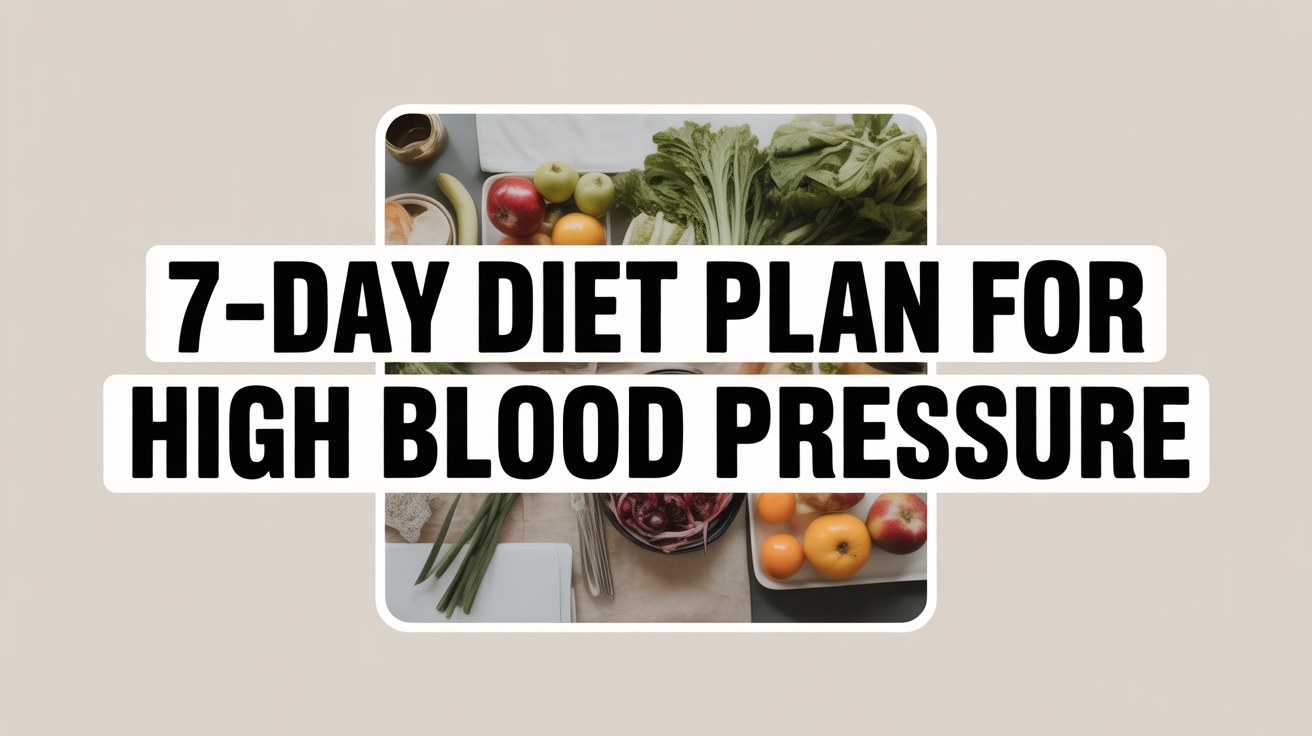
The 7-day DASH meal plan is a dietary framework based on the scientifically proven Dietary Approaches to Stop Hypertension protocol developed by the National Heart, Lung, and Blood Institute in the early 1990s. This evidence-based eating approach targets blood pressure reduction through whole foods and controlled sodium intake. U.S. News & World Report ranked it the #1 Best Heart-Healthy Diet and Best Diet for High Blood Pressure in 2025.
Blood pressure levels lower within two weeks of starting the DASH plan, making it one of the fastest dietary interventions for hypertension management. The plan supports weight management by emphasizing nutrient-dense, high-fiber foods that promote satiety and reduce calorie intake. The DASH diet enhances mineral intake, providing rich sources of potassium, magnesium, and calcium critical for cardiovascular function. Daily meal structure includes breakfast, lunch, dinner, and snacks to maintain consistent energy and prevent hunger between meals.
The DASH diet incorporates vegetables, fruits, whole grains, low-fat dairy, lean meats, fish, poultry, beans, nuts, and seeds as its core food groups. High blood pressure management directly prevents cardiovascular disease by reducing the risk of heart attack, stroke, and coronary heart disease by 20%. This comprehensive guide reveals exactly what to eat, how to prepare meals, and why experts trust this scientifically validated approach to transform your cardiovascular health in just one week.
What Results Can You Expect From This 7-Day Plan?
Blood pressure levels lower within two weeks of starting the DASH plan, making it one of the fastest dietary interventions for hypertension management. In fact, research confirms that DASH diet adherence produces measurable cardiovascular improvements in a remarkably short timeframe. Many individuals experience noticeable changes in their blood pressure readings after just fourteen days of consistent adherence.
But here’s the best part: the 7-day DASH plan reduces cardiovascular disease risk by 20 percent. This protective effect extends across multiple conditions, including heart attack, stroke, and coronary heart disease. Such substantial risk reduction positions the DASH approach as a clinically validated strategy for long-term heart health and disease prevention.
What’s more, DASH eating patterns reduce both total cholesterol and LDL cholesterol levels simultaneously. Lowering LDL (bad cholesterol) directly decreases arterial plaque buildup and inflammation. Combined with blood pressure reduction, this dual effect creates comprehensive cardiovascular protection through dietary modification alone.
How Much Weight Will You Lose?
The DASH diet supports weight management by emphasizing nutrient-dense foods high in fiber that promote satiety while reducing calorie intake. This dietary framework focuses on whole grains, fruits, vegetables, and lean proteins. The emphasis on nutrient density means fewer empty calories and more sustained energy throughout the day.
Here’s why that matters: high-fiber DASH foods increase fullness and reduce overall calorie consumption. Fiber expands in the digestive tract, signaling the brain that satiety has been reached. This mechanism allows you to eat smaller portions without experiencing constant hunger.
The 7-day meal plan ranges from 1,200 to 2,600 calories per day depending on individual needs. Is this enough to lose weight? Absolutely. Lower caloric intakes support faster initial weight loss, while higher intakes promote gradual, sustainable results. Personalized caloric targets ensure adherence and long-term success with the DASH approach.
Can This Plan Lower Your Blood Pressure?
The DASH diet reduces systolic blood pressure by 5.2 mmHg (millimeters of mercury) according to a meta-analysis of 31 controlled trials. This evidence-based eating pattern emphasizes fruits, vegetables, whole grains, lean proteins, and low-fat dairy products. The systolic reading, or top number in blood pressure measurements, represents the force exerted when your heart beats.
At the same time, the DASH diet also decreases diastolic blood pressure by 2.6 mmHg, as documented in research published in the Nutrients journal. The diastolic measurement, or bottom number, reflects the pressure between heartbeats when your heart rests. Combined systolic and diastolic improvements create meaningful cardiovascular benefits.
But does cutting sodium really make a difference? Surprisingly, yes. Sodium restriction enhances the DASH diet’s blood pressure control effects significantly. Limiting sodium to 1,500 mg daily instead of 2,300 mg produces greater pressure decreases, particularly in individuals with hypertension. This dietary modification amplifies the plan’s overall effectiveness.
Now, watch this: blood pressure reduction occurs within two weeks of starting the DASH diet plan. This rapid response demonstrates that dietary changes trigger swift physiological adaptations. Early results motivate continued adherence to the program.
What Health Benefits Come With the DASH Diet?
The DASH diet enhances mineral intake by providing rich sources of potassium, magnesium, and calcium, all of which play critical roles in lowering and maintaining healthy blood pressure. These minerals work synergistically to regulate vascular function and reduce hypertension risk. The dietary pattern makes achieving adequate mineral consumption straightforward through whole foods rather than supplements.
In fact, the DASH eating pattern supports cardiovascular health by protecting blood vessels and reducing atherosclerotic plaque buildup risk. Arterial walls benefit from the nutrient density this approach provides. Protection against heart disease extends beyond blood pressure management to include structural vascular integrity.
But that’s not all. DASH diet adherence improves blood sugar levels, cholesterol profiles, and supports healthy weight management. These metabolic benefits extend well beyond blood pressure control alone. The comprehensive metabolic improvements make this eating pattern effective for multiple chronic disease risk factors simultaneously.
What’s more, DASH diet nutrients provide gut-friendly fiber, cancer-fighting flavonoids, antioxidants, vitamins, and minerals for overall wellness. Intestinal health improves through consistent fiber intake from whole grains, fruits, and vegetables. The phytonutrient diversity protects cells from oxidative damage while supporting long-term disease prevention strategies.
What Is This 7-Day Meal Plan?
The 7-day DASH meal plan is a dietary framework based on the Dietary Approaches to Stop Hypertension (DASH) protocol, a scientifically proven eating plan designed to lower blood pressure. This flexible, balanced approach emphasizes whole foods and controlled sodium intake. Millions of individuals have adopted DASH principles to improve cardiovascular health and manage hypertension effectively.
The DASH plan structure prioritizes vegetables, fruits, whole grains, low-fat dairy products, and lean proteins as foundational food groups. Additional emphasis falls on beans, nuts, and seeds for plant-based nutrition. At the same time, the plan restricts sodium, saturated fat, and added sugars to support heart health and blood pressure regulation.
Here is why that matters: U.S. News & World Report recognized this eating approach as the #1 Best Heart-Healthy Diet and Best Diet for High Blood Pressure in 2025. Expert validation confirms DASH’s effectiveness for cardiovascular disease prevention. This endorsement reflects decades of clinical research supporting the plan’s health outcomes.
How Is the Plan Structured Day-to-Day?
The daily meal structure includes breakfast, lunch, dinner, and snacks throughout each day to maintain consistent energy and prevent hunger between meals. This frequent eating pattern stabilizes blood sugar levels and supports sustained metabolic function. The approach prevents overeating by addressing appetite before it intensifies.
For example, the 7-day plan progression features different meals each day such as Raspberry-Vanilla Overnight Oats, Quick Chicken Fajitas, Baked Falafel, and Creamy Lemon Pasta with Shrimp. Meal variety prevents dietary monotony and ensures diverse nutrient intake. This rotation strategy maintains adherence across the entire week.
But does this mean you can’t make substitutions? Not at all. Meal plan flexibility allows adaptation without compromising results, as long as proper balance of food groups is maintained across meals. You can substitute ingredients based on preference and availability. The emphasis remains on nutritional balance rather than rigid food prescriptions.
Each day stays at or below 2,300 milligrams (2.3 grams) of sodium, with enhanced plans targeting 1,500 milligrams (1.5 grams) for greater blood pressure reduction. Consistent daily sodium restriction supports cardiovascular health. This standardized approach simplifies meal planning while delivering measurable health benefits.
What’s the Purpose Behind High Blood Pressure Management?
High blood pressure management directly prevents cardiovascular disease by reducing the risk of heart attack, stroke, and coronary heart disease by 20% when following the DASH eating pattern. Effective blood pressure control addresses the root cause of life-threatening conditions. Medical professionals emphasize that managing hypertension early prevents irreversible damage to the cardiovascular system.
Here is the reason: blood pressure control protects blood vessels from damage and reduces atherosclerotic plaque buildup that can lead to serious cardiovascular events. The endothelial lining of arteries remains healthier when pressure levels stay within normal ranges. This vascular protection mechanism prevents blockages that would otherwise trigger heart attacks or strokes.
Hypertension management combines dietary changes with increased physical activity, stress management, and medication when prescribed for comprehensive control. The DASH diet reduces sodium intake while increasing potassium and calcium consumption. Physical activity strengthens the heart muscle while medications address any remaining pressure elevation that lifestyle modifications cannot fully control.
What Foods and Meals Are Included?
The DASH diet incorporates vegetables, fruits, whole grains, low-fat dairy, lean meats, fish, poultry, beans, nuts, and seeds as its core food groups. This comprehensive approach to nutrition emphasizes naturally nutrient-dense foods that support heart health and sustained energy levels. The diet’s structure allows flexibility while maintaining focus on whole, unprocessed ingredients that deliver vitamins, minerals, and fiber.
DASH breakfast options provide sustained energy through nutrient-rich combinations. For example, Oatmeal with raisins and banana, Bircher muesli, Raspberry-Vanilla Overnight Oats with walnuts, and Pineapple Green Smoothies deliver whole grains, fruits, and healthy fats. These morning meals establish a strong nutritional foundation for the day.
Lunch selections on the DASH meal plan emphasize vegetables and lean proteins for sustained satiety. The Cucumber Sandwich with Cotija, Lentil Salad with Feta and Tomatoes, spinach salad with pear and chicken, and Black Bean Sweet Potato Burritos combine complex carbohydrates with essential nutrients. Each option balances fiber, protein, and micronutrients effectively.
Dinner entrées showcase diverse preparation methods and protein sources aligned with DASH principles. Grilled Salmon with Lemon-Garlic Vinaigrette, Baked Falafel, Pork Tenderloin with Tomato-Shallot Confit, and Vegetarian Tacos with Zucchini demonstrate how to incorporate omega-3 fatty acids, plant-based proteins, and whole vegetables. These evening meals satisfy dietary goals while providing flavor and satisfaction.
What Are the Daily Meal Components?
Daily grain servings should total 6-8 portions to meet nutritional requirements for sustained energy and fiber intake. One serving equals 1/2 cup cooked cereal, rice or pasta, 1 slice bread, or 1 ounce dry cereal. Whole grains provide essential B vitamins, minerals, and dietary fiber that support digestive health and metabolic function.
Vegetable intake should reach 4-5 servings daily to maximize micronutrient absorption and disease prevention. One serving consists of 1 cup raw leafy greens or 1/2 cup cut-up vegetables. The variety of vegetables ensures comprehensive nutrient coverage across different food groups.
Fruit consumption targets 4-5 servings per day for vitamin C, potassium, and antioxidant benefits. One serving equals one medium fruit, 1/2 cup fresh or frozen fruit, or 1/2 cup fruit juice. These portions deliver natural sugars, fiber, and phytonutrients essential for cellular health.
Dairy product intake requires 2-3 servings of fat-free or low-fat options daily for bone health and calcium absorption. One serving equals 1 cup milk or yogurt, or 1.5 ounces cheese. These servings provide essential minerals that strengthen skeletal structure and support muscular function.
Protein portions should not exceed six 1-ounce servings daily of lean meats, poultry, fish, or eggs. This quantity supplies amino acids for muscle repair and tissue maintenance. Lean protein sources minimize saturated fat intake while maximizing nutritional density per portion.
What Ingredients Make Up Sample Meals?
A nutritious breakfast oatmeal combines 1 cup unsalted oatmeal with 1/4 cup raisins, 1 medium banana, and 1 cup fat-free milk. This combination provides complex carbohydrates, natural sweetness, and protein to sustain energy throughout the morning. The banana adds potassium and digestive fiber, while fat-free milk contributes calcium for bone health.
A spinach salad incorporates 3 cups fresh spinach, 1 sliced pear, 1/2 cup mandarin oranges, 1 tablespoon red wine vinegar, 1 tablespoon olive oil, 1 ounce goat cheese, and 3 ounces cooked chicken. Fresh greens deliver vitamins and antioxidants. The fruit adds natural sweetness and vitamin C, while lean protein supports muscle maintenance and satiety.
Vegetarian pasta dinner uses 1.5 cups whole-wheat pasta with 1/2 cup marinara sauce, 1 cup summer squash, and 1/2 cup frozen spinach. Whole-wheat pasta provides sustained energy and dietary fiber. Added vegetables increase nutrient density and create volume without excess calories.
Healthy snack options include 1/3 cup unsalted almonds, 1/4 cup raisins, plain roasted chickpeas, or baked pineapple over Greek yogurt. Nuts and legumes deliver plant-based protein and healthy fats. These portable choices curb hunger between meals and stabilize blood sugar throughout the day.
How Is the Nutrition Balanced in This Plan?
The DASH diet distributes approximately 2,062 calories daily across macronutrients with 63g total fat (28% of calories), 284g carbohydrate, and 114g protein. This balanced macronutrient composition supports sustained energy and metabolic function while maintaining caloric intake appropriate for most adults.
Essential minerals form a cornerstone of the DASH plan’s cardiovascular benefits. The diet provides 1,220mg calcium, 594mg magnesium, and 4,909mg potassium daily. These minerals work synergistically to regulate blood pressure and support optimal heart function.
Here is the kicker: dietary fiber reaches 37g per day on this plan, exceeding most national recommendations. The substantial fiber intake promotes satiety between meals, enhances digestive health, and strengthens cardiovascular protection through cholesterol management.
Fat quality receives deliberate attention in DASH nutrition planning. Saturated fat is limited to 13g daily (6% of calories) while the plan emphasizes healthy unsaturated fats from nuts, seeds, and plant-based oils. This strategic fat composition reduces cardiovascular disease risk.
Sodium restriction remains a critical component of blood pressure management. The DASH approach maintains daily sodium at 2,101mg or less, aligning with American Heart Association recommendations. This controlled sodium intake directly supports hypertension prevention and cardiovascular health.
How Do You Prepare and Cook These Meals?
DASH meal preparation emphasizes cooking more meals at home to limit salt intake and control ingredients directly. Home cooking allows you to avoid high-sodium restaurant and processed foods that undermine DASH dietary goals. This approach gives complete control over sodium content and ingredient quality.
The DASH cooking approach relies on salt reduction as a core strategy. You should select unsalted ingredients and avoid adding table salt during cooking or at the table. This practice eliminates unnecessary sodium while allowing natural flavors to develop through herbs, spices, and other seasonings.
Meal preparation planning through batch cooking delivers significant benefits for DASH adherence. Preparing meals in advance maintains consistency with the plan and reduces temptation for high-sodium convenience foods. The practice transforms busy schedules into an advantage for sustained dietary success.
What Are the Best Meal Prep Techniques?
Overnight oats preparation represents an advance breakfast method that saves morning time while allowing flavors to meld. Raspberry-Vanilla Overnight Oats can be assembled the night before in a container. The oats absorb liquid overnight and develop enhanced taste. This technique eliminates the need for hot breakfast cooking each morning.
Batch cooking proteins involves preparing larger portions of chicken, salmon, or meatloaf at once. Cook these proteins in bulk during a single session. The prepared proteins distribute across multiple meals throughout the week. This approach reduces daily cooking time significantly.
Vegetable prep strategy focuses on produce preparation done in advance. Wash and chop vegetables like broccoli, carrots, and peppers ahead of time. Store cut vegetables in sealed containers in the refrigerator. Quick assembly into salads, stir-fries, and side dishes becomes possible without additional prep work.
Grain cooking efficiency requires preparing whole grains in large batches. Cook quinoa, brown rice, or whole-wheat pasta in substantial quantities during meal prep. Portion cooled grains into containers and refrigerate them. Multiple meals throughout the week can incorporate these precooked grains.
Which Cooking Methods Work Best?
Grilling preserves nutrients while cooking protein and vegetables without excess sodium or fat. Grilled salmon and vegetables paired with lemon-garlic vinaigrette deliver optimal flavor through natural acidity. This technique locks in moisture while allowing excess fat to drain away from food surfaces.
Baking eliminates the need for added oils while maintaining moisture and natural flavors in dishes. Baked falafel and baked pineapple demonstrate how dry heat creates crispy textures without compromising nutritional content. The oven environment allows foods to cook evenly through circulating heat rather than oil absorption.
Skillet cooking in minimal oil creates complete, balanced meals in a single pan with efficiency. Chicken, mushroom, and spinach skillet casserole combines proteins, vegetables, and grains without requiring multiple cooking vessels. One-pan preparation simplifies cleanup while controlling total fat content throughout meal preparation.
Flavor enhancement relies on sodium-free seasonings that transform dishes through natural ingredients and acids. Olive oil, red wine vinegar, fresh garlic, herbs, citrus, and chili flakes create tangy, complex flavors without salt. These seasonings activate taste receptors and reduce dependence on sodium for culinary satisfaction.
How Do You Follow This Plan Successfully?
DASH diet initiation begins with a standard 2,300mg sodium limit, which provides an accessible entry point before transitioning to a more restrictive 1,500mg sodium level for enhanced blood pressure reduction. This gradual approach allows your body to adapt to dietary changes while building sustainable habits that support long-term cardiovascular health.
Meal plan adherence depends on following a structured daily pattern that includes breakfast, lunch, dinner, and snacks. This organized eating schedule prevents hunger spikes and maintains consistent nutritional balance throughout the day. Regular meal timing supports stable energy levels and reduces cravings.
Restaurant dining requires strategic choices to minimize sodium exposure. Commercial chefs frequently overuse salt in their preparations, so request no salt and ask for sauces served on the side. This approach gives you direct control over sodium intake while dining out.
What’s the Best Way to Start?
The DASH diet transition works best through gradual implementation of dietary changes rather than abrupt elimination. Start by incorporating more vegetables, fruits, and whole grains into your current meals. Simultaneously reduce sodium and processed foods at a manageable pace. This approach builds sustainable eating habits that persist long-term.
Determine your calorie needs before beginning the DASH diet plan. Talk to a healthcare professional or registered dietitian about your specific calorie goals. These experts help establish appropriate serving sizes within the 1,200 to 2,600 calories daily range suited to your individual health profile.
Follow a complete 7-day meal plan during your first week on the DASH diet. Pre-designed menus teach proper portions and food combinations before you create your own meals. The structured approach removes guesswork and builds confidence in meal preparation.
Read nutrition labels carefully when shopping for DASH diet ingredients. Select snacks with 200 milligrams (mg) of sodium or less per serving. Choose prepared meals containing 600 mg (0.6 grams) of sodium or less. This label awareness ensures your grocery selections align with DASH sodium reduction goals.
How Should You Time Your Meals and Portions?
Distribute food intake across breakfast, lunch, dinner, and snacks throughout the day to maintain steady energy and prevent overeating. Meal frequency directly impacts metabolic function and appetite regulation. Spacing meals evenly prevents energy crashes and reduces the likelihood of consuming excessive calories at single seatings.
Portion control requires specific serving measurements to maintain nutritional balance. Use 1 cup leafy greens, 1/2 cup (120 milliliters) cooked grains, and 1 ounce (28 grams) protein as baseline portions. These standardized measurements align with daily food group targets and prevent caloric excess.
Caloric distribution across meals creates metabolic stability based on a 2,000 calorie daily target or a personalized amount determined with your healthcare provider. Balance breakfast, lunch, and dinner to prevent energy depletion and excessive hunger. Consistent caloric intake supports sustained weight management and physical performance.
Planned snacks maintain satiety and stabilize blood sugar throughout the day. Options like 1/3 cup (80 milliliters) nuts or 1/4 cup (40 grams) raisins provide sustained energy between meals. Strategic snacking prevents overeating at main meals and supports consistent nutrient delivery to the body.
What Are the Top Meal-Prep Tips?
Weekly planning using DASH-friendly recipes ensures proper food group servings and eliminates last-minute high-sodium choices. Organizing all meals in advance creates a structured framework for the entire week. This deliberate approach prevents impulsive dietary decisions that compromise sodium intake goals.
Produce handling forms a critical step in meal preparation success. Washing, chopping, and portioning vegetables and fruits immediately after shopping removes barriers to healthy meal assembly. Fresh ingredients that are already prepared encourage consistent consumption throughout the week.
Portion-controlled containers establish a systematic approach to meal distribution. Pre-packaging meals and snacks in these containers ensures consistent serving sizes across all days. The visual clarity of prepared portions supports adherence to DASH dietary guidelines and reduces portion distortion.
Leftover utilization maximizes nutritional value and reduces food waste. Meals like Chicken, Mushroom & Spinach Skillet Casserole deliver multiple servings across different days. Strategic recipe selection allows one cooking session to provide balanced meals for several days.
Why Do Experts Trust This Plan?
The DASH diet gains credibility from rigorous institutional backing by the National Heart, Lung, and Blood Institute (NHLBI) at the National Institutes of Health (NIH). Decades of peer-reviewed research validate this eating approach. The NHLBI’s development and ongoing support establish the DASH diet as an evidence-based nutritional strategy with proven cardiovascular benefits.
Professional recognition reinforces the DASH diet’s legitimacy among nutrition experts. U.S. News & World Report ranked the plan #1 Best Heart-Healthy Diet in 2025. The diet also secured the Best Diet for High Blood Pressure ranking and earned 14 top-tier positions across dietary categories. This consistent recognition reflects expert consensus about the plan’s effectiveness.
The American Heart Association endorses the DASH diet as part of its cardiovascular health guidelines. Health organizations align this eating plan with their blood pressure management protocols. Medical professionals recommend it because clinical evidence supports its role in preventing heart disease and hypertension complications.
What’s the Scientific Basis for These Recommendations?
The DASH diet emerged from rigorous clinical trials conducted at the National Heart, Lung, and Blood Institute during the early 1990s. Researchers specifically designed these studies to identify dietary interventions that could stop hypertension. The evidence from this foundational work established DASH as a science-backed approach to managing blood pressure through food choices.
A 2019 meta-analysis published in the Nutrients journal synthesized findings from 7 meta-analyses, 15 observational studies, and 31 controlled trials. The comprehensive review confirmed DASH diet effectiveness across diverse populations. This broad evidence base demonstrates consistent benefits when individuals follow the dietary framework.
The DASH-Sodium study represents a pivotal randomized controlled trial involving 3,300 participants. Researchers tested three sodium intake levels: 3,300mg, 2,300mg, and 1,500mg daily. Results proved that lower sodium consumption significantly enhanced blood pressure reduction beyond the diet alone.
Decades of research support the DASH approach, mirroring the validation trajectory of the Mediterranean diet. Both dietary patterns demonstrate sustained benefits for hypertension management, cardiovascular health, and weight management across multiple long-term studies. The extended research timeline strengthens confidence in DASH’s protective effects.
Who Created This Plan and Why?
Researchers at the National Heart, Lung, and Blood Institute (NHLBI) in the United States created the DASH diet during the early 1990s. The institute developed this dietary framework through rigorous scientific research aimed at addressing one of America’s most pressing health challenges. The NHLBI’s work established the foundation for a nutrition-based approach to managing cardiovascular health.
The primary objective behind DASH diet creation was to treat and prevent high blood pressure through dietary modifications rather than relying solely on medication. Healthcare professionals recognized that nutritional interventions could effectively lower blood pressure when combined with or instead of pharmaceutical treatments. This dietary approach offered patients a proactive, natural method for managing hypertension.
Scientists developed the DASH diet to address hypertension using evidence-based nutrition principles. The approach provides an alternative treatment pathway for individuals seeking to complement or reduce dependence on blood pressure medications. This research-driven strategy shifted focus toward prevention and natural dietary management of cardiovascular disease.
Healthcare professionals continue to study and validate the DASH diet across multiple decades of research updates. The diet remains relevant and supported by contemporary scientific literature. Ongoing validation confirms its effectiveness as a long-term dietary intervention for hypertension management and heart health.
Get Your Free Personalized DASH Plan from Optimal Weight Plan
You now have the science-backed blueprint to transform your cardiovascular health in just 7 days. But here’s the thing: knowing the plan is only half the battle. The real challenge? Staying consistent, adapting meals to your preferences, and getting expert support when you hit obstacles.
That’s where your Independent OPTAVIA Coaches at Optimal Weight Plan come in. We don’t just hand you a meal plan and wish you luck. Our coaches provide personalized guidance, accountability check-ins, and meal customization strategies that make the DASH approach work for your real life, not just on paper.
Stop guessing your way through another diet. Join our mailing list now and get instant access to your personalized DASH meal planning toolkit, weekly recipe updates, and exclusive coaching tips you won’t find anywhere else. Your heart health transformation starts the moment you click that button.
Don’t wait another week to take control of your blood pressure. Get your free resources now.