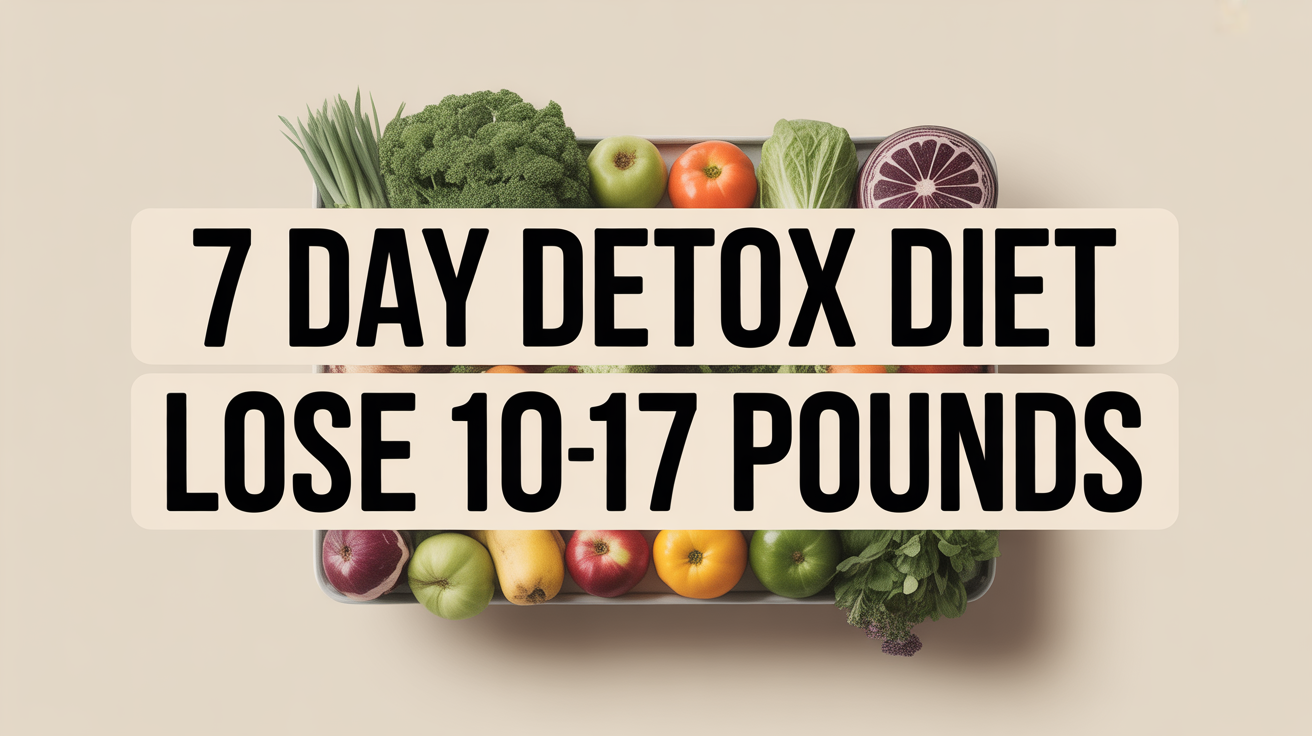
A 7-day detox diet is a short-term eating plan designed to eliminate body toxins and promote rapid weight loss through restrictive whole-food consumption. These protocols claim dramatic results—10 to 17 pounds in one week—attracting millions seeking quick transformation before surgery or special events.
Rapid weight loss from detox diets primarily reflects water loss rather than fat reduction. Individual outcomes vary based on body composition, metabolic rate, and adherence to protocol strictness. The human body detoxifies itself through specialized organs without external intervention. Detox diets create weight loss by maintaining a calorie deficit. Long-term weight maintenance requires continued adherence to healthy lifestyle patterns. Seven-day protocols follow a progressive framework building intensity through clean eating, fasting phases, and systematic food reintroduction.
This approach emphasizes real food, hydration, and self-care rather than harsh cleanses or extreme restriction. The plan includes vegetables, fruits, proteins, healthy fats, and whole grains with structured meal timing. You’ll discover how calorie deficits drive fat loss, what foods support natural detoxification, and how to implement each day’s protocol for sustainable results beyond the initial week.
Can You Really Lose 10-17 Pounds in 7 Days?
Seven-day detox diets claim to produce dramatic weight loss of 10 to 17 pounds in a single week, a program allegedly created by Sacred Heart medical center for pre-surgery obesity management. These rapid-loss protocols attract millions seeking quick results. The premise appears scientifically credible on the surface, but the actual mechanism behind such claims requires careful examination.
Here’s the reality: rapid weight loss from restrictive detox diets consists primarily of water weight rather than fat loss. The body sheds fluid through reduced carbohydrate intake and caloric restriction. Once the diet ends, the body rapidly reabsorbs water, causing weight regain within days. This cycle explains why such results prove unsustainable long-term.
Detox diet effectiveness varies significantly depending on structure and formulation. Some protocols produce measurable results while others fail entirely. The variability stems from differences in caloric deficit, nutrient composition, and individual metabolic factors. In other words, not all restrictive diets deliver equivalent outcomes.
What Results Should You Expect?
A 7-day detox diet typically produces weight loss ranging from 3 to 8 kilograms (6.6 to 17.6 pounds), though individual outcomes vary significantly based on body composition and diet adherence. Results depend on starting weight, metabolic rate, and how strictly you follow the detox protocol. This means your personal commitment directly influences the final outcome.
Initial weight loss during the first week stems primarily from reduced bloating and water retention rather than actual fat loss. The body sheds excess fluid as inflammation decreases and sodium intake drops. This immediate reduction in scale weight provides motivation for longer-term dietary changes.
Most participants report multiple positive changes after seven days, including better digestion, clearer skin, reduced bloating, improved mood, and increased energy levels. These benefits extend beyond weight loss metrics. In fact, the physical and mental improvements often serve as a jumpstart for adopting healthier long-term dietary habits.
How Effective Is a 7-Day Detox Plan?
Detox diets are believed to promote quick weight loss by helping flush toxic chemicals and increasing metabolism, which increases calories burned even at rest. Proponents claim this metabolic boost triggers rapid fat reduction. However, scientific evidence supporting these claims remains limited and contested among nutrition experts.
Experts agree that while you may lose a few pounds, this represents an unsustainable fad diet with limited daily food intake. Nutrient imbalances often result from severely restricted eating patterns, and the weight loss typically regains once normal eating resumes.
That said, a 7-day detox helps develop healthier eating habits that can eventually cause weight loss over time. Cutting out foods your body struggles to digest may help lessen bloating, gas, and constipation. These digestive improvements often motivate continued healthy food choices beyond the seven-day period.
Here’s the key point: weight lost in a detox diet will be maintained only if you continue to follow a healthy lifestyle and diet plan after the 7 days end. Short-term restriction alone does not create lasting results. Long-term dietary adherence determines whether initial weight loss becomes permanent change.
What Is a Detox Diet?
A detox diet is a popular plan designed to eliminate toxins from the body while promoting weight loss through restrictive eating patterns and special food combinations. These programs claim to cleanse the system and reset metabolism. Detox diets vary widely in their specific protocols and duration.
Detox plans emphasize whole foods as their nutritional foundation. These programs eliminate processed foods, sugary drinks, excessive salt, and refined sugar from the diet. The food philosophy prioritizes vegetables, fruits, and hydration. Advocates believe this approach supports the body’s natural detoxification processes.
But here’s the challenge: the restrictive nature of detox diets presents significant obstacles for long-term adherence. Many detox programs exclude entire food groups, which may trigger overindulgence once the diet concludes. The overly restrictive structure also increases the risk of malnutrition and nutrient deficiencies during the restriction phase.
How Does Detoxification Work?
The human body detoxifies itself through specialized organs designed to eliminate toxins and waste products. The liver, kidneys, skin, lungs, and gastrointestinal system work together to filter and expel harmful substances. These organs function automatically without external intervention or special detox products.
The detoxification process operates under the body’s complete control, not external factors. You cannot override elimination systems through supplements or cleanses. That said, a healthy diet reduces the burden on these organs by minimizing unnecessary chemical exposure and supporting optimal function.
This is where detox diets can help: they support natural detoxification by providing nutrient-dense foods and adequate hydration. These dietary approaches energize the body and reset unhealthy eating patterns. Proper nutrition strengthens the organs responsible for filtration and elimination.
What Foods Should You Eat?
A detox diet focuses on whole, nutrient-dense foods that support the body’s natural cleansing processes. Fresh vegetables and fruits, mushrooms, beans, legumes, seeds, nuts, healthy grains, and olive oil form the foundation of detox nutrition. These foods provide essential vitamins, minerals, and fiber necessary for optimal digestive and metabolic function throughout the detox week.
Hydration plays a critical role in flushing toxins from the body. Water remains the primary beverage, supplemented with herbal teas, green tea, fresh coconut water, detox broth, and smoothies containing spinach and kale. Diluted fruit and vegetable juices add nutritional variety. Consuming these liquids consistently throughout the day supports kidney and liver function.
Processed foods, refined sugars, and artificial additives obstruct detoxification pathways. For this reason, eliminate white sugar, brown sugar, high-fructose corn syrup, artificial sweeteners, alcohol, tobacco, caffeine, chocolate, dairy, wheat, and eggs during the detox week. Removing these substances prevents inflammatory responses and allows the digestive system to reset.
Protein intake maintains muscle mass and metabolic stability during detox. Grilled fish, salmon, tuna, tofu, and tempeh deliver complete amino acids without excess processing. Lentils and chickpeas provide plant-based protein with additional fiber. Whey protein powder offers an optional supplement for those requiring additional protein support.
How Does the Detox Diet Create Weight Loss?
The detox diet creates weight loss by maintaining a calorie deficit where you consume fewer calories than your body burns. This energy imbalance forces the body to access stored fat reserves for fuel. Consistent calorie restriction over time triggers measurable fat loss and sustainable weight reduction.
Detox meal plans are designed around specific calorie levels like 1,200, 1,500, or 2,000 calories per day. These targets are strategically balanced to provide adequate energy while maintaining the deficit needed for weight loss. The structured approach helps you feel energized throughout the day while losing weight consistently.
The diet features high protein and high fiber foods, a combination that research shows supports weight loss effectively. Why does this matter? These foods keep you feeling fuller for longer periods. The satiety effect reduces overall food consumption and helps maintain the calorie deficit without constant hunger.
What’s the Science Behind the Calorie Deficit?
A calorie deficit drives fat loss because one pound of body fat contains 3,500 calories (15,876 kilojoules), requiring a 500-calorie daily reduction to lose one pound weekly. This mathematical relationship forms the foundation of weight loss science. Consistent energy deficit maintenance triggers the body’s fat mobilization process.
The average woman requires approximately 2,000 calories daily, while men need about 2,500 calories (10,460 and 10,460 kilojoules respectively) to maintain baseline bodily functions. Detox and weight loss plans align with these caloric baselines. Reducing intake below these thresholds creates the necessary deficit for fat loss.
A daily 500-calorie deficit produces measurable results over time, yielding approximately 1 pound of weight loss per week. This rate compounds significantly. In fact, three months of consistent deficit maintenance generates roughly 12 pounds of total fat loss through sustained caloric reduction.
How Do You Maintain Steady Weight Loss?
Long-term weight maintenance requires continued adherence to a healthy lifestyle and diet plan rather than returning to previous eating patterns after completing a detox program. Successful weight loss depends on sustaining the behavioral changes that produced initial results. The transition from active weight loss to maintenance demands consistent dietary discipline and lifestyle habits.
Sustainable approaches rely on habit formation to maintain results and prevent rapid weight regain after completing a 7-day detox. The new healthy routine must become integrated into daily life. Consistency in food choices and physical activity prevents the body from reverting to former patterns.
Steady weight loss occurs at a recommended pace of 1 to 2 pounds per week (0.45 to 0.9 kilograms), which a 1,500-calorie daily intake supports. This moderate rate promotes long-term success because rapid weight loss often leads to muscle loss and metabolic dysfunction. The sustainable pace allows the body to adjust without triggering compensatory hunger responses.
Metabolic adaptation presents a post-diet challenge where the body burns fewer calories after restrictive dieting ends. Why does this happen? Restrictive diets train the metabolism to conserve energy. Weight maintenance becomes more difficult when the body has adapted to caloric restriction, requiring strategic calorie increases and ongoing physical activity.
Is a 7-Day Detox Diet Safe?
A 7-day detox diet based on whole foods is generally safe for most people, though individuals with diabetes, kidney disease, or other medical conditions must consult a doctor before beginning. The program’s whole-food foundation makes it suitable for healthy adults. Medical clearance protects those with pre-existing health conditions from potential complications.
Sensitive, ill, weak, and thin people should modify or skip the fasting day entirely. Day 4 requires adjustment for these populations. Substituting juice and broth for solid foods allows participation without compromising health status or energy levels.
Light to moderate movement during the detox accelerates toxin elimination through the body’s systems. Fasting days demand rest and minimal exercise to preserve energy. Sauna use is prohibited on fasting days to prevent dehydration and excessive stress.
What Makes This Approach Sustainable?
This approach emphasizes real food, hydration, rest, and self-care rather than harsh cleanses or extreme restriction, making it more sustainable as a reset practice. The foundation rests on practical lifestyle adjustments instead of deprivation. Real food nourishes the body while allowing sustainable habits to develop over time.
The plan includes vegetables, fruits, proteins, healthy fats, and whole grains, ensuring balanced meals that provide essential nutrients without severe deprivation. Nutrient adequacy prevents deficiency and energy crashes during the reset period. This comprehensive nutrition approach supports sustained motivation and physical performance throughout the seven days.
Here’s the best part: the seven-day timeframe is short-term and designed to reboot your system without requiring long-term adherence. After the reset completes, cheat meals can be enjoyed in moderation without guilt. This temporary commitment structure makes the detox psychologically manageable and prevents burnout from restrictive dieting.
How Often Should You Eat Daily?
Optimal daily eating frequency includes three main meals plus 1-2 snacks to maintain steady energy and prevent hunger. This structured approach combines breakfast, lunch, and dinner with strategic snacking throughout the day. The combination sustains metabolic function while keeping energy levels stable.
A structured meal pattern spaces eating occasions throughout the day for optimal metabolism. Morning meals begin the eating window, followed by mid-day snacks that bridge the gap to lunch. Afternoon snacks precede dinner, creating a consistent timing rhythm. This distribution prevents energy dips and metabolic slowdowns.
Portion control defines meal and snack sizes for caloric balance. Breakfast provides 300-400 calories (1,256-1,674 kilojoules) as the day’s foundation. Lunch and dinner each contain 400-450 calories (1,674-1,883 kilojoules) to sustain afternoon and evening activity. Snacks measure 100-180 calories (419-753 kilojoules) to satisfy hunger without excess intake.
How Do You Follow the 7-Day Plan?
The 7-day detox structure follows a progressive framework that builds intensity through distinct phases over the week. Days 1-2 establish clean eating foundations. Days 3-4 intensify the process with fasting and light meals. Day 4 transitions to liquid-only consumption. Days 5-7 gradually reintroduce whole foods in measured increments.
Each day within the plan carries a specific therapeutic purpose aligned with body systems. Day 1 builds the foundation for dietary change. Day 2 targets anti-inflammatory responses. Day 3 focuses on gut health optimization. Day 4 supports liver function and detoxification. Day 5 restores energy and vitality. Days 6-7 complete the cleanse with gentle practices and reflective work.
Daily implementation requires consistent hydration, quality sleep, and gentle movement throughout the week. Drink 2.5 to 3 liters (0.66 to 0.79 gallons) of water daily to support toxin elimination. Practice light exercise such as walking or yoga to stimulate lymphatic drainage. Incorporate herbs into meals for additional therapeutic benefit. And maintain a journal to document physical sensations, emotional shifts, and personal insights gained during the process.
What’s the Daily Meal Structure?
Breakfast structure establishes the foundation for daily nutrition with calorie-controlled options ranging from 300–400 calories (1,256–1,674 kilojoules). Morning meals include warm lemon water paired with fruit bowls, oatmeal topped with berries and chia seeds, yogurt layered with flaxseeds, or baked banana-nut oatmeal cups. These breakfast options deliver sustained energy and essential nutrients to support metabolic function throughout the morning.
Lunch composition provides midday nourishment through balanced, nutrient-dense meals at 400–450 calories (1,674–1,883 kilojoules). Quinoa bowls with roasted vegetables, lentil soup with greens, chickpea salads, spinach salads with grilled protein, and vegetable wraps form the core options. Midday meals emphasize plant-based proteins and complex carbohydrates that stabilize blood sugar and maintain afternoon energy levels.
Dinner options deliver evening nutrition through protein-rich, whole-food preparations at 400–450 calories (1,674–1,883 kilojoules). Steamed salmon with broccoli and sweet potato, stir-fried tofu with kale and brown rice, zucchini noodles with pesto, and grilled fish with asparagus represent the available selections. These evening meals prioritize lean proteins and vegetables to support satiety and overnight recovery processes.
Snack choices bridge nutrient gaps with between-meal options at 100–180 calories (419–753 kilojoules). Greek yogurt with pomegranate seeds, almonds with dried figs, hard-boiled eggs with clementines, celery with peanut butter, cucumber with hummus, and green smoothies round out the snacking framework. Strategic snacking prevents excessive hunger and maintains steady energy between main meals.
How Do You Implement Each Day?
Days 1 and 2 mark the initial phase where you eliminate processed foods while focusing on whole foods like vegetables, fruits, and mushrooms. Olive oil, spices, filtered water, tea, and broth remain permitted during this phase. Light exercise complements the dietary shift, supporting the body’s transition to cleaner nutrition patterns.
Day 3 emphasizes gut health through probiotic-rich foods and plant-based proteins. Yogurt with flaxseeds, chickpea salads, and zucchini noodles provide beneficial bacteria and digestive support. Hydration continues as essential, with carrot sticks and guacamole serving as nutrient-dense snacks.
Day 4 implements a fasting protocol where solid foods are completely eliminated. Water, tea, juices, and broth become your only sustenance during this cleansing day. Minimal work and avoided exercise preserve energy, while sauna sessions are suspended and supplements are discontinued except for optional bowel cleansing aids.
Days 5 through 7 reintroduce foods systematically to rebuild digestive capacity. Mushrooms, beans, legumes, seeds, nuts, and healthy grains return gradually to meals. Herbs, supplements, and sauna therapy resume during this reintroduction phase, while journaling tracks physical and emotional responses to dietary changes.
Get Your Personalized Optimal Weight Plan Today
Ready to stop guessing and start seeing real results? Your personalized Optimal Weight Plan is waiting, designed by Independent OPTAVIA Coaches who understand sustainable transformation.
Don’t navigate this journey alone. Join thousands who’ve discovered the exact roadmap to long-term success. You’ll get custom meal strategies, accountability support, and proven protocols that work with your lifestyle, not against it.
Enter your email now and receive your complete guide instantly. This is the clarity you’ve been searching for, the plan that finally makes sense. Your transformation starts the moment you take action.