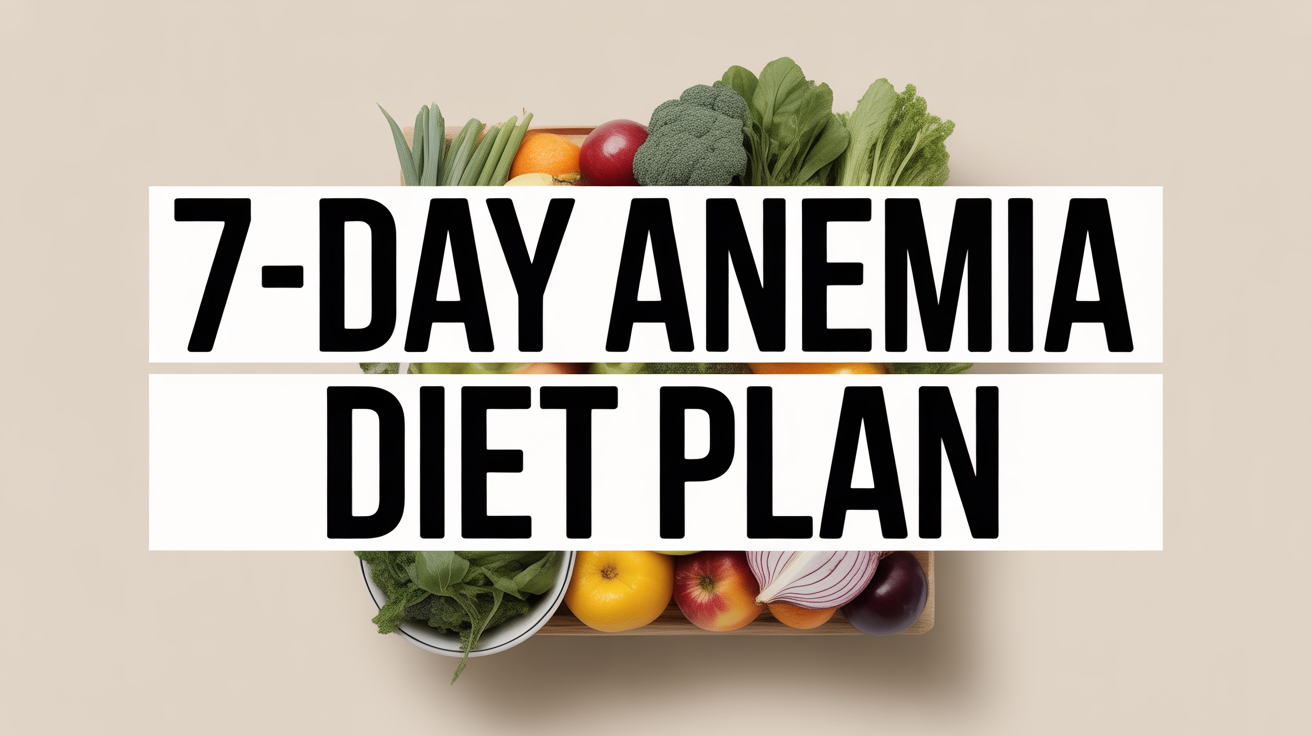
Anemia is a group of disorders characterized by low red blood cell counts that impair oxygen transport throughout the body. This condition affects millions globally, causing fatigue, weakness, and reduced quality of life. Proper nutrition forms a cornerstone of effective anemia management and recovery.
Diet alone cannot cure anemia, but structured meal plans deliver 18 milligrams of daily iron alongside vitamin B12 and folate to rebuild red blood cells. Hemoglobin improvement becomes visible within 2 to 4 weeks of consistent dietary adherence. Iron requires at least 18 milligrams daily for menstruating individuals aged 19 to 50. Vitamin C significantly enhances iron absorption from plant-based sources. Strategic meal timing prevents nutrient interference between iron and calcium.
This 7-day repeatable plan rotates heme iron from meat, plant-based sources with vitamin C enhancers, and seafood to activate multiple absorption pathways. Medical professionals emphasize combining dietary changes with supplements and other therapies tailored to your specific anemia type. You’ll discover exactly which foods maximize red blood cell production and how to implement this evidence-based strategy today.
Can Diet Alone Cure Anemia?
Diet alone cannot cure anemia, but it serves as a crucial component of your overall treatment strategy. In fact, medical professionals emphasize that diagnosis of the underlying cause determines the appropriate intervention. Treatment may combine dietary changes, supplements, and other medical therapies tailored to the specific anemia type.
Dietary intervention effectively manages anemia symptoms and restores energy levels when properly structured. This means nutritional support provides the complete nutrient profile necessary for healthy red blood cell production, addressing the metabolic demands that anemia creates within the body.
Strategic meal plans rich in iron, vitamin B12, and folate represent a comprehensive recovery framework. These nutrients work synergistically to rebuild vitality and combat fatigue, transforming simple food choices into targeted therapeutic nutrition.
What Results Should You Expect?
Hemoglobin improvement typically becomes visible within 2 to 4 weeks of consistent dietary adherence. But why does recovery take this long? Your body needs time to rebuild its iron stores and manufacture new red blood cells, a process that varies based on the severity of your deficiency and individual absorption capacity.
Iron level improvement requires time and consistency, even with a structured dietary approach. Track your energy levels and consult your doctor for blood tests after 4 weeks to measure progress. This monitoring provides objective evidence of whether your nutritional strategy succeeds.
Energy restoration emerges by focusing on iron, vitamin B12, and folate with smart food pairings to boost absorption. Your body receives the necessary tools to fight fatigue and regain vitality through this multifaceted nutritional approach that addresses the root causes of energy depletion.
How Effective Are Structured Meal Plans?
A 7-day meal plan provides at least 18 milligrams of iron per day, meeting the recommended dietary intake for people aged 19 to 50 years who experience menstrual cycles. Strategic design ensures the plan covers all iron sources while teaching sustainable eating patterns that support long-term nutritional health and dietary consistency.
The weekly cycle approach creates a repeatable framework that maximizes sustainability. This 7-day plan delivers a complete nutritional cycle covering all iron sources, with different absorption pathways preventing taste fatigue while maintaining consistent micronutrient delivery across the week.
Meal plan strategy optimizes absorption through targeted nutrient pairing. Days 1-2 prioritize heme iron for immediate impact, then emphasize plant iron with vitamin C enhancers. Days 3-4 introduce seafood and eggs for diversity, while Days 5-7 focus on sustainability with leafy greens and comfort foods.
What Is Anemia and Why Does Diet Matter?
Anemia is a group of disorders characterized by a low red blood cell count, not a single condition. Red blood cells function as oxygen couriers throughout the body. When their numbers decline, every physiological system experiences the consequences of reduced oxygen transport capacity.
Dietary intervention becomes essential once a healthcare provider identifies the specific type of anemia and its underlying causes. An action plan focuses on three key nutrients: iron, B12, and folate. These nutrients directly support red blood cell production and restore oxygen-carrying capacity.
Oxygen deficiency in the body triggers multiple symptoms that affect quality of life and daily function. Patients experience shortness of breath, tiredness, low energy, headaches, and dizziness. Additional signs include fast heartbeat and pica, an unusual craving for non-food items like ice or chalk.
How Does Nutrition Combat Anemia?
Nutrition combats anemia by supplying the essential nutrients your body needs to build healthy red blood cells. A consistent, thoughtful approach to diet provides iron, vitamin B12, and folate. These key nutrients restore vitality and enable your body to produce adequate red blood cells for optimal oxygen transport.
Iron-rich foods directly stimulate red blood cell production in individuals with anemia. Meat, eggs, fish, legumes, seeds, and nuts contain protein, iron, folate, and vitamin B12. These nutrient-dense sources address the deficiencies that cause low red blood cell counts and associated fatigue.
Smart food pairings enhance nutrient absorption and maximize anemia-fighting effectiveness. For example, combining iron-rich foods with vitamin C sources boosts the body’s ability to utilize these minerals. Strategic eating patterns accelerate energy restoration and reduce fatigue symptoms.
Is Anemia a Multi-Nutrient Deficiency?
Anemia often reflects multi-nutrient deficiency rather than a single nutritional gap, particularly iron-deficiency anemia. Treatment requires addressing iron, vitamin B12, and folate simultaneously. The optimal dietary approach incorporates foods rich in these three nutrients while including complementary foods that enhance iron absorption throughout the digestive system.
Anemia develops through multiple pathways, including pregnancy, blood loss, major surgery, kidney disease, heavy menstrual bleeding, and gastrointestinal diseases such as celiac disease, ulcerative colitis, or Crohn’s disease. Bariatric surgery and restrictive diets, particularly vegan or vegetarian eating patterns lacking sufficient iron sources, also trigger deficiency states. These diverse origins demonstrate that anemia rarely stems from a single cause.
A heart-healthy eating style provides comprehensive nutritional support for anemia management. The approach incorporates diverse fruits, vegetables, whole grains, and quality proteins including lean meats, poultry, fish, eggs, beans, tofu, and nuts. Low-fat dairy products complete this strategy. This multifaceted dietary framework addresses nutrient requirements while reducing cardiovascular complications.
Which Nutrients Do You Need?
Iron, vitamin B12, and folate are the primary nutrients needed to address iron-deficiency anemia. A comprehensive approach emphasizes sources of heme and non-heme iron, along with vitamin C-rich foods to enhance iron absorption. These three nutrients work together to restore healthy red blood cell production and oxygen transport throughout the body.
Nutrient synergy between vitamin C and iron maximizes absorption in the digestive system. The plan highlights this principle as foundational to an effective anemia diet. Foods to increase iron levels include spinach, lentils, red meat, and citrus fruits. Pairing iron-rich meals with citrus sources amplifies bioavailability and accelerates recovery.
Why Is Iron the Primary Component?
Iron is the primary component because menstruating individuals aged 19 to 50 require at least 18 milligrams daily to maintain healthy blood oxygen levels and prevent anemia. This mineral directly supports hemoglobin production and energy metabolism. Meeting iron requirements becomes essential for reproductive health and overall vitality during these years.
Heme iron from red meat, poultry, fish, and shellfish is absorbed more efficiently by the body than plant-based alternatives. Lean red meat provides highly absorbable heme iron for immediate physiological impact. In fact, the body absorbs heme iron at rates of 15 to 35 percent compared to nonheme iron absorption rates of 2 to 20 percent.
Iron exists in two distinct categories based on food source origin. Heme iron derives from animal sources including beef, chicken, and fish. Non-heme iron originates from plant sources like beans, lentils, spinach, fortified cereals, tofu, nuts, seeds, and iron-enriched bread.
Vegetarians require 1.8 times more iron due to lower bioavailability of non-heme iron from plant sources. Does this make plant-based eating impossible for anemia recovery? Not at all, because careful dietary planning with consistent vitamin C pairing supports adequate iron intake on plant-based diets. Strategic food combinations enhance absorption and reduce deficiency risk among vegetarian populations.
What Role Does Vitamin B12 Play?
Vitamin B12 is essential for stimulating the production of red blood cells and preventing anemia. The anemia diet emphasizes vitamin B12-rich foods such as meat, fish, eggs, and fortified plant-based alternatives. This nutrient directly supports oxygen transport throughout the body.
Animal products including poultry, fish, and eggs are primary sources of vitamin B12. Vegans benefit from fortified soymilk containing calcium, vitamin B12, and vitamin D. These alternatives ensure consistent B12 intake for individuals avoiding animal-derived foods.
Vegan and vegetarian diets require careful attention to B12 intake through fortified foods or supplements. Plant-based foods naturally lack this nutrient crucial for red blood cell production, which means strategic supplementation prevents deficiency and maintains optimal hematopoietic function.
How Important Is Folate?
Folate (vitamin B9) is one of the three primary nutrients that stimulates red blood cell production in people with anemia, working alongside iron and vitamin B12. This essential nutrient directly supports the body’s ability to manufacture healthy red blood cells. Healthcare professionals recognize folate as a critical component of anemia treatment strategies.
Leafy green vegetables like spinach, kale, and Swiss chard contain high concentrations of folate. Legumes including beans, lentils, and chickpeas provide folate alongside iron. Both food categories supply multiple nutrients needed for anemia management in a single serving.
Emphasizing leafy greens with proper cooking methods on Days 5-6 of a 7-day meal plan prevents taste fatigue while ensuring consistent folate intake throughout the week. Strategic nutrient timing maintains nutritional variety and dietary adherence. The rotation approach helps individuals sustain their folate supplementation without monotony.
How Does Your Body Use These Nutrients?
Iron, vitamin B12, and folate work together to stimulate production of red blood cells that carry oxygen throughout the body. These three nutrients function in synergy to restore proper oxygen delivery. Without all three nutrients present and active, red blood cell production becomes compromised. The body cannot compensate for deficiency in any single nutrient when oxygen transport is at stake.
Non-heme iron absorption improves significantly when consumed alongside meat, poultry, fish, shellfish, or vitamin C-rich fruits and vegetables. This pairing maximizes nutrient availability during digestion. Strategic meal planning with these food combinations enhances iron uptake and prevents deficiency-related complications.
How Do Diet Changes Increase Red Blood Cells?
A progressive iron increase pattern throughout the week maximizes red blood cell production by strategically rotating iron sources. Starting with heme iron on Day 1 delivers immediate bioavailability. The diet then transitions to plant-based sources paired with vitamin C enhancers, followed by seafood and eggs. This rotating strategy activates multiple absorption pathways and prevents nutrient saturation from single sources.
Maintaining consistent iron intake across multiple food sources throughout the day supports the body’s erythropoiesis process. The body builds healthy red blood cells when nutrient supply remains stable. Variety prevents nutrient overload that can impair absorption efficiency.
A complete nutritional spectrum covering animal iron, plant iron, vitamin B12, and folate provides all substrates required for red blood cell synthesis. These nutrients work synergistically to stimulate erythrocyte production. The combined approach restores vitality more effectively than isolated nutrient supplementation.
What Optimizes Iron Absorption?
Vitamin C significantly enhances iron absorption, particularly from non-heme iron sources in plant-based foods. Citrus fruits like oranges and grapefruit, along with kiwifruit, green and red peppers, cantaloupe, strawberries, baked potatoes, broccoli, and tomatoes rank among the best vitamin C sources. These foods work synergistically to boost non-heme iron bioavailability when consumed together with iron-rich meals.
Strategic food pairing amplifies iron absorption at key meal times. At breakfast, combine iron-fortified cereal with strawberries, grapefruit, or 100% orange juice for optimal nutrient synergy. Lunch pairings like grilled salmon with lightly steamed spinach tossed in lemon juice maximize iron availability. These combinations leverage vitamin C’s enhancing effect on mineral absorption.
Cast-iron cookware naturally increases the iron content of prepared meals. Cooking foods in cast-iron vessels transfers iron into the dish itself. The extended contact between acidic or moisture-rich foods and the cookware surface accelerates this iron leaching process.
Traditional food preparation methods reduce compounds that inhibit iron absorption. For example, soaking and sprouting legumes decreases phytates, which bind iron and prevent intestinal absorption. Fermenting foods and slow cooking similarly enhance iron bioavailability from plant-based protein sources.
How Do Nutrients Work Together?
Nutrient synergy describes how vitamins and minerals cooperate to enhance absorption and bioavailability in the body. Vitamin C and iron demonstrate this principle clearly: non-heme iron from plant sources requires vitamin C for optimal absorption, while heme iron from animal products absorbs independently. This cooperative mechanism maximizes the nutritional value of foods consumed together.
Protein-rich combinations unlock complete nutrition through strategic pairing. Indian dal with rice and lemon juice delivers complete protein alongside enhanced iron absorption. Global examples include lentils with quinoa and vitamin C foods. These nutrient partnerships demonstrate how intentional food selection amplifies dietary benefits.
Iron, B12, and folate function interdependently to build red blood cells efficiently. A heart-healthy eating style incorporating diverse fruits, vegetables, whole grains, and healthy proteins creates the foundation for nutrient synergy. Variety across food groups ensures the body receives complementary nutrients needed for optimal cellular function.
What Should You Do and Avoid?
Strategic timing of meals plays a critical role in optimizing nutrient absorption and mineral utilization. Iron and calcium-rich foods must be consumed at least 2 to 3 hours apart to prevent nutrient interference. An iron-rich lunch requires a 2-hour gap before evening tea, and iron-focused main meals should remain separate from calcium-rich snacks to maximize bioavailability.
Food preparation methods significantly enhance mineral absorption and nutritional value. Traditional techniques include iron kadhai cooking, sprouting legumes, and fermenting foods to improve bioavailability. Global approaches incorporate slow cooking, proper soaking, and strategic food combining. For example, adding tomatoes to spinach substantially boosts iron availability through synergistic nutrient interactions.
Inhibitor management requires limiting beverages and compounds that reduce mineral absorption during meals. Coffee, tea, milk, and excessive fiber consumption interfere with iron uptake when consumed simultaneously with iron-rich foods. Avoiding tea and black coffee during meals protects mineral bioavailability and supports optimal nutritional absorption.
How Do You Maximize Iron Absorption?
Vitamin C pairing is an essential technique for enhancing iron absorption from plant-based sources. Orange juice delivers high vitamin C content that facilitates non-heme iron uptake from spinach and other vegetables. Smoothies combining spinach with berries create a single-glass solution that merges iron and vitamin C for maximum bioavailability.
Strategic meal composition optimizes iron absorption through food selection. A chili bowl made with lean ground beef, beans, and tomatoes delivers multiple iron sources in one dish. This combination provides heme iron from meat, non-heme iron from beans, and vitamin C from tomatoes to enhance overall absorption rates.
Preparation timing strengthens daily iron intake through simple meal planning. Cooking extra protein at dinner creates ready-to-eat heme-iron sources for breakfast, lunch, or subsequent dinners. The strategy eliminates preparation barriers and ensures consistent access to bioavailable iron throughout the week.
Iron-rich breakfast optimization launches the day with enhanced nutrient uptake. Iron-fortified cereal paired with strawberries, grapefruit, or 100% orange juice delivers iron alongside vitamin C enhancement from the start. Morning absorption of this nutrient combination supports sustained energy and metabolic function.
What Blocks Iron Absorption?
Coffee and tea inhibit iron absorption because they contain phytates and tannins, compounds that bind to iron and reduce its bioavailability. These beverages are particularly problematic when consumed alongside iron-rich meals. Avoiding coffee and tea during or immediately after eating iron-dense foods maximizes the mineral’s absorption potential.
Calcium directly competes with iron for absorption within the intestinal tract. Antacid medications containing magnesium hydroxide and calcium carbonate exacerbate this competition. Taking these medications separately from iron-rich meals or supplements prevents absorption interference.
High fiber intake with iron-rich meals reduces mineral absorption efficiency. Does this mean you should eliminate fiber? Surprisingly, no, because strategic meal timing, where fiber consumption occurs several hours apart from iron-focused eating, preserves nutrient uptake. This spacing technique optimizes iron bioavailability without eliminating dietary fiber benefits.
Dietary supplements containing calcium, zinc, manganese, or copper interfere with iron absorption through competitive pathways. These minerals occupy the same digestive absorption sites as iron. Separating iron supplementation from other mineral supplements by at least two hours prevents this interaction.
How Should You Pair Iron With Vitamin C?
Pair iron-fortified cereal with orange juice or grapefruit for breakfast, and serve grilled salmon with lemon-dressed spinach at dinner to maximize iron absorption. These citrus combinations provide vitamin C that enhances the body’s ability to utilize dietary iron. Strategic meal planning ensures consistent iron bioavailability throughout your day.
A hearty stew combining kidney beans, chickpeas, black-eyed peas, tinned tomatoes, onions, and red peppers delivers plant-based iron alongside vitamin C from the tomatoes and peppers. This single-dish approach simplifies meal preparation while providing complementary nutrients. The vegetables naturally enhance the iron content’s absorption efficiency.
Strawberries added to iron-fortified bran cereal, oranges served alongside bean-based lunches, and dried apricots consumed as snacks distribute vitamin C throughout your eating pattern. These fruit additions enhance iron absorption at multiple meal intervals. Consistent pairing throughout the day supports sustained iron status.
Non-heme iron absorption improves significantly when consumed simultaneously with vitamin C-containing fruits or vegetables in the same meal or snack. This timing principle maximizes the enhancement effect your body experiences. Simultaneous consumption creates optimal conditions for mineral bioavailability and nutritional benefit.
How Do You Implement Your 7-Day Plan?
This 7-day anemia diet plan functions as a repeatable weekly cycle that can be modified based on preferences and seasonal availability. The structured approach eliminates extreme dietary changes or restrictive eating patterns. Weekly repetition allows the body to adapt to consistent iron intake, while flexibility ensures long-term adherence and sustainability.
Stock your pantry with canned beans such as chickpeas, black beans, and white beans for convenient protein sources. Canned tuna and sardines provide additional iron and omega-3 fatty acids. Dried fruit, oatmeal, and fortified cereal round out your iron-rich staples. Purchase no-salt-added versions and rinse all canned foods to minimize sodium content.
Wash and cut vegetables once weekly to prepare them for meals and snacks throughout the week. This preparation strategy reduces cooking time during busy weekdays. Experiment with one new iron-rich recipe weekly when time permits. Learning a new recipe builds culinary confidence and prevents meal monotony.
What Does a Day Look Like?
Day 1 emphasizes heme iron sources with breakfast featuring coffee with milk and whole-grain bread with butter, lunch containing 120 grams (4.2 ounces) of grilled beef paired with brown rice, beans, sautéed kale with sesame seeds and orange, an afternoon snack of yogurt with whole-grain bread, and dinner of grilled beef with vegetables. This structured approach maximizes bioavailable iron from animal sources while incorporating complementary nutrients that enhance absorption.
Day 2 shifts focus to plant-based iron with breakfast of plain yogurt, ground flaxseed, and chopped strawberries. Lunch features butternut squash chili with black beans and orange. Dinner consists of massaged kale salad with sweet potatoes and black beans. This non-heme iron approach pairs iron sources with vitamin C to boost plant iron bioavailability significantly.
Days 3 and 4 introduce dietary diversity through seafood and organ meats. Wednesday incorporates salmon, while Thursday features grilled beef liver. These additions prevent taste fatigue and ensure coverage across all iron source categories. The variety maintains high bioavailability while sustaining dietary adherence over time.
Daily meal spacing optimizes iron absorption by positioning the iron-rich lunch followed by a 2-hour gap before evening tea consumption. Iron-focused main meals remain separate from calcium-rich snacks. This deliberate timing prevents nutrient competition and maximizes iron uptake throughout the entire day.
Is This Approach Dietitian-Approved?
An anemia diet plan is a crucial part of your overall treatment, not a standalone cure, according to Rita Faycurry, RD. The guide is designed as a dietitian-approved approach that emphasizes iron, B12, and folate as foundational nutrients. Professional endorsement ensures the meal plan aligns with evidence-based nutrition standards and addresses the multifaceted nature of anemia management.
Medical collaboration is essential for effective anemia treatment. Your doctor diagnoses the underlying cause of your anemia and determines the right course of action. This integrated approach may include supplements, diet changes, or other treatments alongside the meal plan to address root causes comprehensively.
Safety validation confirms that this diet is compatible with iron supplements in most cases. Supplementation should always follow medical guidance to prevent excess intake and potential complications. Working with a qualified nutritionist helps adjust the plan for individual factors like absorption capacity and medication interactions.
The plan provides at least 18 milligrams of iron per day (18 mg), meeting recommended dietary intake standards. Evidence-based design ensures the meal plan undergoes professional review to confirm educational value, audience relevance, and alignment with established nutrition guidelines and standards.
Get Your Free Personalized Recovery Blueprint Today
Stop guessing and start recovering with expert guidance from the Optimal Weight Plan and Independent OPTAVIA Coaches. You deserve a personalized roadmap that addresses your unique absorption challenges, not a one-size-fits-all approach that ignores your individual circumstances.
Join our mailing list today and receive your free anemia recovery toolkit, including meal prep shortcuts, iron-boosting recipes, and a printable shopping list. Our Independent OPTAVIA Coaches provide ongoing support to help you track progress, adjust for medication interactions, and celebrate your energy restoration milestones.
Here’s the best part: You’ll gain access to monthly blood test interpretation guides and supplement timing strategies that maximize your iron absorption. Don’t let fatigue control another day of your life. Get the exact recovery framework used by our successful clients, delivered directly to your inbox this week.