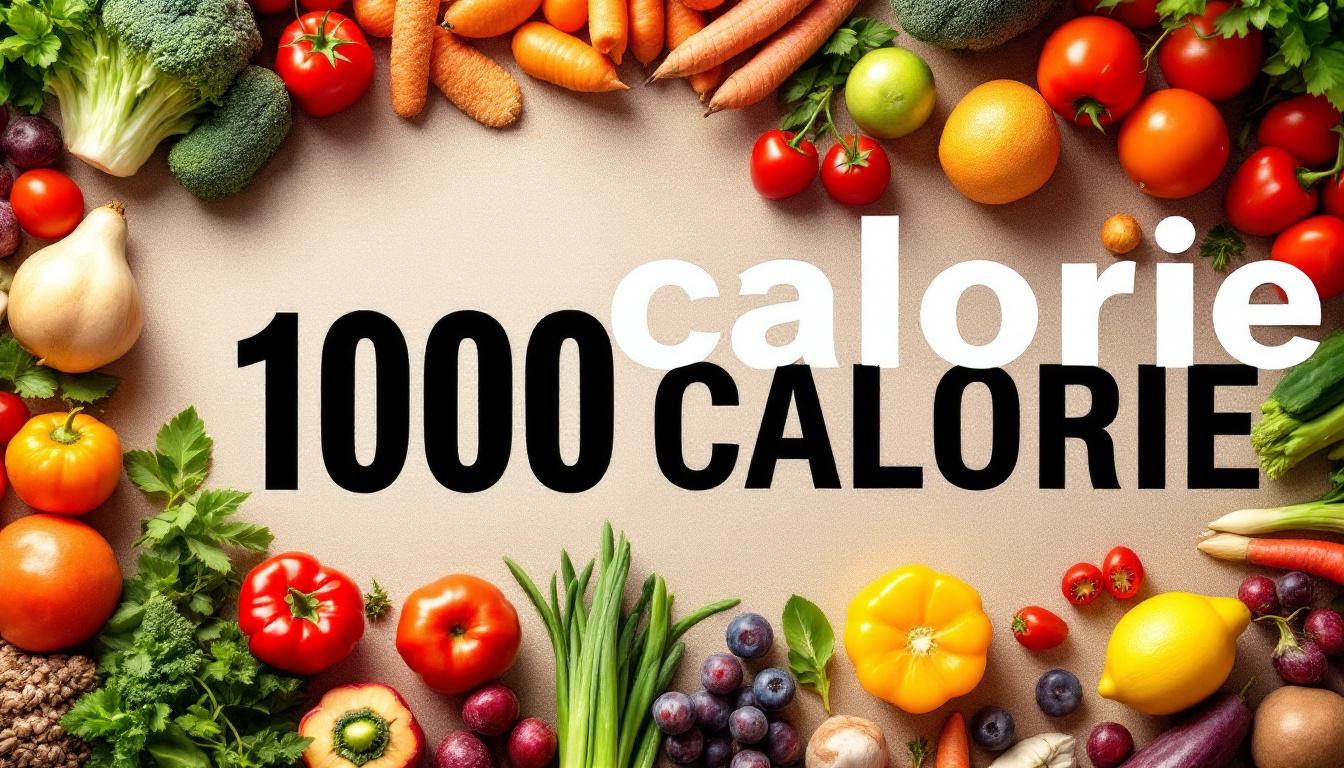
A 1,000 calorie diet drastically cuts daily intake to 1,000 calories or less through severe caloric restriction. Experts consider this approach dangerous because it provides significantly fewer calories than average adults need for optimal health. Medical professionals strongly caution against this extreme dietary measure without professional supervision.
Crash dieting creates severe weight regain risk because rapid weight loss triggers stronger metabolic resistance than gradual loss. Extreme calorie restriction causes muscle, water, and bone density loss when weight loss exceeds 1 to 2 pounds per week. Very low-calorie diets produce rapid weight loss rates of 3 to 5 pounds per week. The diet establishes a calorie deficit where the body uses more calories than it consumes. Careful meal planning must provide 60-80 grams of protein daily to preserve muscle mass. Lean protein sources maintain muscle mass and satiety during severe restriction.
Safe weight loss occurs at 1 to 2 pounds per week for most people through gradual dietary changes and consistent physical activity. Studies show 1,000-calorie dieters experience more regain than those on moderate plans. This guide reveals the health risks of extreme caloric restriction and demonstrates sustainable approaches that preserve metabolic health while achieving lasting weight loss results.
Is a 1,000 Calorie Diet Safe?
A 1,000 calorie diet is considered dangerous by experts because it provides significantly fewer calories than the average adult needs for optimal health and well-being. In fact, such severe caloric restriction falls below the minimum daily energy requirements for most individuals, which means your body simply doesn’t have enough fuel to function optimally. Medical professionals strongly caution against adopting this approach without professional guidance and oversight.
Now, adults can follow a 1,000 calorie diet relatively safely for a couple of weeks without major complications. But here’s the kicker: doctors do not advise extending this restriction beyond this short timeframe. The reason is simple: prolonged adherence to such low caloric intake creates serious health risks and nutritional deficiencies.
Medical supervision is essential when considering a very low calorie diet (VLCD). Your healthcare provider must monitor your progress and evaluate your nutritional status. In fact, most experts do not recommend using a VLCD for more than 12 weeks, even under professional care.
Quick weight-loss plans have minimal scientific support and often backfire. Why does this happen? Individuals who lose weight rapidly through extreme caloric restriction frequently regain all the weight they lost. What’s more, many people end up weighing more after the diet ends than before they started.
What Are the Dangers of Crash Dieting?
Crash dieting creates severe weight regain risk because rapid weight loss triggers stronger metabolic resistance than gradual weight loss does. This means people who lose weight very quickly are much more likely to regain the weight over time compared to individuals who lose weight slowly through sustainable diet changes. This metabolic backlash undermines long-term success.
Rapid weight loss functions as a major physiological stressor on the body. In fact, the hormonal response to this acute weight loss is much stronger than the body’s response to gradual weight reduction. These intense hormonal fluctuations disturb metabolic regulation and appetite control mechanisms.
The hormonal response from crash dieting explains why weight loss plateaus develop and why rapid weight regain occurs after the diet ends. Why does this matter? Hormonal adaptations slow metabolic rate and increase hunger signals when normal eating resumes. This biological backlash makes weight maintenance extremely difficult without continued restriction.
What Health Risks Come With Extreme Calorie Restriction?
Extreme calorie restriction causes muscle, water, and bone density loss when weight loss exceeds 1 or 2 pounds per week. Most people cannot safely sustain such rapid weight loss without compromising lean tissue and skeletal integrity. This is why medical professionals recommend gradual calorie reduction to preserve metabolic health and body composition.
Very low-calorie diets trigger multiple digestive complications. For example, gallstones, constipation, diarrhea, and nausea emerge as common side effects during rapid weight loss. The gastrointestinal system struggles to adapt when caloric intake drops dramatically.
A 1,000 calorie diet creates metabolic stress that increases disease risk. In fact, gallstones and gout develop as secondary complications of extreme caloric deficit. These painful conditions require medical intervention and may persist long after normal eating resumes.
Extreme calorie restriction depletes energy reserves needed for daily function. As a result, fatigue becomes a persistent side effect that impairs work performance, exercise capacity, and quality of life. The body cannot maintain optimal energy production without adequate fuel.
What’s the Safe Way to Lose Weight?
Safe weight loss occurs at a rate of 1 to 2 pounds (0.5 to 1 kilogram) per week for most people. Faster weight loss strategies often result in muscle loss, nutritional deficiencies, and metabolic slowdown. By comparison, gradual weight reduction allows the body to adapt while preserving lean tissue and supporting overall health.
The safest approach to sustainable weight loss involves developing small healthy habits and losing weight slowly over time. This means gradual dietary changes and consistent physical activity create lasting behavioral shifts. These modifications become part of daily life rather than temporary restrictions.
People who lose weight slowly through moderate diet changes and regular physical activity maintain their results better than those using drastic measures. The reason is simple: the body adjusts to new routines when change happens incrementally. Long-term weight stability depends on sustainable behavioral patterns rather than rapid transformation.
Reaching a moderate weight gradually with a balanced, maintainable diet produces better long-term outcomes than aggressive approaches. Here’s why that matters: a person’s ability to follow a plan consistently determines success. Diets that restrict food groups or calories severely become unsustainable and lead to regain.
What Is a 1,000 Calorie Diet?
A 1,000 calorie diet plan is an eating strategy that drastically cuts the number of calories an individual consumes each day to 1,000 calories or less. This extreme dietary approach represents a significant departure from typical daily caloric recommendations for most adults. The diet aims to produce rapid changes in body composition through severe caloric restriction.
This dietary approach creates a significant calorie deficit by capping daily caloric intake at 1,000 calories or less. The substantial deficit forces the body to mobilize stored fat reserves as fuel. In other words, metabolic demands exceed caloric intake, triggering increased fat oxidation for energy production.
People may turn to 1,000 calorie diets when they are desperate to lose weight quickly, such as before a vacation. Time-sensitive weight loss goals drive individuals toward extreme dietary measures. The promise of rapid results appeals to those facing upcoming social events or deadline-driven situations.
How Does It Work and Why?
A 1,000 calorie diet creates weight loss by establishing a calorie deficit, where the body uses more calories than it consumes through daily intake. This metabolic imbalance forces the body to tap into stored energy reserves. Weight loss accelerates when energy expenditure consistently exceeds caloric intake over time.
Achieving a 1,000 calorie daily limit requires careful meal planning and precise portion control. Each meal must be structured to fit within the calorie allocation while maximizing nutritional density. This strategic planning prevents exceeding the daily limit and ensures consistent adherence to the dietary protocol.
Nutrient-dense foods remain essential despite the calorie constraint. In fact, the diet emphasizes foods rich in vitamins, minerals, and other vital nutrients that support bodily functions. This nutritional focus prevents deficiencies while maintaining the reduced calorie target throughout the dietary period.
Calorie restriction triggers fat utilization as the body’s primary energy source. The deficit signals the metabolism to mobilize stored fat reserves for fuel. This process accelerates fat burn and reduces overall body fat composition as the body compensates for insufficient caloric intake.
How Does It Compare to Your Daily Calorie Needs?
A 1,000 calorie diet is considered dangerous by experts because it provides significantly fewer calories than the average adult needs for health and well-being. Most nutritional guidelines recommend higher daily intake for sustainable metabolic function and physical performance.
Low-calorie diets establish gender-specific allowances to accommodate different metabolic requirements. For example, women typically consume 1,000 to 1,200 calories daily, while men follow 1,200 to 1,600 calories per day. These ranges reflect physiological differences in baseline energy expenditure.
Very low-calorie diets represent the most restrictive category, allowing as few as 800 calories per day. The threshold drops below standard low-calorie recommendations, creating significant metabolic stress. At this intensity level, medical supervision becomes essential.
Will a 1,000 Calorie Diet Help You Lose Weight?
A 1,000 calorie diet can promote weight loss through significant caloric restriction below typical daily energy needs. Research demonstrates that such restrictive eating patterns create the metabolic conditions necessary for body weight reduction. The approach works by establishing a substantial gap between energy consumed and energy expended.
A study examining 125 females with obesity revealed that participants following a 1,000 calorie regimen lost more weight than those consuming 1,500 calories daily. The comparison demonstrates dose-dependent outcomes in caloric restriction. In other words, greater caloric deficits produce more substantial weight loss results within the study population.
The 1,000 calorie diet facilitates rapid weight loss by creating a significant calorie deficit between intake and expenditure. The body accesses stored energy reserves to compensate for the restriction. This metabolic process results in measurable reductions in body weight over time.
How Fast Will You See Results?
Very low-calorie diets produce rapid weight loss rates of 3 to 5 pounds (1.5 to 2 kilograms) per week. This accelerated pace occurs because extreme caloric deficits force the body to mobilize stored energy at an unprecedented rate. In fact, initial results typically manifest within the first seven days of adherence to this restrictive approach.
A 1,000 calorie diet delivers quick results through rapid weight loss mechanisms. The dietary approach creates such a severe caloric deficit that the body accesses fat reserves immediately. This means individuals following this strategy observe measurable changes on the scale within days rather than weeks.
But here’s the catch: calorie restriction triggers hormonal adaptations that slow weight loss progression over time. Why does this happen? The body’s metabolic response includes reduced thyroid hormone production and increased cortisol levels. These physiological shifts explain why initial rapid weight loss eventually plateaus despite continued dietary adherence.
What Outcomes Can You Actually Expect?
A 1,000 calorie diet carries significant weight regain risk compared to more moderate calorie restriction approaches. Research studies demonstrate that individuals following a 1,000 calorie regimen experience substantially more weight regain than those following a 1,500 calorie plan. This pattern suggests that extremely low calorie intake may not support sustainable long-term weight management outcomes.
Rapid weight loss triggers rebound weight gain in most people who achieve quick results. The body adapts to sudden caloric restriction, creating metabolic and psychological pressures that drive weight recovery. What’s more, these fluctuations in body weight also expose individuals to additional health complications beyond simple weight cycling.
Very low-calorie diets compromise body composition by eliminating muscle tissue, water reserves, and bone density alongside fat loss. The body prioritizes immediate energy needs during extreme caloric restriction. This selective loss of lean mass and structural integrity creates long-term metabolic disadvantages that persist after weight regain occurs.
For individuals with obesity, rapid weight loss does produce measurable health improvements in diabetes management, cholesterol levels, and blood pressure control. These cardiovascular and metabolic benefits emerge quickly when excess weight declines significantly. However, these gains remain vulnerable to reversal if weight returns through unsustainable dieting methods.
What Should You Eat on a 1,000 Calorie Diet?
A 1,000 calorie diet requires careful meal planning to provide 60 to 80 grams of protein daily. Adequate protein intake preserves muscle mass during severe caloric restriction. This means nutrient-dense foods become essential when calories are this limited, as every food choice must deliver maximum nutritional value.
Meal replacements like formulas, soups, shakes, and bars dominate most very low calorie diets. These products ensure consistent nutrient delivery and simplify portion control. In fact, the standardized composition of meal replacements removes guesswork from daily nutrition.
Sample meal plans distribute eating across breakfast, lunch, dinner, and snacks throughout the day. Regular spacing of meals prevents excessive hunger and stabilizes energy levels. This structured meal timing makes adherence to strict caloric limits more manageable.
Which Foods Should You Include?
A 1,000 calorie diet requires lean protein sources to maintain muscle mass and satiety throughout the day. Chicken breast (3–5 oz), turkey, eggs, fish, salmon, low-fat cottage cheese, and Greek yogurt provide essential amino acids with minimal fat content. These proteins support metabolic function while keeping calorie counts manageable for daily energy balance.
Whole grain options form the carbohydrate foundation of a 1,000 calorie diet. Include whole wheat bread, whole wheat pasta, brown rice, oatmeal, and high-fiber cereal in controlled portions. These complex carbohydrates stabilize blood sugar levels and provide sustained energy throughout the day.
Vegetable selections deliver nutrients and fiber with minimal caloric impact on your daily intake. For example, green beans, broccoli, cauliflower, romaine lettuce, spinach, carrots, and tomatoes provide vitamins and minerals. Consume these vegetables in 1/2 to 1 cup (120–240 milliliters) servings to maximize nutritional density.
Fruit portions add natural sweetness and micronutrients while respecting caloric limits. Berries, peaches, grapes, melon, and small portions of banana fit within the diet structure. Limit servings to 1/4 to 1/2 cup (60–120 milliliters) to maintain appropriate calorie distribution across meals.
Which Foods Should You Avoid?
A 1,000 calorie diet requires strict limitations on high-calorie fat additions to maintain the caloric ceiling. Restrict fats to 1 teaspoon (5 ml) portions of olive oil, butter, or margarine per meal. Light mayonnaise replaces regular mayonnaise as the preferred condiment choice. These minimal fat servings preserve calories for nutrient-dense foods.
Full-fat dairy products exceed caloric allowances on a 1,000 calorie diet plan. Low-fat or fat-free milk, yogurt, and cheese provide essential calcium and protein without excess calories. This substitution maintains nutritional adequacy while supporting weight loss goals.
Large portions sabotage caloric compliance on restricted diets. Starches measure 1/3 to 1/2 cup (80 to 120 ml) per serving, while protein portions range from 3 to 5 ounces (85 to 140 grams). Precise measurements ensure meals align with daily caloric targets.
Ready for a Personalized Weight Loss Plan?
Stop guessing your way through weight loss and get the exact blueprint that works. Our Independent OPTAVIA Coaches have helped thousands of people achieve sustainable results without extreme restriction or rebound weight gain. You deserve a plan that fits your life, not one that leaves you exhausted and frustrated.
The Optimal Weight Plan removes the guesswork with step-by-step guidance, proven meal strategies, and ongoing support from certified coaches who understand exactly what you’re going through. This isn’t another crash diet, it’s a complete lifestyle transformation designed for real people with real goals.
Don’t waste another week on plans that don’t work. Get your personalized Optimal Weight Plan today and start seeing the sustainable progress you’ve been searching for.